

Aamir Abbasi
Editor, Islamabad
Aamir; a journalist with 15 years of experience, working in Newspaper, TV and Digital Media. Worked in Field, covered Big Legal Constitutional and Political Events in Pakistan since 2009 with Pakistan’s Top Media Organizations. Graduate of Quaid I Azam University Islamabad.
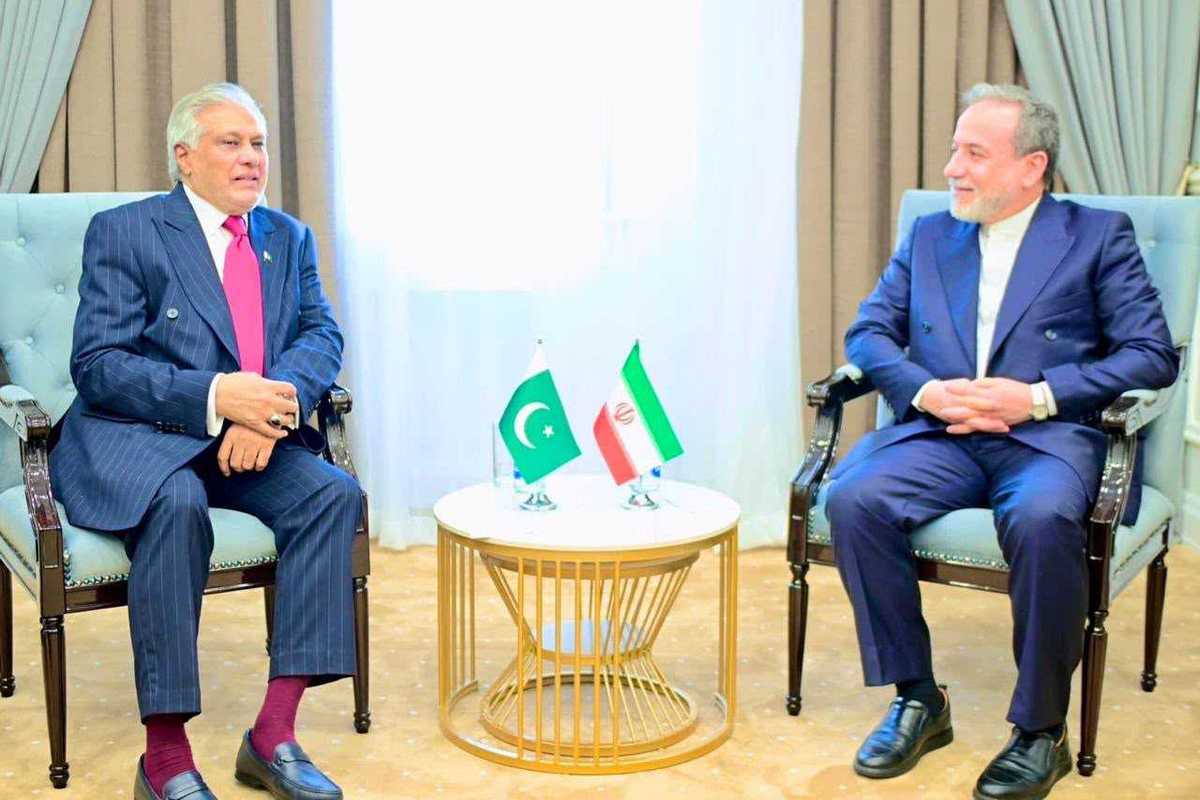
Foreign Minister Ishaq Dar met his Iranian counterpart Abbas Araghchi on the sidelines of the Shanghai Cooperation Organization's Council of Foreign Ministers meeting in Cholpon-Ata, Kyrgyzstan.
MoFA
Pakistan and Iran reaffirmed their commitment to close bilateral ties on Friday, calling for dialogue and de-escalation as tensions rise between Iran and the United States. Foreign Minister Ishaq Dar met his Iranian counterpart Abbas Araghchi on the sidelines of the Shanghai Cooperation Organization's Council of Foreign Ministers meeting in Cholpon-Ata, Kyrgyzstan.
What did Pakistan and Iran agree on during the meeting?
The two ministers reviewed the region's security situation and agreed to build on understandings reached under the Islamabad Memorandum of Understanding, signed in June 2026. Dar urged restraint and sustained diplomatic engagement from all sides, while Araghchi thanked Pakistan for its continued diplomatic support and mediation role.
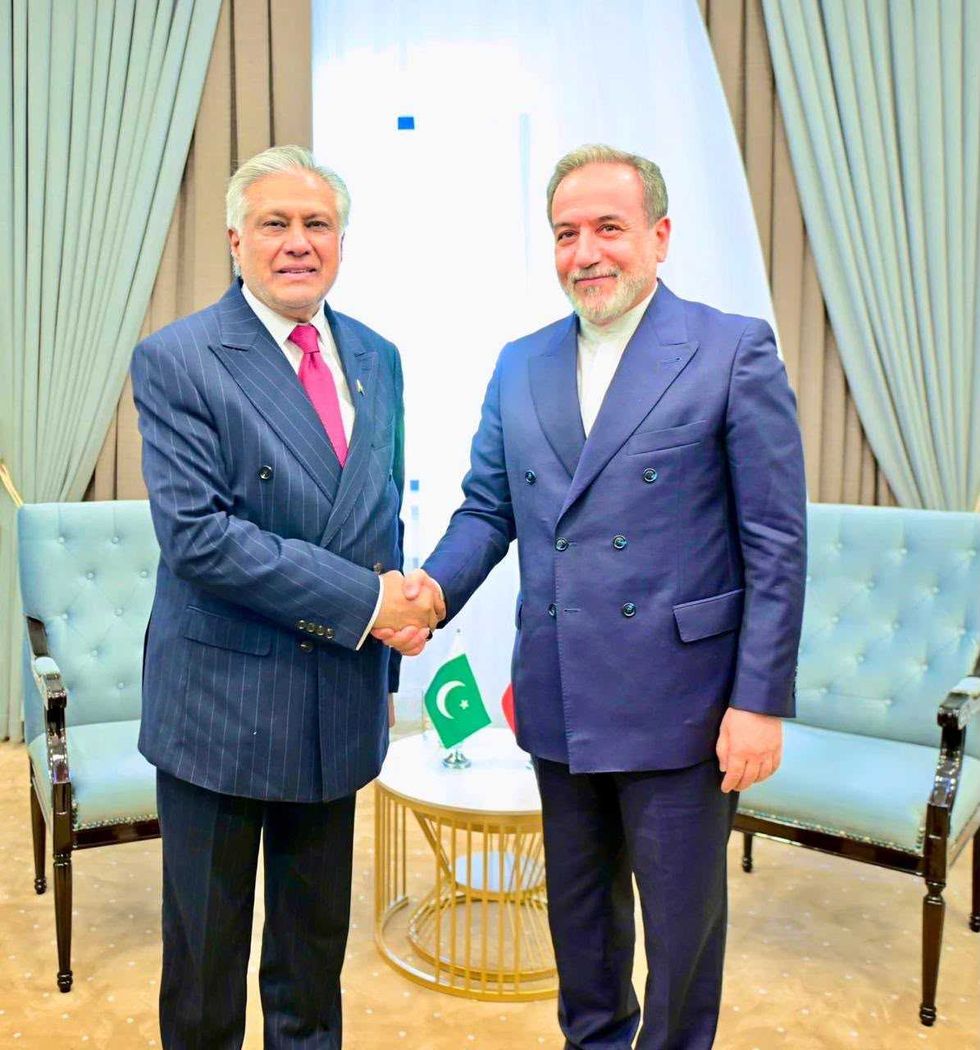 Foreign Minister Ishaq Dar met his Iranian counterpart Abbas Araghchi on the sidelines of the Shanghai Cooperation Organization's Council of Foreign Ministers meeting in Cholpon-Ata, Kyrgyzstan.MoFA
Both sides also agreed to maintain close coordination and hold regular consultations on issues of shared interest going forward. They reaffirmed their commitment to working together for regional peace, stability and shared prosperity.
How is Pakistan helping Iranian fishermen return home?
Araghchi thanked Pakistan for facilitating the safe return of Iranian fishermen and crew members, including those from vessels intercepted by the United States. Pakistan coordinated with Iranian, American and other relevant authorities to ensure the crews' safe transit through Pakistani territory.
This cooperation came alongside the broader diplomatic talks and reflected Pakistan's continued role as a bridge between Tehran and Washington. Dar reiterated Pakistan's willingness to support de-escalation efforts through similar practical measures.
Why did Iran warn against helping US military operations?
The meeting took place hours after Iran cautioned other countries against assisting American military operations against the Islamic Republic. Araghchi said any nation that helped Washington could face legal accountability under international law.
Speaking in Kyrgyzstan, Araghchi said Tehran had recorded fresh casualties from overnight US strikes and claimed retaliatory drone attacks had hit American military facilities in Bahrain and Jordan. He added that Iran reserved the right to take all necessary measures within the framework of self-defense.
Iran has repeatedly said that any regional military facility used by US forces to launch attacks against it would be treated as a legitimate target for retaliation. This stance has kept regional governments, including Pakistan, watching closely for signs of further escalation.




Comments
See what people are discussing