

Pakistan emerges as key mediator in US-Iran peace deal
Pakistan emerges as a key mediator in the US-Iran peace deal, with officials and analysts citing major diplomatic and economic gains for Islamabad.
Aamir Abbasi
Editor, Islamabad
Aamir; a journalist with 15 years of experience, working in Newspaper, TV and Digital Media. Worked in Field, covered Big Legal Constitutional and Political Events in Pakistan since 2009 with Pakistan’s Top Media Organizations. Graduate of Quaid I Azam University Islamabad.
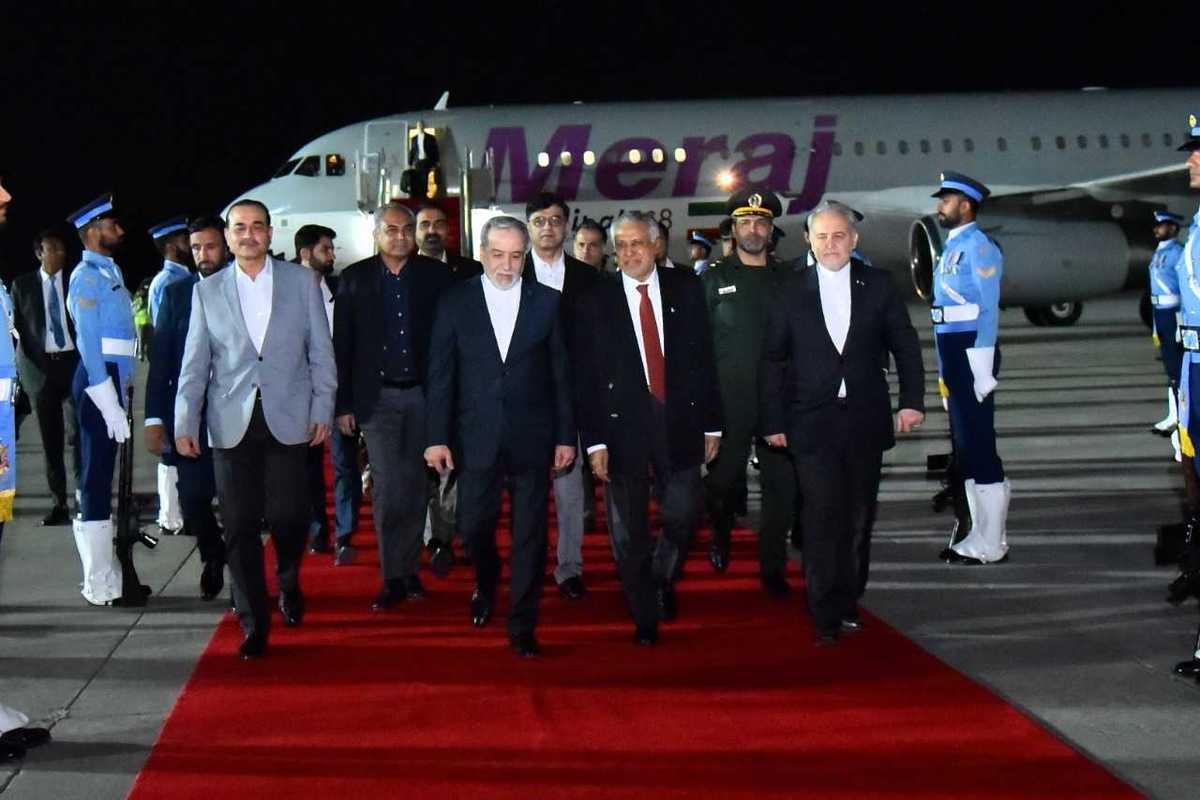
Pakistan has emerged as a key mediator in the U.S.-Iran peace deal, with officials confirming Islamabad helped broker the agreement set for signing in Switzerland on Friday. The deal aims to end months of conflict between Washington and Tehran that began after U.S. and Israeli strikes on Iran on Feb. 28.
How did Pakistan become a key mediator between the U.S. and Iran?
Pakistan publicly urged restraint and dialogue while engaging quietly with both Washington and Tehran. Officials say Islamabad held extensive consultations with Saudi Arabia, Turkey and Egypt, secured support from China, and worked with Qatar to bring both sides together. Those efforts led to direct U.S.-Iran talks, with delegations from both countries meeting in Islamabad.
The conflict erupted after U.S. and Israeli strikes on Iran on Feb. 28 set off a cycle of retaliatory attacks across the region. The escalating hostilities raised fears of a wider regional war, pushed up global oil prices and deepened economic uncertainty worldwide.
Throughout the crisis, Pakistan avoided public declarations that could complicate the process and worked instead through quiet diplomatic channels. Officials say this discreet approach, rather than public statements, was central to preventing further escalation.
What benefits has Pakistan gained from its mediator role?
International affairs expert Dr. Hassan Al-Arabi called Pakistan's decision to mediate "courageous and strategically significant." He said Islamabad has already secured numerous benefits from its role in ending the conflict and is likely to gain more in the future.
Al-Arabi said Pakistan has built a level of diplomatic soft power that many countries spend years and significant resources trying to achieve. He added that Islamabad has moved beyond its traditional regional role and is increasingly viewed as a global diplomatic actor and a potential security guarantor in the Middle East.
Security and international affairs analyst Dr. Maria Sultan said the mediation effort has secured Pakistan a more enduring role in regional affairs. Through a calibrated diplomatic strategy, she said, Islamabad has expanded its influence beyond South Asia and established itself as a relevant player in the Middle East.
Analysts say the initiative could strengthen Pakistan's role in regional security and economic cooperation, improve its access to key maritime and energy corridors, and position it as a bridge between the United States and China. They also cite growing diplomatic prestige as a major gain from the process.
Sultan said the agreement could accelerate Pakistan's shift from a security-focused state to an emerging economic power. She said the successful facilitation of one of the most complex international crises in recent history has strengthened Pakistan's diplomatic standing and could open the door to expanded regional and global influence.
Who led Pakistan's diplomatic effort in the U.S.-Iran talks?
Security officials credited Pakistan's civilian and military leadership for the diplomatic initiative, naming Prime Minister Shehbaz Sharif, Deputy Prime Minister and Foreign Minister Ishaq Dar, and Field Marshal Syed Asim Munir among those who contributed.
The officials said the negotiations required careful, discreet engagement, arguing that Pakistan does not believe in "headline diplomacy" and that confidentiality was central to the mediation's success. "Pakistan and the Field Marshal have achieved a victory without fighting a war," the sources said, adding that the effort was driven by a commitment to regional peace rather than political or economic gain.
The sources said an expanding Middle East conflict risked becoming not only an economic crisis but "a matter of life and death" for millions of people. They warned that continued escalation could have drawn additional countries into the war.
Officials also credited several Muslim nations for supporting the diplomatic effort, saying the prime minister personally thanked leaders who contributed. Saudi Arabia, Turkey, Qatar and other friendly countries reportedly offered Pakistan their confidence and cooperation during the process. While welcoming the agreement as a positive step for global peace, officials said many details of the understanding remain confidential.
What other issues did Pakistani officials address?
Separately, officials reiterated Pakistan's preference for resolving outstanding issues with Afghanistan through dialogue and negotiation. They also provided an update on domestic counterterrorism operations.
Pakistan conducted 32,092 intelligence-based operations nationwide between Jan. 1 and June 15, 2026, officials said. Of those, 5,710 took place in Khyber Pakhtunkhwa and 24,718 in Balochistan. The same period saw 1,402 terrorist incidents reported in Khyber Pakhtunkhwa and 748 in Balochistan.
Security forces killed 1,861 militants during intelligence-based operations in this period. Terrorism-related incidents resulted in 640 deaths among security personnel and civilians, described by officials as martyrdoms.
What is happening in Pakistan-administered Kashmir?
Security sources alleged that protests over flour prices, electricity tariffs and public rights in Azad Jammu and Kashmir had been exploited by groups pursuing a wider political agenda. They maintained that Pakistan's democratic system encourages dialogue and said democratic institutions in the territory remain strong.
Officials further claimed that road blockades had been organized by disruptive elements rather than state authorities, accusing some groups of taking up arms against the state. They said authorities were aware of attempts to destabilize the region.
Security officials expressed confidence that residents of Azad Kashmir increasingly recognize the realities behind the recent unrest. They reiterated that the state remains committed to maintaining peace and stability through lawful, democratic means.



Comments
See what people are discussing