

Pakistan military rejects Afghan Taliban claims, defends cross-border strikes
Military accuses Afghanistan's Taliban of sheltering militant groups, rejects civilian casualty claims and warns the policy was backfiring on Kabul internationally
Aamir Abbasi
Editor, Islamabad
Aamir; a journalist with 15 years of experience, working in Newspaper, TV and Digital Media. Worked in Field, covered Big Legal Constitutional and Political Events in Pakistan since 2009 with Pakistan’s Top Media Organizations. Graduate of Quaid I Azam University Islamabad.
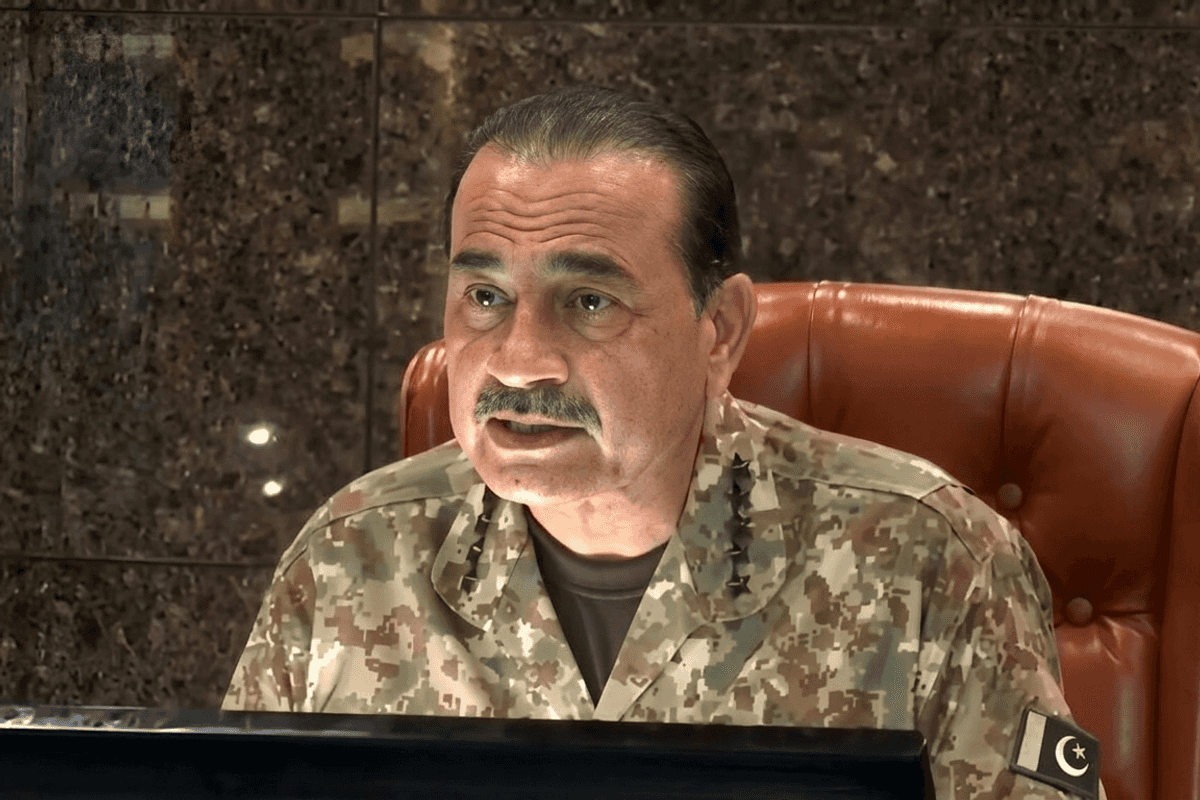
In closing remarks, Field Marshal Asim Munir directed commanders to maintain vigilance, operational readiness and adaptability against evolving threats, emphasizing professional excellence and proactive responses.
Screenshot
Pakistan's top military leadership accused Afghanistan's Taliban authorities on Tuesday of providing safe havens to militant groups, warning that such policies were backfiring and exposing the Kabul regime internationally.
The remarks came at the 275th Corps Commanders' Conference, chaired by Chief of Army Staff Field Marshal Syed Asim Munir at General Headquarters in Rawalpindi.
Why did Pakistan's military reject the Afghan Taliban's claims?
Pakistan's military rejected Afghan Taliban allegations that its forces had targeted civilians inside Afghanistan, calling the claims baseless and part of a coordinated disinformation campaign.
Military leaders said their cross-border actions were defensive, precise and directed only at infiltrators, militant hideouts and support infrastructure, not civilian populations.
What did the Corps Commanders' Conference discuss?
The forum paid tribute to members of the armed forces, law enforcement agencies and civilians who lost their lives, describing their sacrifices as central to Pakistan's national security and resilience.
Military leaders expressed satisfaction over operational preparedness, professionalism and combat readiness. They praised commanders for ongoing intelligence-based counterterrorism operations across the country.
Participants resolved to maintain the current operational tempo to dismantle militant networks, disrupt support systems and deny them operational space within Pakistan.
The conference reviewed progress under Operation Ghazb lil Haq and noted what it described as continued degradation of militants and their infrastructure.
What did Pakistan say about Afghan Taliban safe havens for militants?
The forum criticized what it termed the Afghan Taliban regime's policy of providing safe havens to "Khawarij and other terrorist organizations," saying it was backfiring and exposing Kabul authorities internationally. Khawarij is the term Pakistan's military uses to describe Tehreek-e-Taliban Pakistan (TTP) militants.
The military's statement signaled deepening frustration over what Islamabad views as Kabul's failure to act against groups operating from Afghan soil.
What did Pakistan's military say about regional tensions?
Discussing the broader regional environment, the forum said evolving geopolitical developments carry implications for stability. It stressed restraint, respect for sovereignty and the need to avoid escalation.
The conference also condemned what it described as ongoing atrocities, extrajudicial killings and demographic changes in Indian-administered Kashmir, reiterating Pakistan's diplomatic, political and moral support for Kashmiris.
Participants congratulated the nation and the armed forces on the first anniversary of Marka-e-Haq, describing it as a defining moment of national unity and resolve to defend sovereignty.
In closing remarks, Munir directed commanders to maintain vigilance, operational readiness and adaptability against evolving threats, emphasizing professional excellence and proactive responses.



Comments
See what people are discussing