

Pakistan says anti-terror gains grow as Iran-US diplomacy moves through Islamabad
Kamran Khan says falling militant attacks and Pakistan’s mediation role mark key regional developments

News Desk
The News Desk provides timely and factual coverage of national and international events, with an emphasis on accuracy and clarity.
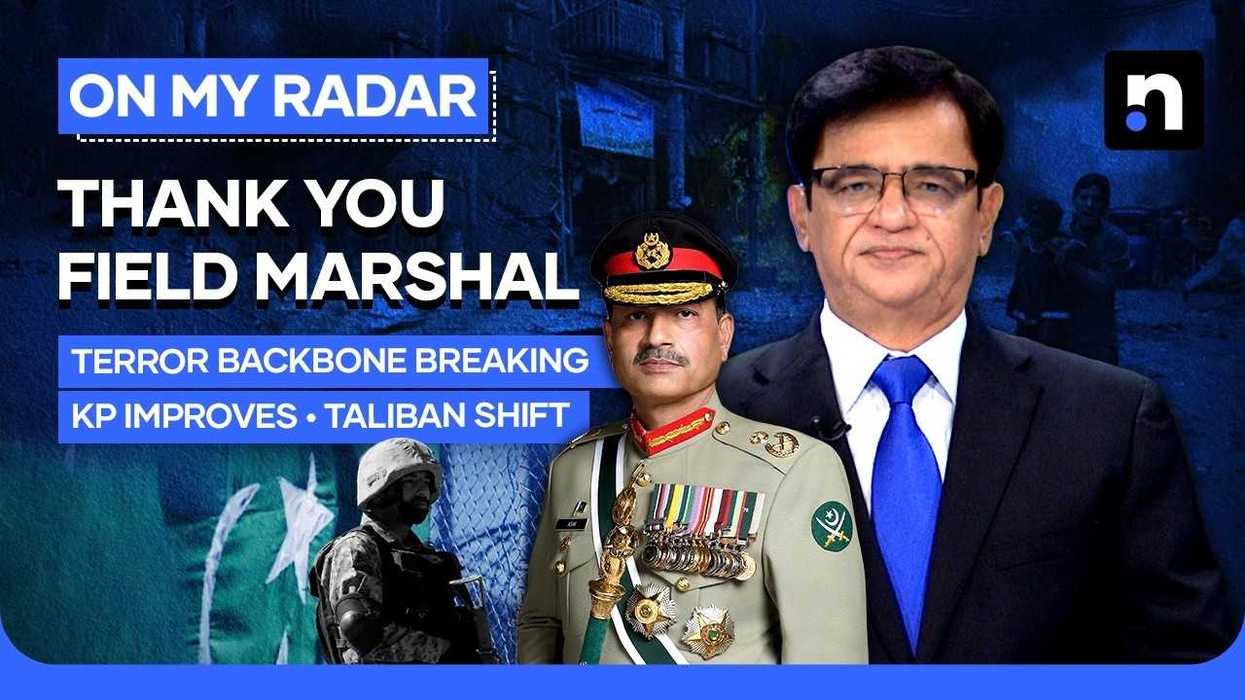
Militant violence in Pakistan had sharply declined following a major military crackdown, while Islamabad was also emerging as a key intermediary in ongoing diplomacy between Iran and the United States, Kamran Khan said on Friday.
Speaking on his television program “On My Radar,” Khan described the recent security trends as “a very reassuring development” for Pakistan, crediting the military and Field Marshal Asim Munir for what he called decisive gains against militancy.
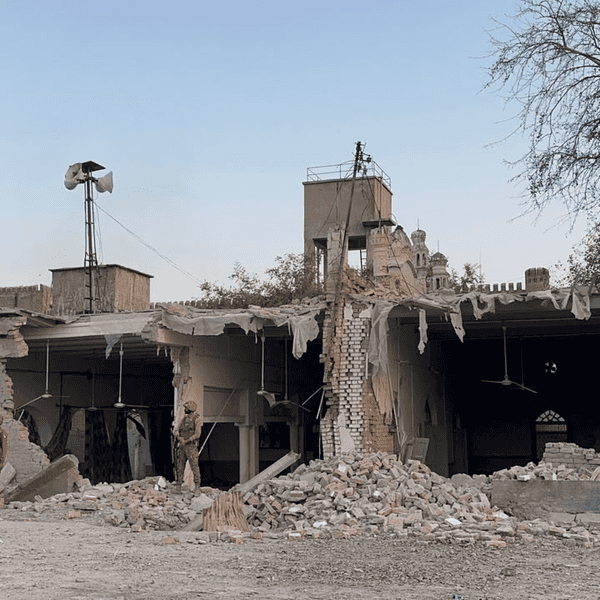
Khan said the latest development came after Pakistani security forces killed 13 militants near the Pakistan-Afghanistan border in Khyber Pakhtunkhwa province, calling it part of the wider “Ghazzab Lil Haq” operation launched in late February.
“The operation has, by the grace of God, broken the back of terrorists,” Khan said.
According to figures cited on the program, militant attacks in the first week of April fell by 50% compared with the last week of March. Nationwide attacks dropped from 33 incidents in the final week of March to 16 at the start of April.
Khan cited a report by the Pakistan Institute for Conflict and Security Studies saying deaths linked to militancy fell 35% in March compared with February. Fatalities in Balochistan declined 79%, while Khyber Pakhtunkhwa recorded a 42% drop.
He said the improvement was largely the result of intelligence-based operations carried out by security forces.
In April alone, Pakistani forces killed 82 militants in intelligence-based operations across Khyber Pakhtunkhwa and Balochistan, with most of the deaths occurring in border regions of Khyber Pakhtunkhwa, he said.
However, Khan noted that security threats persisted in Balochistan, pointing to the April 22 attack on a mining project site in Chagai district that killed 10 people, including a Turkish national.
“Mineral-rich Balochistan has long been the target of global conspiracies, and such attacks remain a serious threat,” he said.
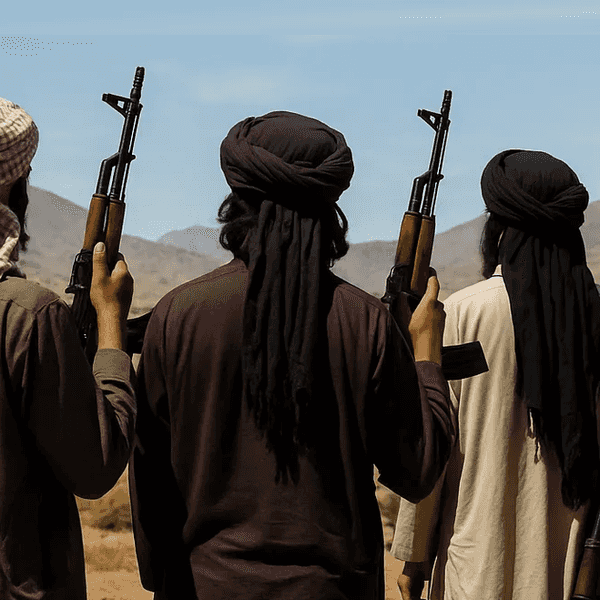
Khan also pointed to what he described as a shift in the Afghan Taliban’s approach toward the outlawed Tehreek-e-Taliban Pakistan, or TTP.
Pakistan has long accused Afghanistan of allowing its territory to be used as a sanctuary for TTP militants, allegations Afghan authorities have repeatedly denied.
But Khan said reports now suggested Kabul was preparing a broader crackdown. Citing Afghan Taliban and TTP sources, he said senior Afghan officials recently ordered the arrest of TTP members and undocumented migrants inside Afghanistan.
He added that some TTP members and their families had already been detained and relocated to Afghanistan’s interior regions.
The developments followed recent Pakistani strikes targeting militant hideouts inside Afghan territory, he said. Pakistan’s Information Ministry has said that by early April, the operation had killed 800 militants and destroyed 286 hideouts.
Analysts have also linked the recent easing of tensions to talks between Pakistan and Afghanistan held in Urumqi with Chinese mediation, Khan said.
The program also focused heavily on ongoing Iran-U.S. diplomacy, with Khan saying negotiations were continuing quietly despite limited public discussion.
CNN and Iranian media confirmed Friday that Iran had sent a new peace proposal to the United States through Pakistan, he said. The draft was reportedly delivered to Pakistani officials Thursday evening.
Pakistan’s Foreign Office said earlier this week that diplomacy was continuing and that Islamabad was acting as a bridge between Tehran and Washington.
Khan said U.S. President Donald Trump had also hinted that the deadlock in negotiations could soon ease. Speaking at the White House, Trump said only a small group of people knew the true state of talks and questioned who ultimately made decisions in Iran’s leadership structure.
Prime Minister Shehbaz Sharif also revealed earlier that Iranian Foreign Minister Abbas Araghchi had assured him before traveling to Russia that Tehran would soon respond after consultations with its leadership.
According to Khan, Trump had previously rejected an Iranian proposal that sought the reopening of the Strait of Hormuz and the lifting of blockades before addressing nuclear negotiations at a later stage.
However, CNN reported Friday that Iran’s latest draft now included responses to U.S. demands regarding Tehran’s nuclear program.
Khan said the proposal had already reached Washington and attention was now turning to the U.S. response.
The program also highlighted Pakistan’s worsening cash-based economy, with Khan saying excessive taxation and weak digital reforms were undermining efforts to document the economy.
State Bank of Pakistan data showed currency in circulation stood near PKR .9 trillion by mid-April, close to record levels despite a slight decline from March. Analysts warned that undocumented cash flows into gold and dollars could increase pressure on the Pakistani rupee and fuel inflation further.



Comments
See what people are discussing