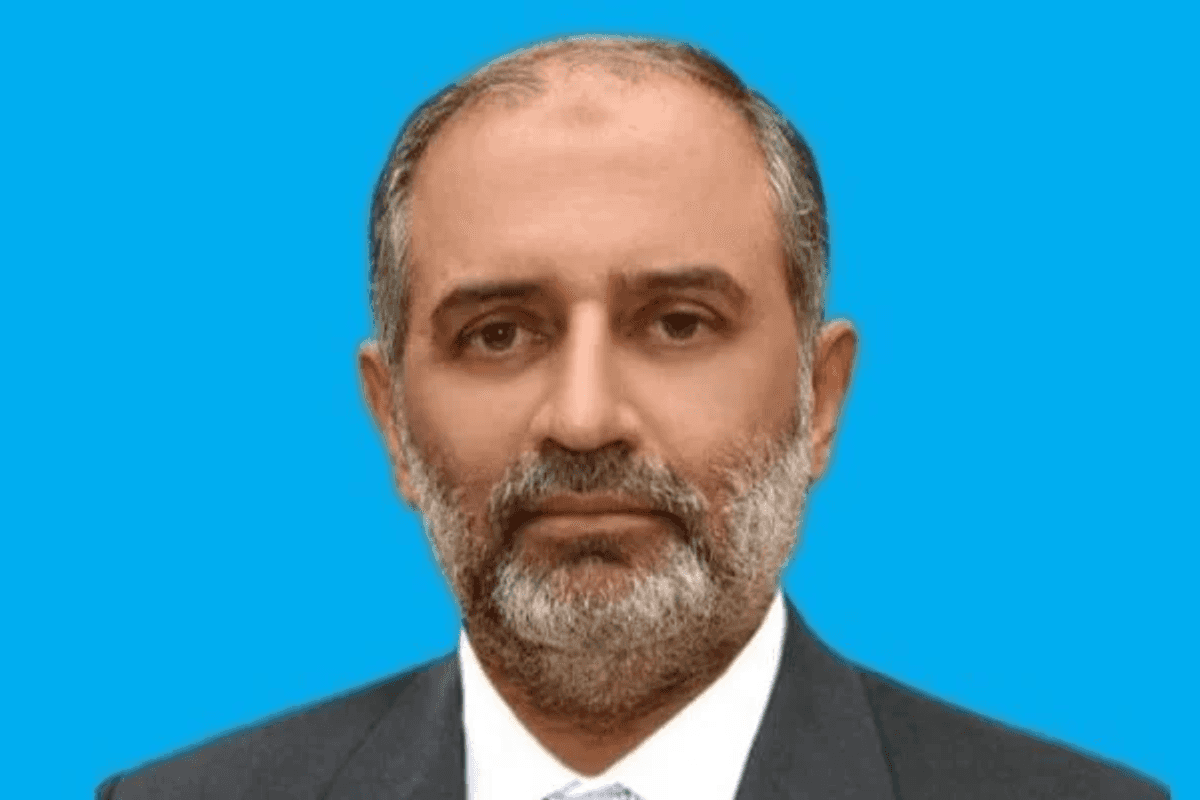
Pakistan has appointed retired Lieutenant General Nauman Mahmood as the first secretary general of the Makkah alliance, the Foreign Office said Wednesday. Mahmood will lead the alliance's Riyadh-based secretariat under the trilateral defense pact signed by Pakistan, Saudi Arabia and Turkey in August. He will serve a three-year term.
Who is Nauman Mahmood?
Nauman Mahmood is a retired Pakistan Army lieutenant general who holds the Hilal-e-Imtiaz (Military) award. The Foreign Office named him head of the Makkah alliance's general secretariat, based in Riyadh, on Wednesday. He is the first official to hold the post and will serve an initial three-year term.
What did the Foreign Office say about the appointment?
The Foreign Office confirmed the appointment in a formal handout. It said the government of Pakistan was pleased to announce Mahmood as the first secretary general pursuant to the Makkah Joint Defense Agreement. The statement added that the secretary general would lead the alliance's general secretariat, which is being established in Riyadh.
The appointment gives Pakistan the first three-year leadership role in the alliance's new institutional structure. It comes as the three member countries move to formalize the pact's day-to-day administration, more than a month after the agreement was signed.
What is the Makkah Joint Defense Agreement?
The Makkah Joint Defense Agreement was signed by Pakistan, Saudi Arabia and Turkey on Aug. 7. It states that an attack against one member will be treated as an attack against all three, establishing a mutual defense commitment among the three countries.
The alliance held its first meeting on Aug. 31 in Istanbul. Officials from the three countries agreed there on the framework for institutionalizing their cooperation, and Pakistan was selected to provide the first secretary general for the Riyadh-based secretariat.
Under the decisions reached in Istanbul, the three countries agreed to deepen cooperation to strengthen solidarity and ensure the credibility of their collective deterrence and defense. They also committed to contributing to regional security and to a just and lasting peace.
Could the alliance expand to other countries?
Turkey has suggested that Egypt could join the alliance, though Cairo has not confirmed any such move. Pakistan Prime Minister Shehbaz Sharif and Deputy Prime Minister and Foreign Minister Ishaq Dar said soon after the pact was signed that it was defensive in nature.
Dar said the agreement was open to any country in the region willing to uphold its fundamental principles. However, Foreign Office spokesperson Sajjad Haider Khan said on Sept. 10 that expansion was not under consideration at that point.
Khan said the three members needed to consolidate the new organization first, before considering whether to open it to other countries with similar security concerns.
What has Pakistan said about the alliance's purpose?
Inter-Services Public Relations Director General Lt. Gen. Ahmed Sharif Chaudhry said last week that the alliance had no regional aspirations and was intended for collective deterrence. His remarks came as the wider U.S.-Iran conflict continued to expand and Yemen's Houthi rebels carried out attacks targeting Saudi Arabia.
Chaudhry said Pakistan would go to any extent to defend Saudi Arabia. He described Islamabad's commitment to the kingdom's security as unconditional.
The agreement also provides for broader defense cooperation between the three countries, including joint activities, technology development and production, and efforts to strengthen the capabilities of their armed forces.






Comments
See what people are discussing