

Pakistan reports recovery in key river flows after sharp mid-December decline
Pakistan says record-low river flows raise tensions, stressing Indus Waters Treaty

Aamir Abbasi
Editor, Islamabad
Aamir; a journalist with 15 years of experience, working in Newspaper, TV and Digital Media. Worked in Field, covered Big Legal Constitutional and Political Events in Pakistan since 2009 with Pakistan’s Top Media Organizations. Graduate of Quaid I Azam University Islamabad.
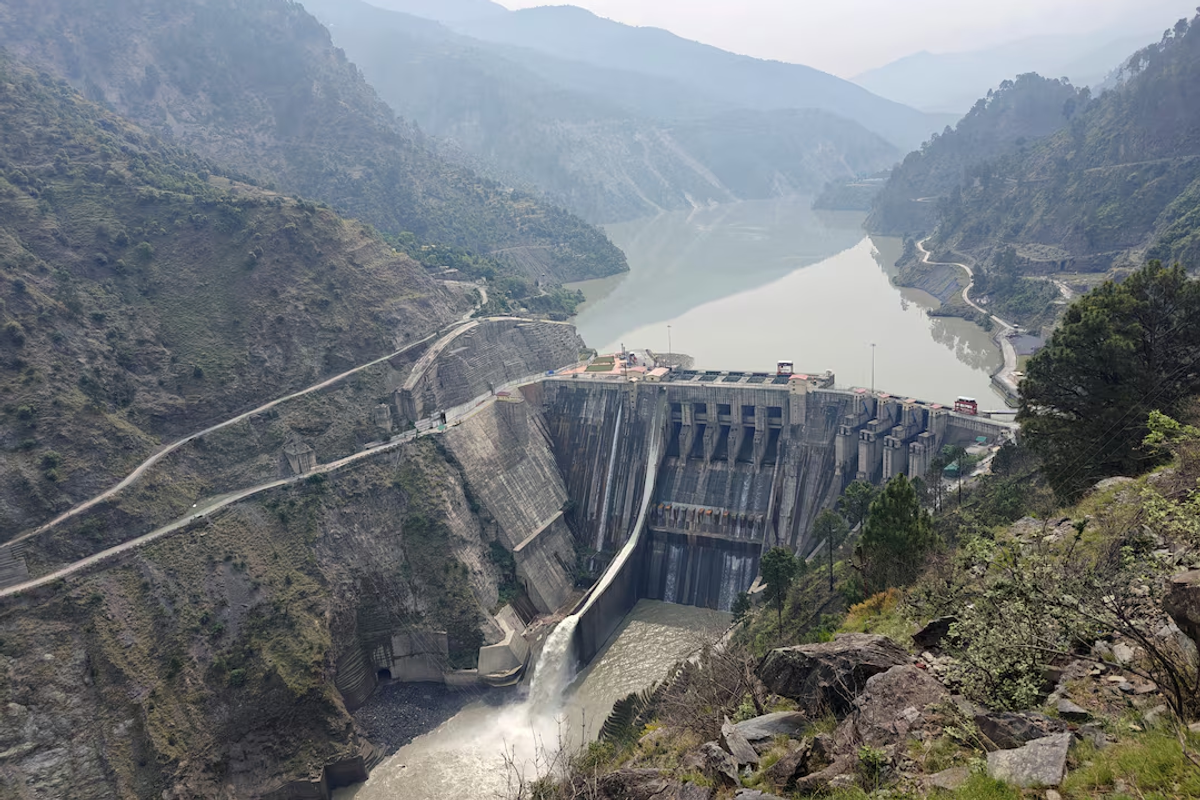
Pakistan on Friday reported that water flows in one of its major rivers, critical for agriculture and power generation, have returned to normal levels following a sharp decline earlier this month that raised concerns over water security.
Authorities said the reduction, which fell far below historical levels, highlighted tensions over upstream water management and underscored the importance of the Indus Waters Treaty, a decades-old water-sharing agreement with India.
Earlier in the day, Deputy Prime Minister and Foreign Minister Ishaq Dar accused India of violating the treaty, calling its actions “the weaponization of water.”
Speaking to the diplomatic corps in Islamabad, Dar said that New Delhi’s unilateral manipulation of river flows threatens regional stability, international law, and the livelihoods of millions of Pakistanis who rely on the river system.
According to the Pakistan Commissioner for Indus Waters, river discharge at the Marala monitoring point of Chenab River dropped to a minimum of 870 cusecs between December 10 and 16. This was significantly below the historical ten-year minimum range of 4,018 to 4,406 cusecs for the same period. Satellite imagery suggested that India’s upstream reservoir, the Baglihar, had been partially emptied and subsequently refilled, causing extreme fluctuations downstream.
Under the Indus Waters Treaty, India is prohibited from depleting the dead storage of run-of-the-river hydropower projects on the western rivers, including this one, without prior notification. Pakistan’s Commissioner for Indus Waters has formally requested detailed data and clarification from India regarding the unusual decline.
Signs of recovery began on December 17, when flows rose to 6,399 cusecs, returning to the historical ten-year range for the first time since the mid-month drop. Data from the Punjab Irrigation Department indicates that as of December 19, river flows are fluctuating within normal seasonal levels, ranging between 4,505 and 6,494 cusecs.
Officials emphasized that monitoring will continue to ensure timely responses to any future fluctuations. The government also cautioned that information from sources outside the Office of the Pakistan Commissioner for Indus Waters should not be considered authoritative.




Comments
See what people are discussing