

Pakistan remittances rise 17% to USD 3.66bn in August
Inflows reached USD 7.29bn in the first two months of FY27, up 15% from a year earlier, with Saudi Arabia remaining the largest source

Haris Zamir
Business Editor
Experience of almost 33 years where started the journey of financial journalism from Business Recorder in 1992. From 2006 onwards attached with Television Media worked at Sun Tv, Dawn Tv, Geo Tv and Dunya Tv. During the period also worked as a stringer for Bloomberg for seven years and Dow Jones for five years. Also wrote articles for several highly acclaimed periodicals like the Newsline, Pakistan Gulf Economist and Money Matters (The News publications)
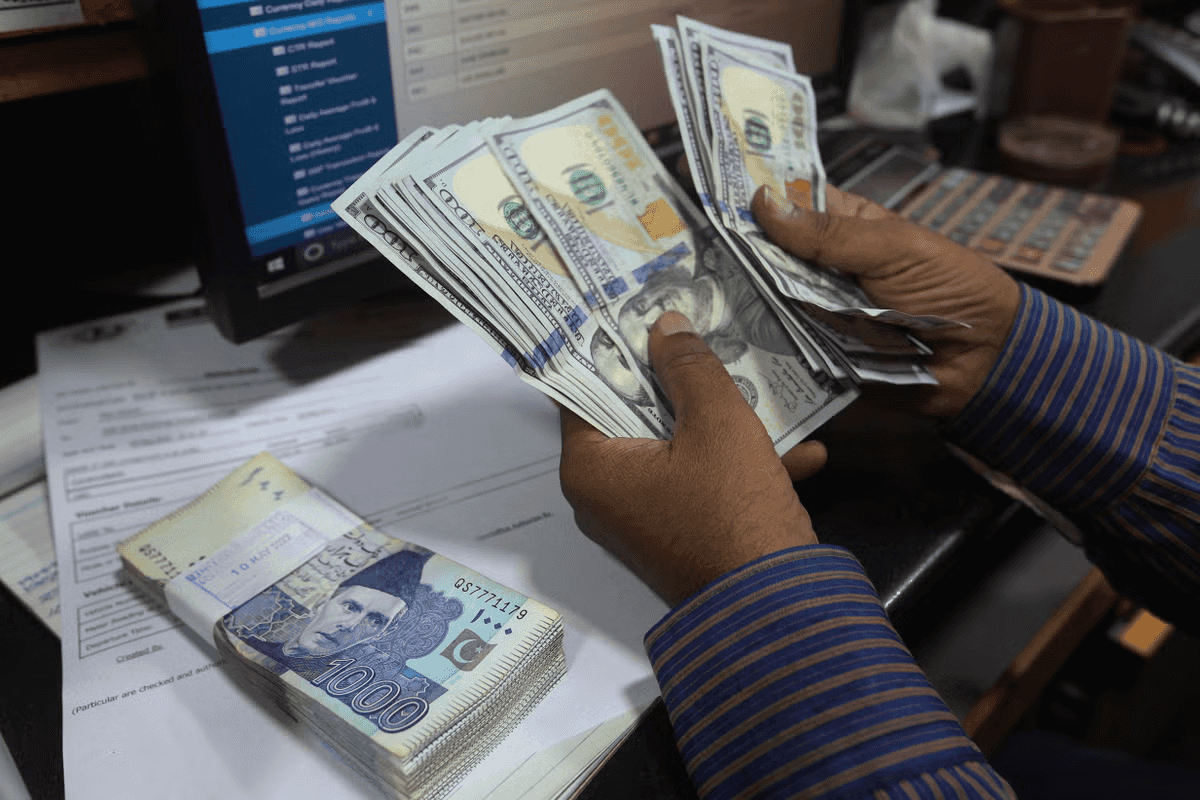
A Pakistani money trader counts US dollars for a customer at a currency exchange office, in Karachi.
Pakistan received USD 3.66 billion in workers' remittances in August 2026, up 17% from USD 3.14 billion a year earlier. Inflows from major overseas employment destinations remained strong, according to data compiled by the State Bank of Pakistan and AKD Securities.
What are remittances in Pakistan?
Remittances are the funds overseas Pakistani workers send home to family and individuals. They rank among Pakistan's largest sources of foreign exchange, helping the country meet its external financing needs and support the balance of payments.
How much did remittances grow in the first two months of FY27?
Remittances rose 1% from USD 3.63 billion in July, marking the second consecutive month of inflows above USD 3.6 billion. Cumulative inflows reached USD 7.29 billion in the first two months of fiscal 2026-27, up 15% from USD 6.35 billion in the same period last year.
Which countries send the most remittances to Pakistan?
Saudi Arabia remained Pakistan's largest source of worker remittances, sending USD 873 million in August, up 19% year over year from USD 737 million. Inflows from Saudi Arabia totalled USD 1.79 billion during July and August, a 15% increase over the same period last year.
The UAE ranked as the second-largest source, with remittances of USD 750 million in August, up 17% from USD 643 million a year earlier. UAE inflows during the first two months of fiscal 2026-27 reached USD 1.49 billion, compared with USD 1.31 billion a year earlier, an increase of 14%.
How did remittances from the UK and US change?
Remittances from the United Kingdom rose 22% year over year to USD 564 million in August, up from USD 463 million. UK-based inflows totalled USD 1.12 billion in the first two months of the fiscal year, up 22% from USD 914 million.
Inflows from the United States increased 16% to USD 309 million in August from USD 267 million. The two-month total rose 16% to USD 625 million from USD 537 million.
What about the EU, GCC and other regions?
European Union countries contributed USD 496 million in August, up 15% from USD 433 million a year earlier, while their cumulative inflows rose 12% to USD 957 million. Remittances from other Gulf Cooperation Council countries increased 8% year over year to USD 327 million in August, with two-month inflows up 10% to USD 663 million.
Canada recorded a 15% rise in August inflows to USD 66 million, while Australia contributed USD 99 million, up 11%. Remittances from other countries rose 21% to USD 160 million, and Malaysia recorded a marginal 1% increase to USD 13 million.
How have monthly remittances trended in FY27?
Remittance inflows have kept their upward momentum since the start of fiscal 2026-27. Monthly inflows rose from USD 3.14 billion in August 2025 to USD 4.25 billion in May 2026, before moderating to USD 3.47 billion in June and USD 3.63 billion in July.
The sustained rise in remittances gives Pakistan an important source of foreign exchange. It supports the country's external financing position and helps meet dollar demand in the domestic market.




Comments
See what people are discussing