

Pakistan's listed refineries post PKR 54.8 billion profit in FY26
Sector reverses year-ago loss as diesel margins surge and refinery utilization climbs to 55%

Haris Zamir
Business Editor
Experience of almost 33 years where started the journey of financial journalism from Business Recorder in 1992. From 2006 onwards attached with Television Media worked at Sun Tv, Dawn Tv, Geo Tv and Dunya Tv. During the period also worked as a stringer for Bloomberg for seven years and Dow Jones for five years. Also wrote articles for several highly acclaimed periodicals like the Newsline, Pakistan Gulf Economist and Money Matters (The News publications)
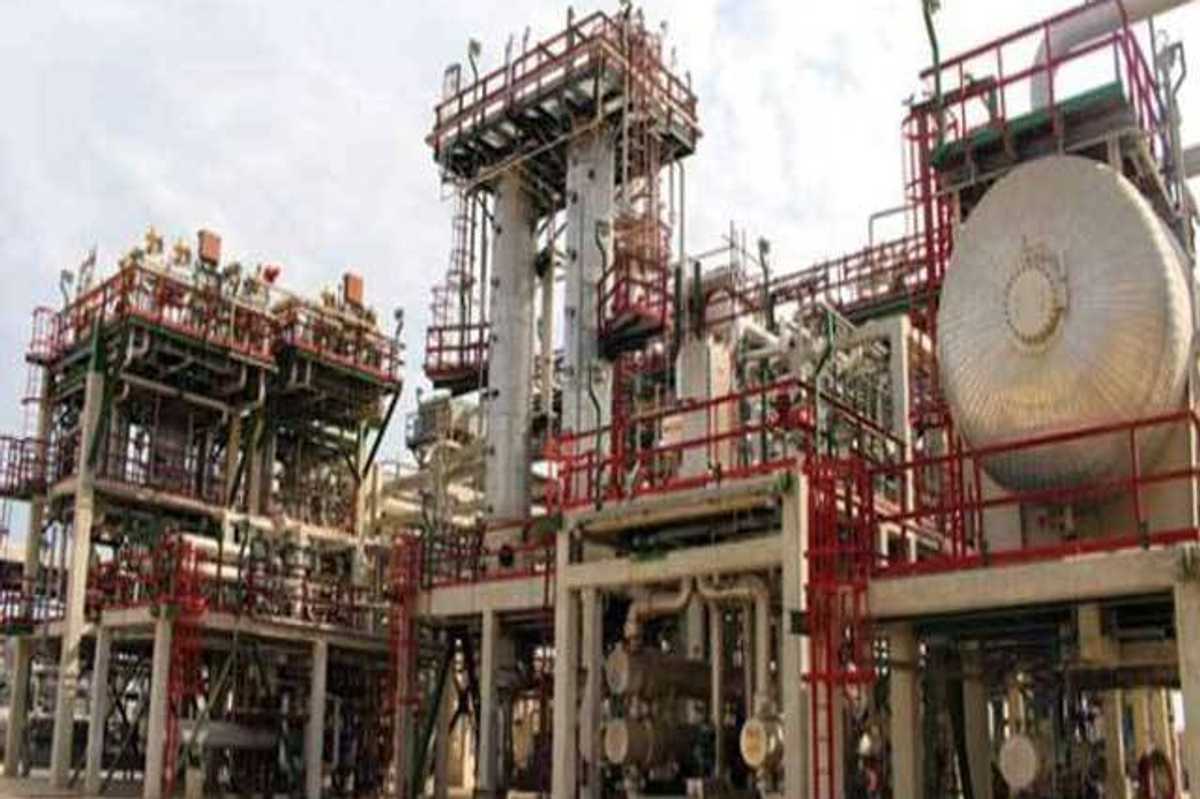
Pakistan's listed refineries posted a combined net profit of PKR 54.8 billion in fiscal 2026, reversing a PKR 10.5 billion loss a year earlier, as stronger petrol and diesel refining margins and higher production volumes supported a sharp recovery in earnings, according to an Arif Habib Ltd. report.
The report said sector revenue rose 27% to PKR 1.54 trillion in FY26 from PKR 1.22 trillion in FY25, while gross profit surged to PKR 107.4 billion from PKR 10.4 billion. The gross profit margin increased to 7% from 0.9%, while the net profit margin reached 3.6%.
Higher petroleum prices also contributed to the increase in revenue. Ex-refinery prices of motor spirit, or petrol, rose 17% year-on-year, while high-speed diesel prices increased 19%, according to the report.
Refinery output, sales increase
Refinery activity recovered during the year, with combined petroleum product production increasing 13.4% to 11.2 million tonnes from 9.9 million tonnes, lifting capacity utilization to 55% from 48%.
Diesel production rose 17.2%, while petrol output increased 12.4%. The production mix shifted toward diesel, which accounted for 50.3% of total output compared with 48.6% in FY25. Furnace oil's share declined to 21.1% from 23.1%, while jet fuel increased to 4.9% from 4.4%.
Total refinery sales increased 8.6% to 10.8 million tonnes. Diesel sales rose 13.6% and petrol sales increased 11%, while furnace oil sales declined 7.8% amid weaker demand from the power sector.
Refining margins drive earnings recovery
Arif Habib Ltd. said wider refining spreads were a key driver of the sector's turnaround.
The diesel refining margin against Arab Light crude increased to USD 29 per barrel in FY26 from USD 9.7 per barrel a year earlier. The comparable petrol margin rose to USD 7.4 per barrel from USD 2.9.
The brokerage attributed part of the sharp increase in diesel margins to supply disruptions and procurement difficulties following the onset of the U.S.-Iran conflict in March 2026.
Individual refinery performance
Attock Refinery Ltd. reported a profit of PKR 22.1 billion, an 85% year-on-year increase, and declared a dividend of PKR 17.50 per share, according to the report.
Pakistan Refinery Ltd. posted a PKR 15.8 billion profit compared with a PKR 4.7 billion loss in FY25. The improvement came despite a 1.7% decline in sales volumes, supported by stronger refining margins.
Cnergyico PK returned to profitability with earnings of PKR 10.8 billion, compared with a PKR 2.9 billion loss a year earlier. Its petroleum product sales increased 12.3%.
National Refinery Ltd. earned PKR 6.2 billion compared with a PKR 14.9 billion loss in FY25. Its earnings were affected by about PKR 13.5 billion in policy and accounting charges, according to Arif Habib Ltd.
Fourth-quarter earnings weaken
The report said the sector's earnings recovery was concentrated in the first three quarters of FY26.
Combined gross profit fell sharply to PKR 8 billion in the fourth quarter from PKR 72.2 billion in the preceding quarter, even as quarterly revenue increased 27% to PKR 530.8 billion.
The figures highlight the sensitivity of refinery earnings to changes in international refining margins, crude procurement conditions, domestic fuel demand and petroleum pricing.




Comments
See what people are discussing