

Pakistan steps up diplomacy after US-Iran talks end without deal
Dar engages Egypt, Saudi Arabia, Türkiye, urges ceasefire and continued dialogue
Aamir Abbasi
Editor, Islamabad
Aamir; a journalist with 15 years of experience, working in Newspaper, TV and Digital Media. Worked in Field, covered Big Legal Constitutional and Political Events in Pakistan since 2009 with Pakistan’s Top Media Organizations. Graduate of Quaid I Azam University Islamabad.
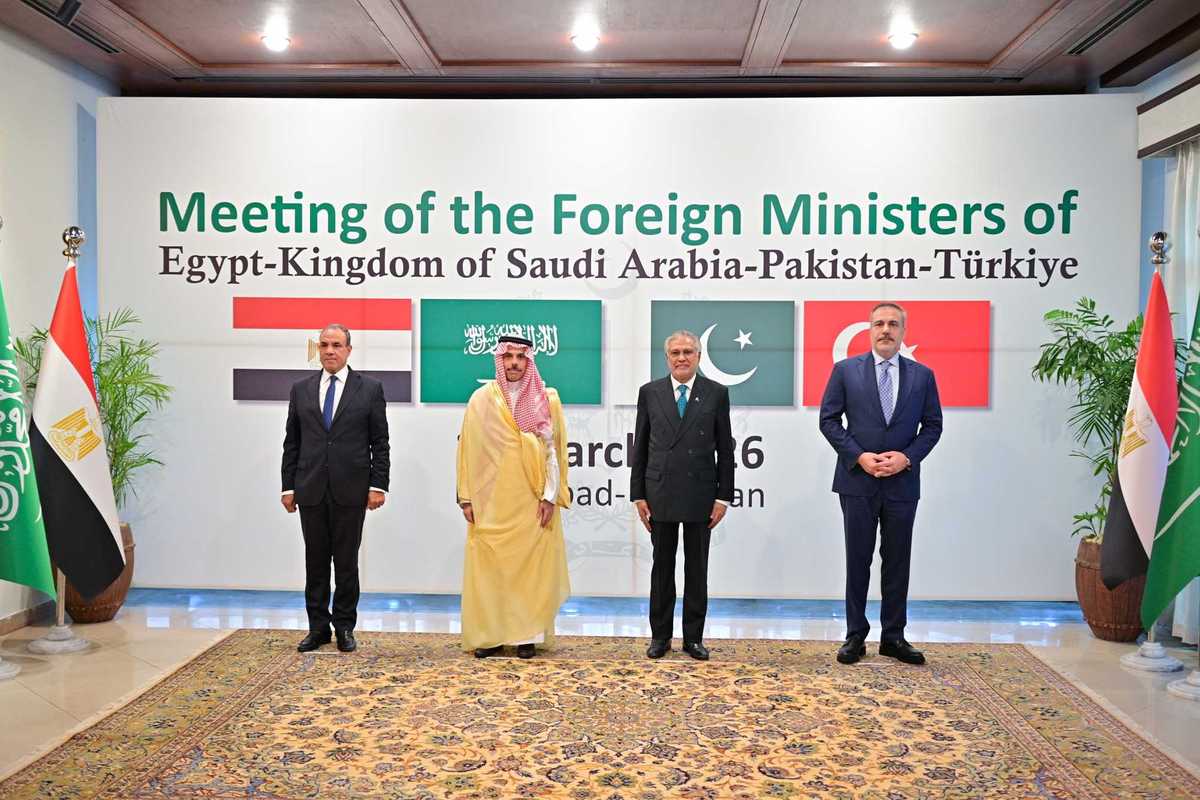
Pakistan has intensified its diplomatic outreach after the “Islamabad Talks” between the United States and Iran ended without a peace deal, with Deputy Prime Minister and Foreign Minister Ishaq Dar engaging key global counterparts.
In separate telephone calls, Dar briefed Egyptian Foreign Minister Badr Abdelatty, Saudi Foreign Minister Faisal bin Farhan Al Saud, and Turkish Foreign Minister Hakan Fidan on the outcome of the talks and Pakistan’s efforts to facilitate engagement between Washington and Tehran.
Deputy Prime Minister/Foreign Minister Senator Mohammad Ishaq Dar @MIshaqDar50 spoke today with Saudi Arabia’s Foreign Minister, Prince Faisal bin Farhan @FaisalbinFarhan.
DPM/FM shared developments regarding the Islamabad Talks. He stressed the importance of all parties… pic.twitter.com/JlNqMoMcAp
— Ministry of Foreign Affairs - Pakistan (@ForeignOfficePk) April 12, 2026
He stressed the importance of all sides adhering to ceasefire commitments and said sustained dialogue and diplomacy remain essential for long-term peace and stability. Dar also reiterated Pakistan’s commitment to supporting de-escalation and constructive engagement.
U.S. Vice President JD Vance earlier said the talks in Islamabad failed to produce an agreement, adding that Washington had presented Tehran with a “final and best offer.”
Iran’s parliament speaker Mohammad Bagher Ghalibaf said that the United States was “unable” to gain Tehran’s trust during the high-level negotiations.
Deputy Prime Minister/Foreign Minister Senator Mohammad Ishaq Dar @MIshaqDar50 spoke with Egypt’s Foreign Minister, H.E. Badr Abdelatty today.
DPM/FM briefed his Egyptian counterpart on the ‘Islamabad Talks’ and Pakistan’s continued efforts in facilitating engagement between… pic.twitter.com/htjncZLlxu
— Ministry of Foreign Affairs - Pakistan (@ForeignOfficePk) April 12, 2026
The talks marked the highest-level engagement between the two sides since Iran’s 1979 Islamic Revolution. Pakistan, which hosted the discussions, said it would continue to facilitate dialogue and urged both sides to respect a temporary ceasefire.
Turkish Foreign Minister Hakan Fidan commended Pakistan’s role in bringing the parties closer and facilitating dialogue. Both sides reaffirmed their commitment to promoting peace through diplomacy. Fidan also invited Dar to attend the upcoming Antalya Diplomacy Forum later this month.
Deputy Prime Minister/Foreign Minister Senator Mohammad Ishaq Dar @MIshaqDar50 spoke this evening with the Foreign Minister of Türkiye, Hakan Fidan@HakanFidan.
DPM/FM shared developments regarding the ‘Islamabad Talks’ and stressed the importance of all parties adhering to… pic.twitter.com/XEkxaSdYU8
— Ministry of Foreign Affairs - Pakistan (@ForeignOfficePk) April 12, 2026
Pakistan has positioned itself as a key mediator, advocating restraint and peaceful resolution of disputes.
Tensions have escalated since the United States and Israel launched attacks on Iran on Feb. 28, prompting retaliation from Tehran. Key disputes include Iran’s nuclear program, regional conflicts and control of the Strait of Hormuz, a vital global oil shipping route.
U.S. President Donald Trump said during the talks that Washington had already achieved military success and suggested a deal was not essential.
“Whether we make a deal or not makes no difference to me. The reason is because we’ve won,” Trump said.
Despite the lack of agreement, U.S. officials indicated Iran would have time to consider the proposal, while Pakistan signaled it would continue efforts to keep negotiations alive.


Comments
See what people are discussing