

Pakistan textile mills seek central bank help over cotton financing dispute
APTMA says outdated cotton benchmarks are limiting access to working capital

Business Desk
The Business Desk tracks economic trends, market movements, and business developments, offering analysis of both local and global financial news.
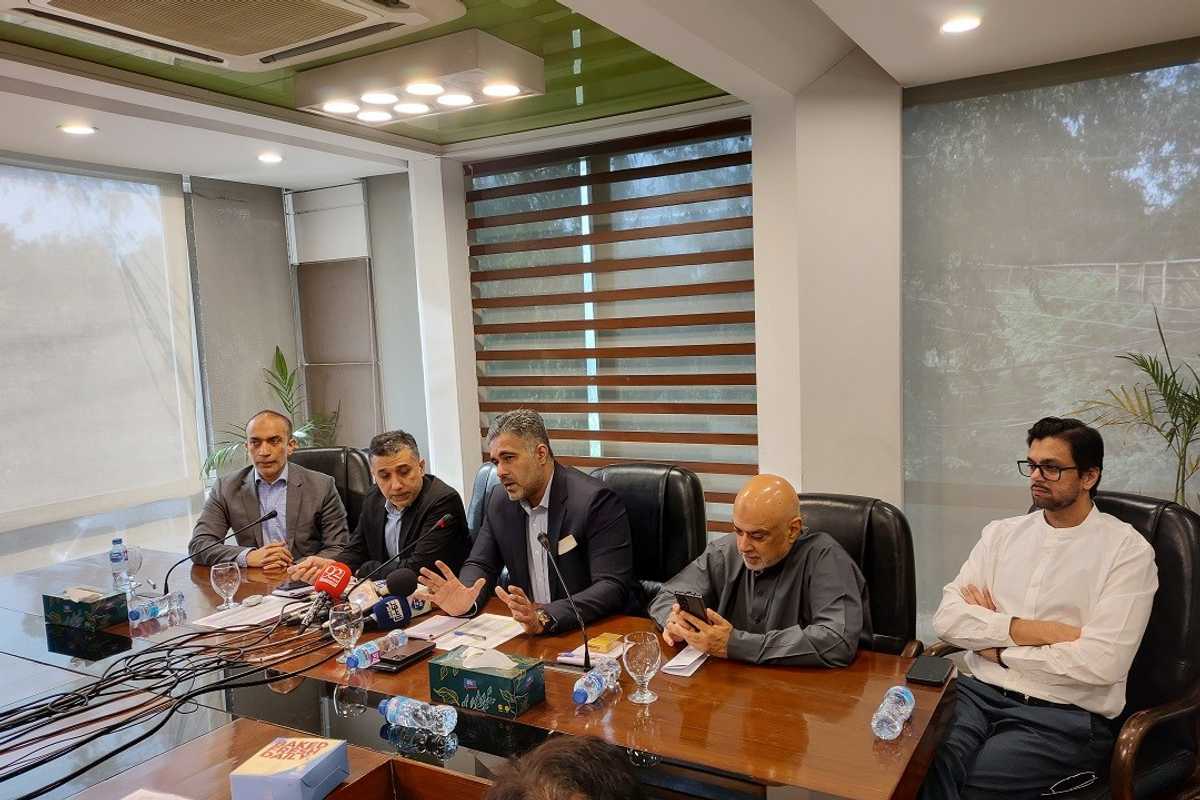
Pakistan’s textile industry has urged the State Bank of Pakistan (SBP) to intervene in a growing financing dispute that industry representatives say is restricting access to working capital for spinning mills ahead of the new cotton season.
In a letter to the central bank, the All Pakistan Textile Mills Association (APTMA) highlighted what it described as a serious challenge in securing bank financing against cotton pledged as collateral.
Gap Between Market and Benchmark Prices
According to APTMA, commercial banks continue to value pledged cotton using benchmark rates previously issued by the Karachi Cotton Association (KCA), which has not published official rate sheets since Dec. 12, 2025, following the suspension of its operations.
The association said the absence of updated benchmark rates has created a significant gap between prevailing market prices and the values used by banks to determine lending limits.
Cotton is currently trading at around PKR 21,000 per maund, while banks are reportedly calculating financing limits using the last available KCA benchmark rate of PKR 15,500 per maund, APTMA said.
As a result, textile mills are being required to provide substantially higher margins, in addition to mandatory collateral requirements, to obtain financing.
Cash Flow Pressures Ahead of Cotton Season
APTMA warned that the situation is straining the cash flows of spinning mills at a critical time when companies need to build raw cotton inventories for the upcoming season.
The association said the financing constraints are discouraging mills from fully utilizing approved credit facilities and could negatively affect cotton procurement from domestic markets.
Industry representatives cautioned that limited access to financing may disrupt the supply chain and create operational challenges for textile manufacturers, one of Pakistan’s largest export-oriented industries.
Proposal for Alternative Benchmark
To address the issue, APTMA requested that the SBP engage with commercial banks and establish an alternative mechanism for cotton valuation.
The association proposed authorizing the Pakistan Cotton Ginners Association (PCGA) to issue nationwide spot rates for Pakistani cotton in the absence of KCA price sheets.
Under the proposal, these rates would serve as the official benchmark for valuing cotton pledged as collateral for bank financing.
Call for Central Bank Intervention
APTMA urged the central bank to take up the matter on a priority basis and facilitate the use of realistic, market-based cotton prices for lending purposes.
The association said timely intervention would help ensure that textile mills can secure pledge financing based on actual market valuations, easing liquidity pressures and supporting cotton purchases during the new season.
Pakistan’s textile sector accounts for the majority of the country’s export earnings and remains heavily dependent on working capital financing for the procurement of raw materials and production operations.



Comments
See what people are discussing