

Pakistan to cut petrol car prices by up to PKR1m under proposed auto policy, offset by new vehicle levies
Locally manufactured petrol-powered vehicles in Pakistan could see price reductions of up to PKR 1 million through cuts in federal excise and customs duties under a draft auto policy

Business Desk
The Business Desk tracks economic trends, market movements, and business developments, offering analysis of both local and global financial news.
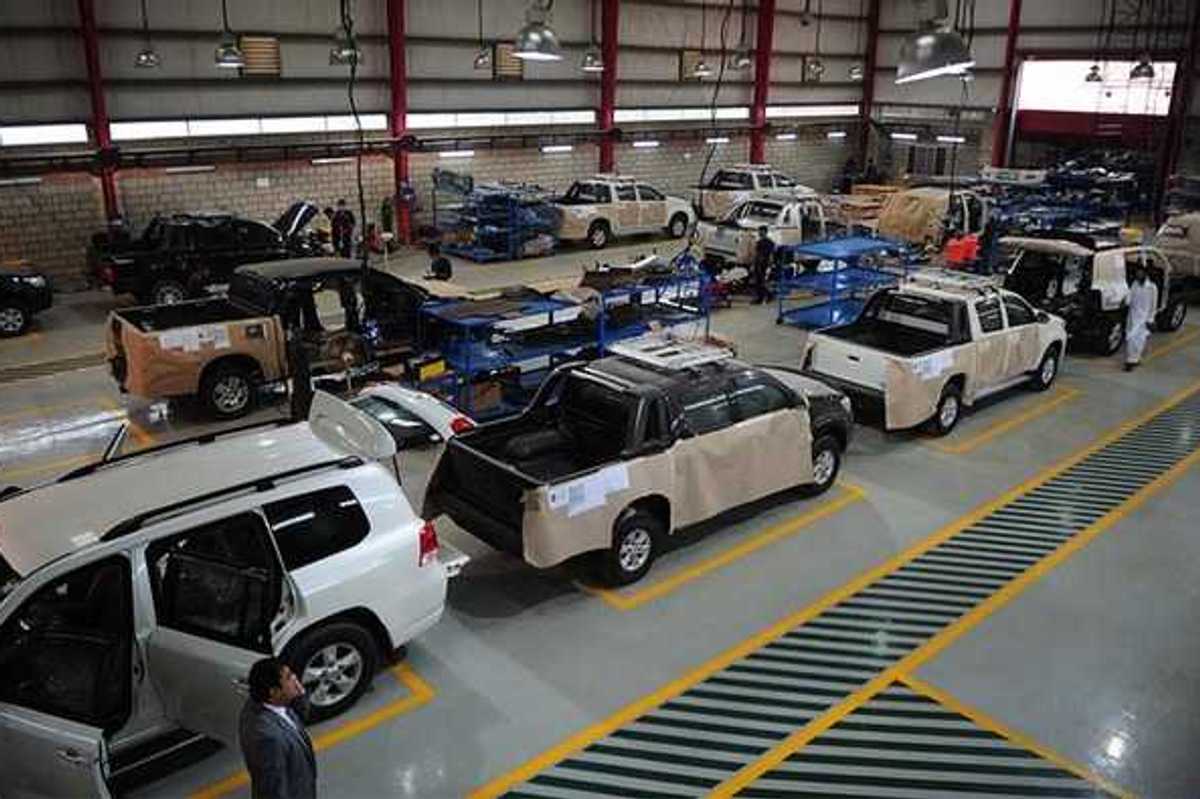
Locally manufactured automobile assemblers and manufacturers in Pakistan are slated to reduce the prices of petrol-powered passenger vehicles by up to PKR 1 million through targeted cuts in federal excise duty (FED) and customs duties under a proposed auto policy overhaul, following directives from Prime Minister Shehbaz Sharif to make personal transport more affordable.
The proposed tax relief comes alongside new fiscal levies on internal combustion engine (ICE) vehicles as the federal government seeks to balance consumer relief and electric vehicle (EV) incentives with revenue conditions agreed under its International Monetary Fund (IMF) program.
How much will petrol car prices decline across engine categories?
According to official documents and government sources, the draft policy outlines phased duty reductions across entry-level and compact vehicle segments.
For locally assembled petrol cars with engine capacities of up to 658cc, retail prices would fall by PKR 375,000, decreasing from PKR 3.22 million to PKR 2.845 million.
In the popular 1,000cc category, vehicles with engine displacements of up to 998cc would see price reductions of PKR 440,000, bringing costs down from PKR 4.27 million to PKR 3.83 million.
Relief extends into the crossover and compact sport-utility vehicle (SUV) segment. Locally manufactured petrol SUVs with engine capacities of up to 1,496cc would see price cuts of PKR 740,000, dropping from PKR 6.06 million to PKR 5.32 million. Another tier of locally assembled petrol SUVs, with engine displacements of up to 1,498cc, would see prices decline by PKR 280,000, reducing retail costs from PKR 9.44 million to PKR 9.16 million.
How does policy balance IMF revenue benchmarks with electric vehicle incentives?
To safeguard fiscal stability, the government has reached an understanding with the IMF regarding PKR 85 billion in tax concessions under the automotive framework by introducing compensatory revenue measures.
Under the proposal, the government plans to retain a concessional 1 percent sales tax on electric vehicles valued up to USD 50,000, resisting IMF recommendations to raise the rate to the standard 18 percent.
Maintaining the 1 percent rate provides an estimated PKR 85 billion in tax relief to accelerate local EV adoption and reduce the national petroleum import bill.
However, electric vehicles valued above PKR 20 million will face a 10 percent federal excise duty to ensure higher-end luxury buyers contribute to state revenues.
What levies will be imposed on conventional combustion engine vehicles?
To offset the revenue foregone from EV incentives and small-car duty reductions, the government plans to introduce an Automotive Development Levy (ADL) on conventional fuel-burning vehicles through an upcoming finance bill in parliament.
The proposed ADL establishes a tiered taxation structure for both locally assembled and imported internal combustion engine vehicles:
- Vehicles with engine displacements between 1,001cc and 2,000cc will be subject to a 2 percent levy.
- High-displacement vehicles with engine capacities of 2,001cc and above will face a 10 percent levy.
Finance ministry projections indicate the automotive development levy will generate approximately PKR 37 billion from passenger ICE cars, while an additional PKR 45 billion is projected from commercial transport sectors, including buses and trucks. A separate carbon levy on conventional petroleum and diesel vehicles will remain operational, generating an estimated PKR 25 billion.
Revenue collected through the automotive development levy will be earmarked to build nationwide public electric vehicle charging networks and support localization schemes for automotive component manufacturers. The legislative amendments are expected to be tabled in parliament in the coming weeks to formally enact the revised tariff schedules.




Comments
See what people are discussing