

Pakistan set to unveil PKR 18 trillion budget with tax cuts for salaried class
New tax measures, higher fuel levies and increased welfare spending aim to support fiscal targets

Haris Zamir
Business Editor
Experience of almost 33 years where started the journey of financial journalism from Business Recorder in 1992. From 2006 onwards attached with Television Media worked at Sun Tv, Dawn Tv, Geo Tv and Dunya Tv. During the period also worked as a stringer for Bloomberg for seven years and Dow Jones for five years. Also wrote articles for several highly acclaimed periodicals like the Newsline, Pakistan Gulf Economist and Money Matters (The News publications)
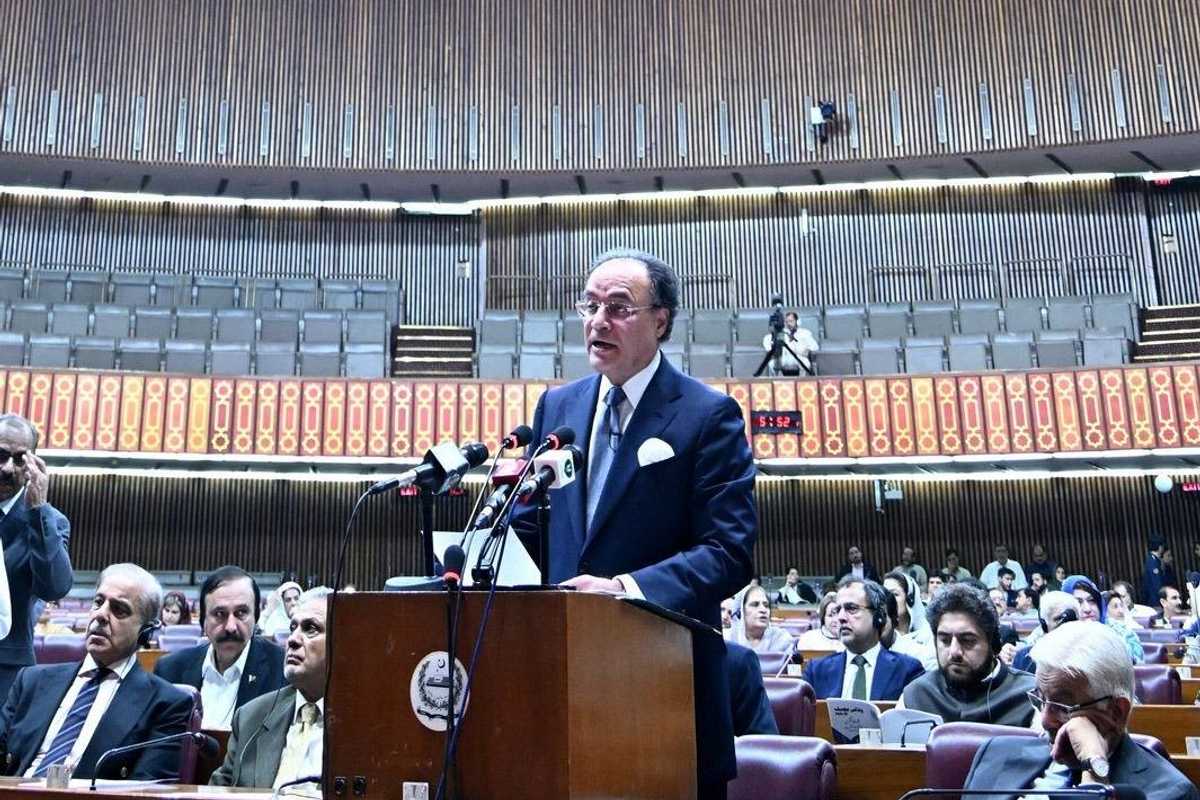
Pakistan's federal budget for fiscal year 2026-27 is expected to total nearly PKR 18 trillion when Finance Minister Muhammad Aurangzeb presents the spending plan to parliament on June 12, according to official sources and budget proposals reviewed ahead of the announcement.
The budget is expected to include a 10% salary increase for government employees and income tax relief for salaried individuals earning between PKR 1.2 million and PKR 2.2 million annually.
Authorities are also considering revisions to income tax slabs, increasing the number of tax brackets from six to eight and reducing tax rates for employees earning monthly salaries of PKR 100,000, PKR 200,000 and PKR 300,000, according to sources.
Officials are also considering abolishing the 10% surcharge currently imposed on annual incomes of PKR 10 million or more.
The government is expected to introduce approximately PKR 220 billion in new tax measures during the upcoming fiscal year.
Pakistan's tax collection target for FY2026-27 is expected to be set at PKR 15.264 trillion, including PKR 7.413 trillion from direct taxes, PKR 4.727 trillion from sales tax, PKR 1.651 trillion from customs duties and PKR 1.043 trillion from the federal excise duty, according to budget estimates.
Non-tax revenue is projected at PKR 2.768 trillion, while collections from the Petroleum Development Levy (PDL) are expected to reach PKR 1.727 trillion, up PKR 259 billion from the current fiscal year's target of PKR 1.468 trillion.
The government is also expected to double the climate levy on petroleum products from PKR 2.5 per liter to PKR 5 per liter as part of efforts to generate additional revenue and support climate-related initiatives.
Debt servicing is projected to remain the largest expenditure item, with interest payments and loan servicing estimated at PKR 7.824 trillion in FY2026-27.
Of that amount, PKR 6.652 trillion is expected to be allocated to domestic debt servicing, while PKR 1.107 trillion will be spent on servicing foreign debt.
The non-development budget for federal ministries and divisions is expected to be set at PKR 1.07 trillion, while pension expenditures are projected to exceed PKR 1.1 trillion.
The government is also expected to allocate PKR 838 billion to the Benazir Income Support Programme (BISP). Budget proposals include increasing quarterly cash stipends for beneficiaries from PKR 13,000 to PKR 14,500.
On the taxation front, the budget is expected to lower the cost of several consumer products, including makeup items, face powder, mascara, shampoo and soap.
In contrast, electric vehicles, hybrid vehicles and plug-in hybrid vehicles could become more expensive under proposed tax changes. Budget documents indicate the government plans to impose a new environmental levy on luxury vehicles.
Under the proposal, petrol- and diesel-powered vehicles with engine capacities between 2,001cc and 3,000cc would face a 10% environmental levy, while vehicles with engines larger than 3,000cc would be subject to a 19.5% levy.
The government estimates the measure could generate PKR 25.8 billion in revenue from vehicles with engine capacities above 2,000cc.
The budget also proposes incentives for Pakistan's local automobile industry. Taxes on raw materials used by domestic vehicle manufacturers could be reduced to 1%, while import duties on components used by local parts manufacturers may be cut from 10% to 5%.
Taxes on imported parts used for local vehicle assembly could also be reduced from 20% to 10%, according to the proposals.
However, locally manufactured hybrid vehicles may face a higher sales tax rate of 18%, up from the current 8.5%, budget documents show.
The government is also proposing stricter localization requirements for automakers, warning that preferential tax treatment could be withdrawn if manufacturers fail to increase the local content of vehicle parts.
Budget proposals would also require automakers to comply with 62 safety and quality standards tests.
Meanwhile, import duties on sport utility vehicles and jeeps are expected to be gradually reduced. Budget documents show the government plans to lower the current 50% duty by two percentage points initially and gradually reduce it to 40% over the next five years.
Corporate income tax rates are expected to remain unchanged, although officials are considering reducing the super tax imposed on large companies.
The budget proposals remain subject to parliamentary approval and could be revised before final passage.


Comments
See what people are discussing