Pakistan's inflation decreased by 0.59% in the second week of February due to lower food prices, according to official data.
On a year-on-year basis, the Sensitive Price Indicator (SPI) went up by 4.26%.
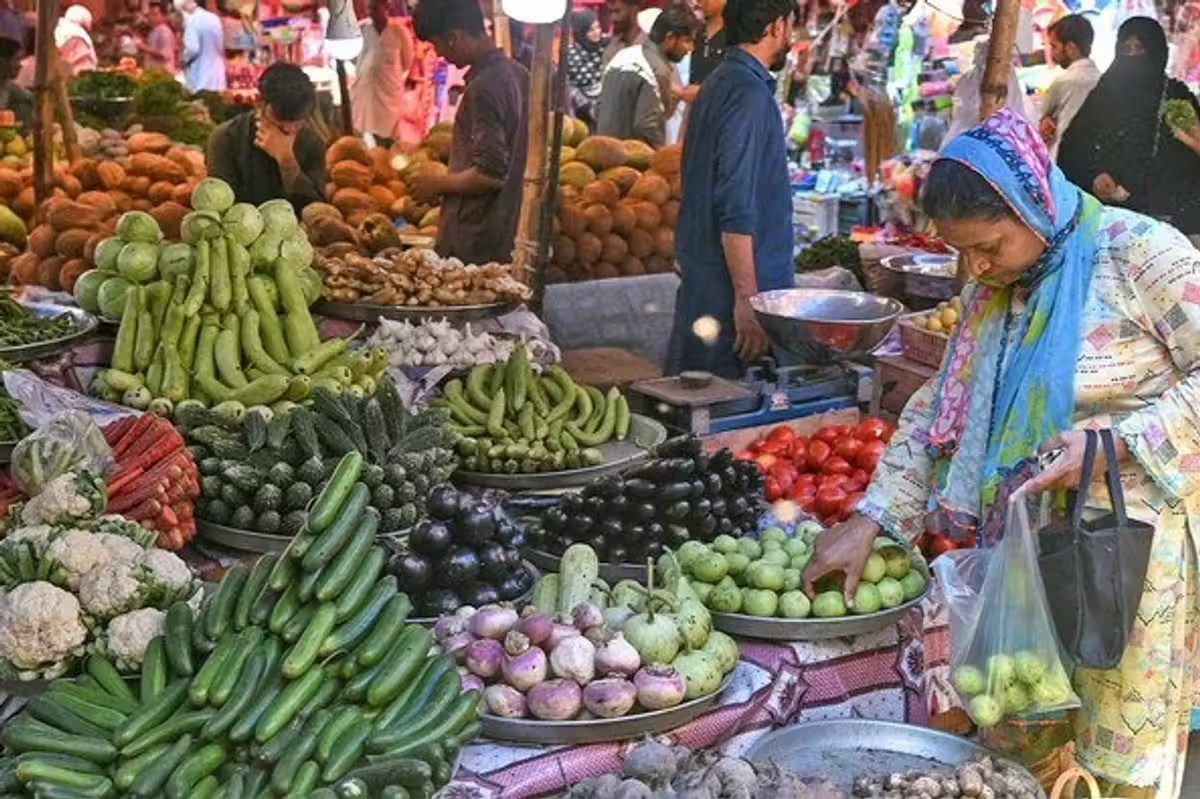
According to data released by the Pakistan Bureau of Statistics (PBS), the biggest week-on-week decrease was observed in the prices of eggs (17.61%), tomatoes (12.02%), chicken (6.34%), onions (2.73%), and potatoes (2.49%).
The items whose prices saw the biggest increase included bananas (7.62%), garlic (4.35%), pulse mash (2.69%), chili powder (1.68%), and mutton (0.80%).
Year-on-year, the biggest increase was observed in the prices of tomatoes (73.36%), wheat flour (33.82%), gas charges for Q1 (29.85%), chili powder (15.20%), and beef (12.70%).
Pakistan tracks inflation weekly and monthly. The former is called the SPI, while the latter is tracked through the Consumer Price Index (CPI).
The SPI, which tracks the prices of 51 essential commodities from 50 markets across 17 cities, is used as a key gauge of short-term inflation trends.
During the week ended February 12, out of 51 items, the prices of 15 (29.41%) items increased, 15 (29.41%) items decreased and 21 (41.18%) items remained stable.
In January, the CPI or headline inflation rose slightly to 5.8% from 5.6% in December, but remained within the State Bank of Pakistan's 5-7% target range. The uptick was primarily driven by increases in food and non-alcoholic beverages, housing and utilities, and miscellaneous goods and services, while transport inflation eased.
In late January, the State Bank of Pakistan (SBP) kept the key policy rate unchanged at 10.5% in its first monetary policy decision of 2026, defying market expectations of a cut. The decision came after the central bank had slashed rates by 1,150 basis points cumulatively since June 2024.
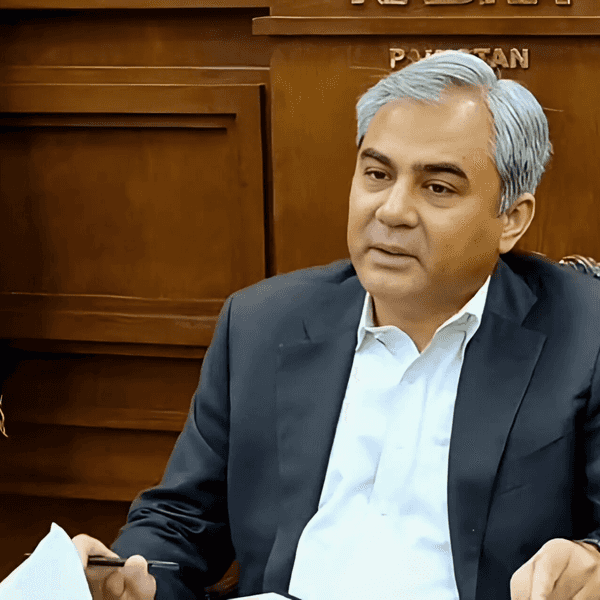
SBP Governor Jameel Ahmed said core inflation has persisted around 7.4% in recent months, while the outlook suggests it could exceed 7% in some months of the second half of fiscal year 2026. He projected GDP growth of 3.75-4.75% for the current fiscal year, higher than the IMF's forecast.





Comments
See what people are discussing