

Pakistan’s RLNG power output drops 86% after Qatar supply disruption
RLNG-based electricity generation hits multi-year low as Pakistan shifts to coal, nuclear and hydropower

Business Desk
The Business Desk tracks economic trends, market movements, and business developments, offering analysis of both local and global financial news.
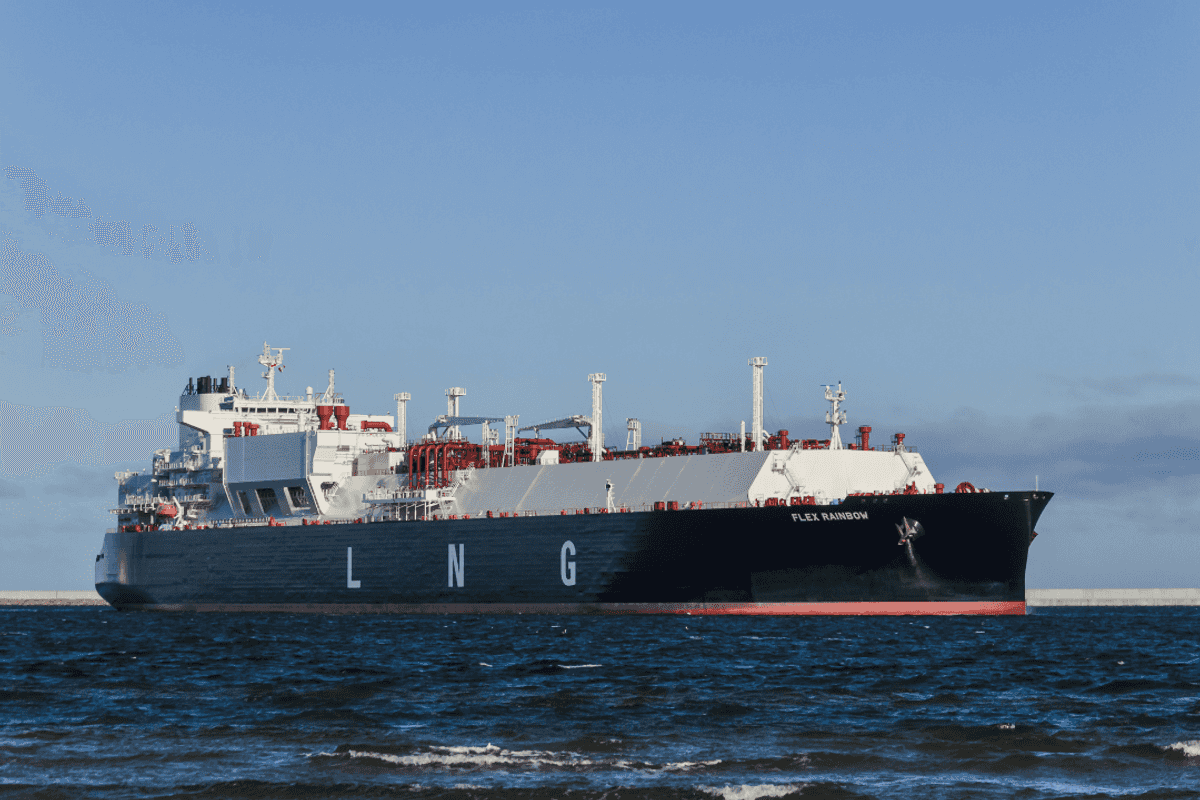
Pakistan’s electricity generation from re-gasified liquefied natural gas, or RLNG, plunged to a multi-year low in April after LNG supplies from Qatar were disrupted amid tensions and conflict in the Gulf region, sharply reducing fuel availability for gas-fired power plants.
Electricity generation from RLNG-fired plants fell to 308 gigawatt hours, or GWh, in April 2026, compared with 2,157 GWh in the same month last year, according to data compiled by the National Electric Power Regulatory Authority, or NEPRA, and cited in a report issued by Arif Habib Limited on May 20.
The share of RLNG-based generation in Pakistan’s overall electricity mix dropped to 4% in April from 21% a year earlier, reflecting the sharp decline in imported gas availability.
Overall power generation declines
Pakistan’s total electricity generation in April declined 10% year over year to 9,499 GWh from 10,513 GWh in April 2025, according to NEPRA data.
Coal-fired plants — using both domestic and imported coal — emerged as the largest source of electricity generation during the month, producing 2,825 GWh. Nuclear plants contributed about 2,097 GWh, while hydropower generation stood at 2,079 GWh.
Analysts said the country increasingly relied on alternative generation sources after LNG imports came to a halt during the month.
Data released by the Pakistan Bureau of Statistics on May 20 showed Pakistan recorded zero LNG imports in April, compared with imports worth USD 235 million in the same month last year.
Gulf conflict disrupts LNG supplies
“Since no LNG cargoes were secured for April 2026 due to the closure of the Strait of Hormuz, the Pakistan government increasingly relied on nuclear, domestic coal and imported coal-fired electricity generation to cover the deficit,” said Bazif Memon, an equity research analyst at Optimus Capital Management.
Memon said only two LNG cargoes arrived in March before shipments were disrupted because of the conflict in the Middle East.
Pakistan typically imports between nine and 10 LNG cargoes every month from Qatar under long-term agreements.
The country has two long-term LNG supply contracts with Qatar. One is a 15-year agreement ending in January 2031 with a Brent slope of 13.37%, while the second is a 10-year contract maturing in December 2032 with a Brent slope of 10.2%.
Memon said LNG cargoes were expected to resume according to schedule if negotiations between Iran and the United States progressed positively and regional tensions eased.
He added that the government had already secured three cargoes and was hopeful of receiving additional supplies from Qatar if the security situation in the Gulf stabilized.
Weak outlook for LNG-based generation
Analysts said the disruption exposed Pakistan’s continued vulnerability to imported fuel supply shocks despite efforts to diversify the country’s energy mix.
Mohammed Bilal Ejaz, a research analyst, said LNG-based power generation declined sharply in April because of tight supply conditions and elevated import costs, which reduced dispatch from RLNG-fired plants.
“The outlook remains weak, with only a gradual recovery expected as cargo availability improves,” Bilal said.
Pakistan’s LNG import bill during the first 10 months of the fiscal year ending in June also declined sharply.
According to PBS data, LNG imports during July-April FY2025-26 fell to USD 1.884 billion, compared with USD 2.917 billion during the same period last year.
RLNG generation falls during fiscal year
NEPRA data showed electricity generation from RLNG plants during the first 10 months of the fiscal year declined 21% year over year to 14,157 GWh from 17,847 GWh in the corresponding period of the previous fiscal year.
The decline comes as Pakistan continues to struggle with lower industrial demand, high energy costs and periodic fuel supply constraints, while policymakers increasingly depend on coal, hydropower and nuclear generation to maintain grid stability.





Comments
See what people are discussing