

Parliament to decide on creation of new provinces, says Pakistan PM's adviser
Rana Sanaullah said parliament, not forums or seminars, must decide on the creation of new provinces in Pakistan amid growing political debate

News Desk
The News Desk provides timely and factual coverage of national and international events, with an emphasis on accuracy and clarity.
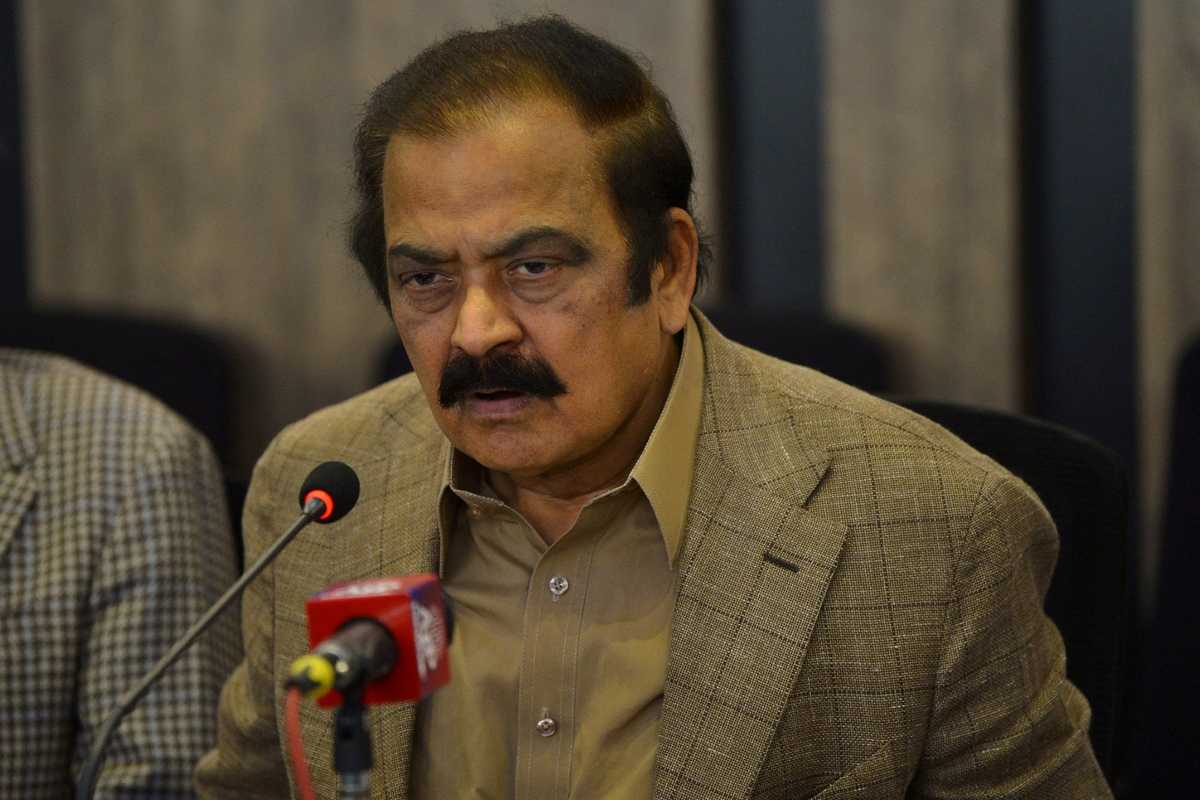
Pakistan's parliament will have the final say on whether new provinces are created, Prime Minister Shehbaz Sharif's adviser on political affairs, Rana Sanaullah, said on Saturday.
His remarks came as debate over restructuring the country's administrative map gained momentum.
What did Rana Sanaullah say about new provinces?
Sanaullah said the issue should be debated through parliament rather than at business forums, seminars or through public statements.
He argued that a decision of such magnitude required consultation among political parties and provincial leadership.
Why has the debate over new provinces intensified?
His comments came after Interior Minister Mohsin Naqvi renewed calls for the creation of new administrative units, saying Pakistan's growing population and changing needs could no longer be effectively managed through the existing provincial structure.
Responding to questions about Naqvi's remarks at a press conference in Lahore, Sanaullah said the debate would ultimately have to move to parliament, where a decision could be reached.
Would a referendum on new provinces need approval?
Sanaullah pointed to Naqvi's position that any new province should reflect public demand. He said determining whether the public supported such a move was itself a matter for parliament, adding that even a referendum on the issue would require parliamentary approval.
What is PML-N's position on new provinces?
The Pakistan Muslim League-Nawaz was discussing the issue internally, Sanaullah said, but had not yet finalised its position. The party would issue a policy statement once the debate reached a formal forum where a decision could emerge.
No federal minister had so far raised the matter before the cabinet, he added, and Prime Minister Shehbaz Sharif would issue directions once the issue was formally discussed.
How have coalition partners reacted to the new provinces debate?
The debate has intensified since late July, when Naqvi first called for new provinces as part of broader governance reforms. The proposal has drawn opposition from coalition partner Pakistan Peoples Party, which governs Sindh and has strongly rejected calls to divide the province, including proposals for a separate Karachi province.
Sanaullah said the PPP had "overreacted" to the debate, while PML-N Defence Minister Khawaja Asif has separately said greater devolution of power was "inevitable." Opposition parties, including the Pakistan Tehreek-e-Insaf, have also said they will consult on an all-parties conference covering new provinces, law and order and economic issues.
Has tension eased between PML-N and PPP?
Sanaullah, who serves on the core committees tasked with resolving differences between PML-N and PPP, said tensions between the two coalition partners had largely eased. Speaking after a meeting at the Governor House, he said any remaining disagreements would be settled amicably, with both parties committed to maintaining the coalition.
The committees ideally should meet every month, Sanaullah said, but their meetings had been disrupted by election campaigns in Gilgit-Baltistan and Azad Kashmir. With those campaigns now over, he expected the committees to meet more regularly and address both old and emerging disagreements, attributing much of the recent friction to the politically charged election campaigns.
What did Sanaullah say about the JI and PTI marches?
Sanaullah also commented on planned marches towards Islamabad by the Jamaat-i-Islami on September 20 and the PTI on September 27, saying the government viewed the two parties differently because of their past political activities.
He said the JI had generally conducted its political activities peacefully and within constitutional and legal limits, while the same could not be assumed of the PTI. The government respected the right to political protest, Sanaullah said, pointing to recent talks with JI representatives during which their demands were discussed.
He urged the JI leadership not to "overwork themselves needlessly," saying the PML-N government and Prime Minister Shehbaz Sharif also wanted fuel prices and electricity bills to fall by as much as, or even more than, the party was demanding.




Comments
See what people are discussing