

Pakistan increases fuel prices by PKR 19 for next week
The new prices will take effect from May 1

Abdul Moiz
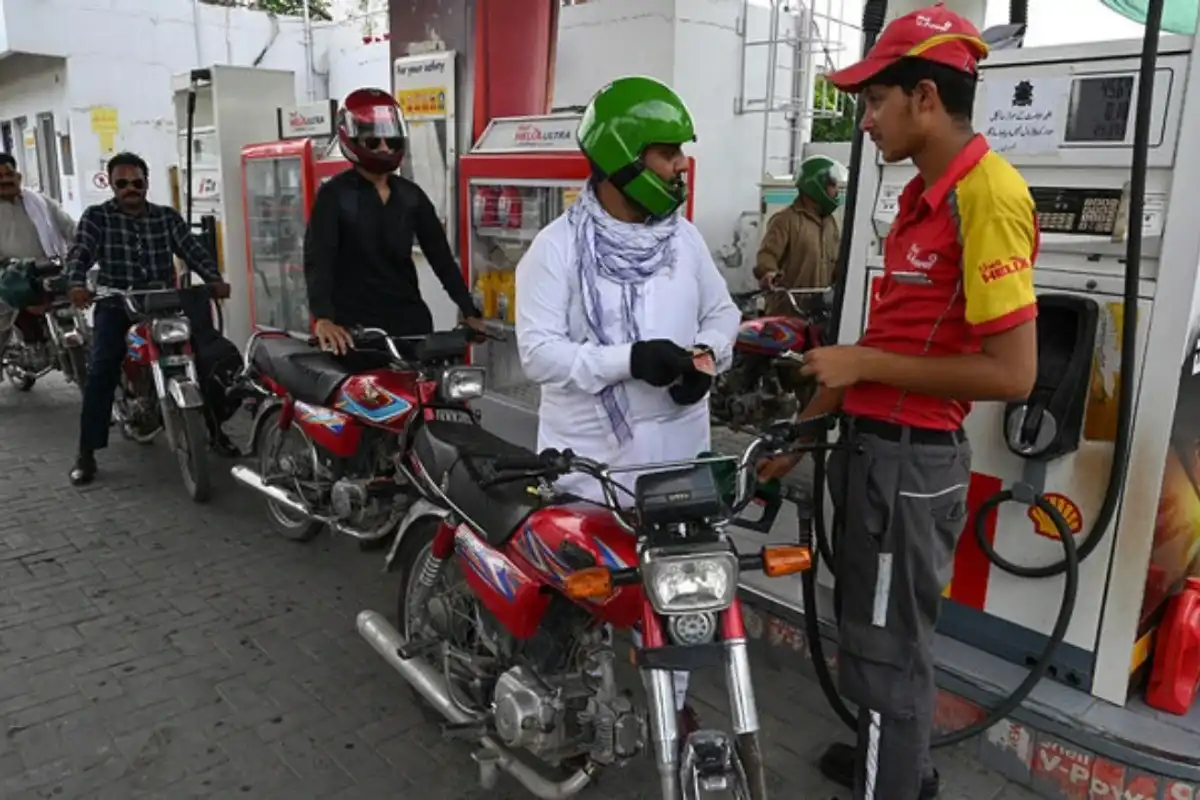
Pakistan sharply increased fuel prices, pushing petrol and diesel to PKR 400 per liter on Thursday, as officials and economists warned of mounting economic pressure linked to rising global tensions.
The hikes come as rising global tensions drive up energy costs, adding to pressure on consumers already facing higher inflation and transport fares.
What is the new petrol price in Pakistan?
The price of petrol has been raised by PKR 6.51 and high-speed diesel by PKR 19.39 for the next week. The new price of petrol will be PKR 399.86 and diesel PKR 399.58 per liter.
The new prices will take effect from May 1.
Why are fuel prices rising in Pakistan?
Pakistan, which relies heavily on imported fuel, is particularly vulnerable to fluctuations in global oil markets.
Petrol and diesel prices had shot to record levels in Pakistan after the closure of the Strait of Hormuz disrupted global supplies.
On April 3, the price of petrol was increased to PKR 458.47, and that of diesel to PKR 520.35 per liter. Later, petrol was lowered by PKR 80.
Before raising the prices, the government gave a subsidy of around PKR 130 billion by keeping the prices unchanged for two weeks, even as global prices rose steeply.
How are rising fuel prices affecting Pakistan's economy?
Economist Ali Salman, briefing the National Assembly's Standing Committee on Finance on Thursday, said inflation has surged from 4% to 12% since the onset of the Gulf conflict.
Food and transportation costs have risen sharply, with diesel price increases driving up the cost of wheat harvesting and other agricultural activities. Transport fares have increased between 40% and 100%, as around 80% of fuel consumption in Pakistan is tied to transportation.
Pakistan's energy mix is heavily reliant on thermal sources, which account for about 65% of total power generation.
The government has resorted to power outages to keep electricity costs manageable, while recent policy changes have reduced benefits previously available to solar energy consumers. War risk premiums are also affecting both exports and imports, Salman said.
How much tax is charged on fuel in Pakistan?
Fuel prices in Pakistan are influenced not only by global crude prices but also by the government’s tax structure, particularly the Petroleum Development Levy (PDL).
The PDL is a fixed amount per liter levied on petroleum products. It is a key source of non-tax revenue for the federal government because, unlike the general sales tax, which must be shared with provinces under the National Finance Commission Award, the petroleum levy remains entirely with the federal government.
Pakistan collected more than PKR 180 billion in PDL during the past six weeks amid heightened tensions linked to the U.S.-Iran conflict, according to finance ministry sources.
Total petroleum levy collections reached PKR 1.234 trillion in the current fiscal year from July through mid-April, significantly higher than the same period last year, sources said. The figure marks an increase of nearly PKR400 billion compared with the corresponding period of the previous fiscal year.
In March alone, the government collected PKR 52 billion more than it did in March of fiscal year 2024–25, reflecting higher fuel consumption and sustained levy rates.



Comments
See what people are discussing