

PM Shehbaz Sharif directs ministers to stop public criticism of colleagues
Shehbaz Sharif directs ministers to stop public criticism of colleagues after a row between Mohsin Naqvi and Rana Sanaullah over new provinces in Pakistan
Aamir Abbasi
Editor, Islamabad
Aamir; a journalist with 15 years of experience, working in Newspaper, TV and Digital Media. Worked in Field, covered Big Legal Constitutional and Political Events in Pakistan since 2009 with Pakistan’s Top Media Organizations. Graduate of Quaid I Azam University Islamabad.
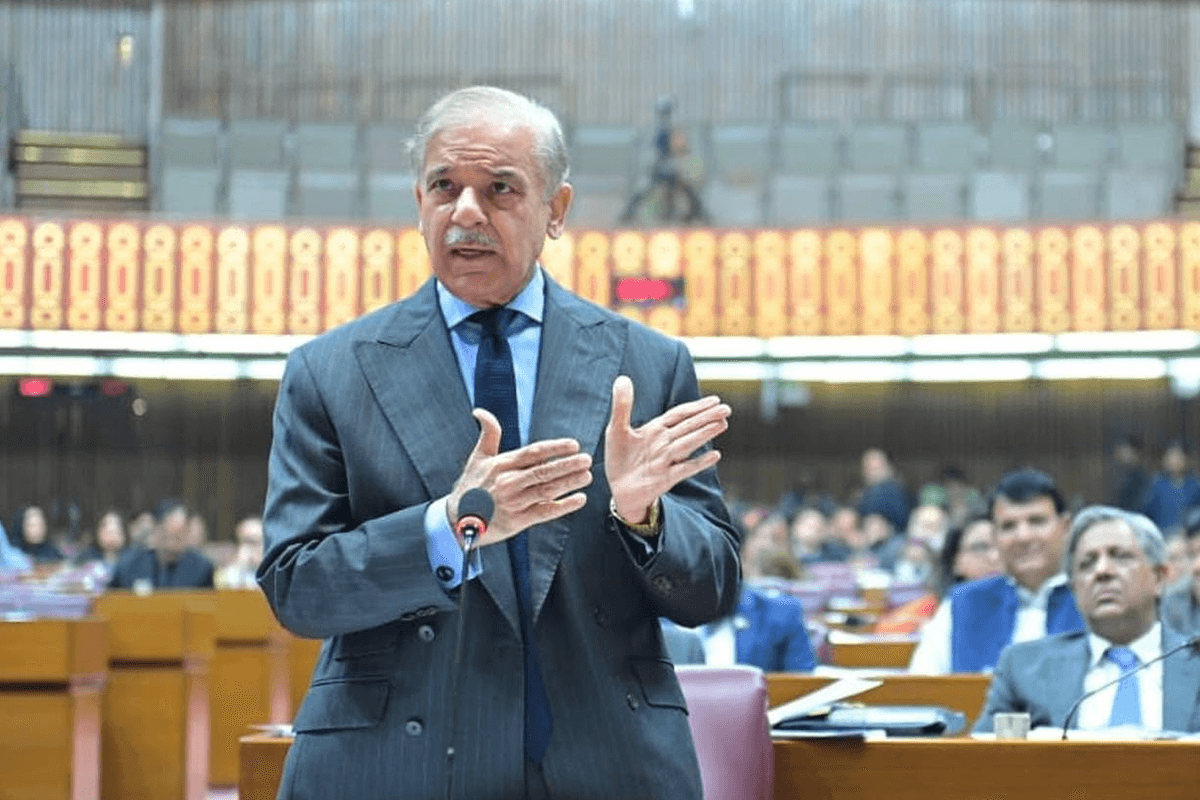
Prime Minister Shehbaz Sharif directed federal ministers on Tuesday to stop public criticism of cabinet colleagues.
The order follows a row between Interior Minister Mohsin Naqvi and Senator Rana Sanaullah over creating new administrative units in Pakistan, and it aims to contain divisions within the governing coalition.
Why did Shehbaz Sharif direct ministers to stop public criticism?
Shehbaz Sharif wants disagreements among cabinet members settled through consultation, not in public. He said public statements against colleagues could undermine the government's image and distract from its policy agenda.
The directive follows a public exchange between Naqvi and Sanaullah over proposals to create new administrative units.
What sparked the dispute between Naqvi and Sanaullah?
The disagreement is over the timing and manner of discussing a redrawing of Pakistan's administrative structure. Pakistan Muslim League-Nawaz (PML-N) Senator Rana Sanaullah said on Monday that Naqvi had complicated the debate by raising the issue of new provinces at an inappropriate forum.
He was referring to Naqvi's remarks at the Pakistan Economic Summit in Islamabad in July. There, the interior minister called for new administrative units to overhaul the existing governance system.
Naqvi later responded without naming Sanaullah. He warned that the senator would struggle to show his face if he chose to comment on him.
What did the prime minister say about government priorities?
Shehbaz said the government's priorities remain public welfare, development projects and economic stability, as Pakistan seeks to move towards sustained growth. He also cited what he described as the country's diplomatic and international achievements. He said the government had consistently pursued development-oriented politics.
He urged federal ministers to concentrate on public service and asked provincial government representatives to avoid confrontational rhetoric. Political stability, he said, requires collective responsibility, and he called for an end to public criticism among government representatives.





Comments
See what people are discussing