

Retailers warn third schedule expansion could overtax consumers and drive inflation
Chainstore Association says the tax changes will increase prices for footwear, bags and other everyday products

Business Desk
The Business Desk tracks economic trends, market movements, and business developments, offering analysis of both local and global financial news.
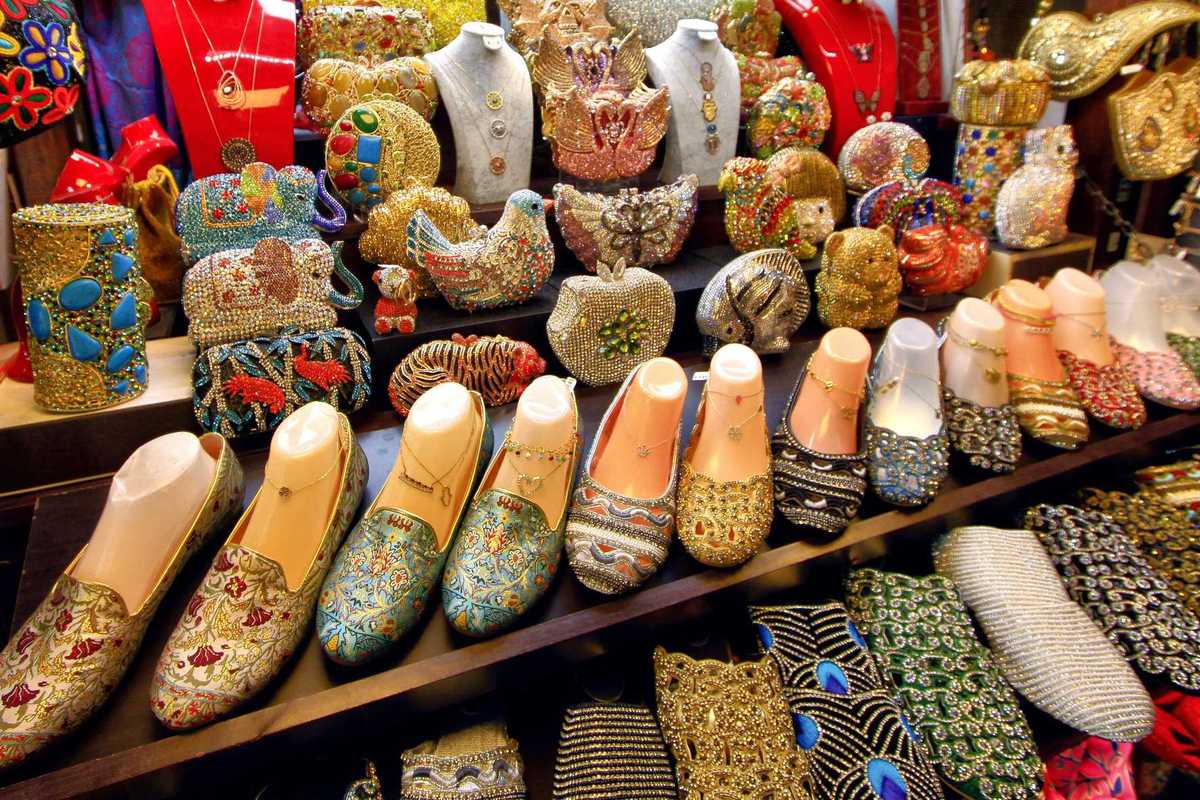
Chainstore Association warns proposed sales tax changes could increase consumer prices for everyday goods across Pakistan
Pexels
The Chainstore Association of Pakistan (CAP) has expressed serious concern over the inclusion of non-FMCG items, including everyday footwear, school backpacks, bags, wallets and other PCT 42.02 goods, in the Third Schedule of the Sales Tax Act, 1990. The association warned that the measure will raise prices by taxing consumers on notional retail prices rather than actual transaction values.
CAP, which represents tax-compliant Tier-1 retailers, said it has consistently supported formalization and efforts to broaden the tax base. However, it argued that extending Third Schedule treatment to price-variable, retailer-led categories will overtax consumers while increasing pressure on documented retailers and manufacturers.
Public reports estimate that the expansion under the Finance Act 2026 is expected to generate between PKR 50 billion and PKR 91 billion in additional revenue, highlighting the scale of costs likely to be passed on to consumers through higher prices. CAP said informal operators selling undocumented or smuggled goods would gain a price advantage.
The association warned that charging sales tax on the original retail price could push the effective tax burden well above the standard 18% rate. Retail brands frequently offer end-of-season and promotional discounts on a significant share of their products. For example, a product sold at a 30% discount from its original price could face an effective GST rate of about 26% instead of 18%.
CAP said the change is likely to result in consumers paying higher effective tax rates on many products. It added that shoppers could face fewer promotions, higher prices and reduced affordability in categories such as school shoes, everyday footwear, backpacks, bags, wallets and travel accessories.
“The issue is not whether tax should be collected. The issue is whether tax should be collected on the actual price paid by the consumer or on a notional price the consumer may never pay,” said Tariq Mehboob, CAP patron-in-chief. “Taxing shoes, backpacks, bags and other price-variable goods on assumed prices will reduce affordability and add to inflation.”
Mehboob said conventional Third Schedule goods are standardized products for which manufacturers or importers set stable retail prices and retailers sell them at fixed margins. Footwear, bags, wallets, luggage and leather goods differ because much of the value addition is carried out by retailers or brand owners through design, branding, marketing, merchandising, distribution and sales through their own stores.
In such cases, manufacturers typically do not determine the final retail price but could still be required to collect and deposit sales tax based on a notional or highest declared retail price, creating cash-flow pressures, compliance burdens and reconciliation challenges.
“Formal retailers are already integrated with FBR POS systems, and transaction-level data are available to the tax authorities,” said Asfandyar Farrukh, chairman of CAP. “There is no documentation benefit in taxing integrated Tier-1 retailers on assumed prices instead of actual POS transaction values. Pakistan needs more formal retail and local manufacturing, not a tax structure that makes documented goods more expensive.”
According to Farrukh, retail brands, footwear and leather goods manufacturers, and other stakeholders are concerned that the measure will distort pricing, reduce demand and discourage investment.
Farrukh said the impact will extend beyond retail prices, noting that the formal footwear and leather goods sector increasingly supports local manufacturing, design, job-work units, packaging, logistics, employment and vendor networks. If compliant retailers face higher tax costs, weaker demand and margin pressure, investment in local sourcing, manufacturing capacity, stores and employment could decline.
The association urged the government to limit Third Schedule treatment to branded, retail-packed and standardized goods for which manufacturers or importers set stable retail prices and that are sold through third-party retail channels. It also called on the Ministry of Finance, the Tax Policy Office and the FBR to retain transaction-value taxation based on actual POS sales for FBR POS-integrated Tier-1 retailers.




Comments
See what people are discussing