

Saudi Arabia intercepts six Houthi missiles after Mecca alert
Saudi Arabia intercepted six Houthi missiles targeting Taif and Yanbu after Mecca alerts, as Houthi attacks and fighting in Yemen escalate on Thursday.

News Desk
The News Desk provides timely and factual coverage of national and international events, with an emphasis on accuracy and clarity.
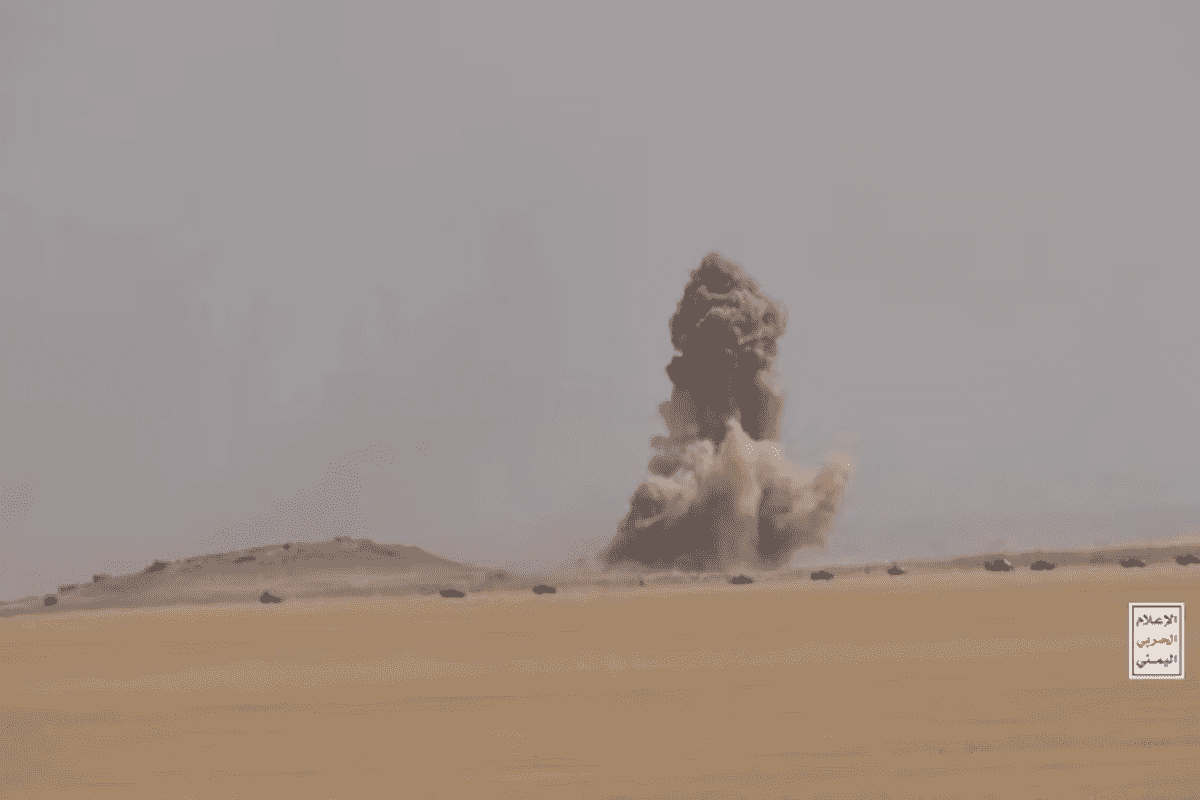
Smoke billows into the sky in a screengrab from a video said to show Houthi fighters attacking Saudi-backed forces in the location given by the source as al Jawf governorate, Yemen, in this screengrab taken from a video released by Houthi Military Media on September 15, 2026.
Reuters/File
Saudi Arabia intercepted Houthi ballistic missiles on Thursday after issuing warnings for several regions including Mecca, as the Iran-backed group escalates attacks on the kingdom. The Saudi-led coalition said six ballistic missiles had been intercepted, thwarting attacks on Taif and Yanbu.
Why did Saudi Arabia issue alerts for Mecca?
Saudi Arabia issued warnings for Mecca and other regions amid escalating attacks by the Iran-backed Houthis on the kingdom since July. In recent weeks, such alerts have often preceded Houthi attacks. Saudi Civil Defense lifted the alerts a few minutes later.
The Civil Defense issued a brief series of alerts, including one for Mecca, home to Islam's holiest sites. Separate warnings covered the Red Sea governorate of Yanbu and the Taif, Jeddah and Tabuk regions.
How many Houthi missiles did Saudi Arabia intercept?
The Saudi-led coalition, which has supported Yemen's government against the Houthis since 2015, said six ballistic missiles were intercepted. Coalition spokesman Turki al-Maliki addressed the attacks in a series of posts on X.
"Escalations and violations by the terrorist Houthi militia will be dealt with firmly," al-Maliki said.
Have the Houthis targeted Mecca before?
Last week, Riyadh accused the Houthis of targeting Mecca for the first time since 2017 with a drone that was downed. The Houthis denied the accusation.
A few days later, the group attacked the Saudi capital, Riyadh. It was the first such attack in years and marked a new escalation in the conflict.
What is happening on the ground in Yemen?
Fighting raged in Yemen between the Houthis and Riyadh-backed government forces as the missile attacks targeted Saudi Arabia on Thursday. At least 150 Houthi fighters and government forces members were killed in the past 24 hours, sources from both sides told AFP. The clashes included battles over hilltops overlooking the Bab al-Mandab strait at the mouth of the Red Sea.
An AFP tally compiled from five military sources counted at least 98 soldiers and government forces members killed. Most died in Houthi ballistic missile and drone attacks, with dozens of Yemeni troops killed on the Saudi side of the border they are tasked with guarding. Two Houthi sources said at least 52 Houthi fighters were killed.
Many on both sides also died in clashes in the Kahboub Mountains and in areas between the Lahj and Taiz regions. The Houthis are seeking to dominate the highlands overlooking Bab al-Mandab to protect newly seized territory.
Why did the 2022 Yemen truce collapse?
In July, a fragile 2022 truce between the Houthis and Yemen's government fell apart after the group allowed an Iranian plane to land in Sanaa. Riyadh controls Yemeni airspace, and the landing defied that control. The renewed hostilities embroiled Yemen in the wider Middle East war and set off a spate of attacks.
The Houthis later announced a maritime blockade of Saudi Arabia and began hitting its tankers and territory. They have also seized swathes of Yemen's Red Sea coast, which is vital for Saudi oil exports.
These gains cement the hold of Iran and its allies on the two waterways that the wider Gulf relies on to ship out oil and other fuel products. That includes top crude exporter Saudi Arabia.



Comments
See what people are discussing