South Korea launched its first trial container ship via the Arctic’s Northern Sea Route (NSR) on Saturday, as ongoing Middle East conflict continues to disrupt traditional maritime trade lanes through the Suez Canal.
The container vessel PanStar Acro departed from Busan New Port on a 45-day round-trip voyage to test the commercial viability of polar transit routes.
Why is South Korea testing an Arctic shipping route to Europe?
The trial voyage operated by PanStar Line aims to establish an alternative maritime corridor between East Asia and Europe following monthslong disruptions in the Middle East. The Arctic transit route cuts the journey between Asia and European ports by approximately 7,000 kilometers (4,300 miles) and shortens travel times by roughly 10 days compared to traditional passage through the Suez Canal.
According to reporting by Yonhap News Agency, the PanStar Acro will navigate north through the Bering Strait along Russia's Arctic coastline before calling at Felixstowe in the United Kingdom, Rotterdam in the Netherlands, and Gdansk in Poland. South Korea's Ministry of Oceans and Fisheries backed the demonstration project under a special law passed earlier this year to promote polar shipping logistics.
The Korea Times reports that South Korea's initiative follows similar polar sailings by Chinese container carriers, including the Dubai Tower, which launched earlier this month. Officials emphasized that rising geopolitical risks and advancing ice-navigation technologies make the Northern Sea Route an increasingly competitive secondary transit corridor.
What environmental and geopolitical concerns surround the Arctic route?
The expansion of commercial container traffic through the High North has drawn criticism from international environmental organizations. Climate scientists and ecological advocacy groups warned that increased vessel traffic and black carbon emissions along the Northern Sea Route risk accelerating sea ice melt in a region warming four times faster than the global average. major global ocean carriers—including MSC, CMA CGM, and Hapag-Lloyd—maintain voluntary commitments to avoid Arctic trans-shipment routes to protect vulnerable polar ecosystems.
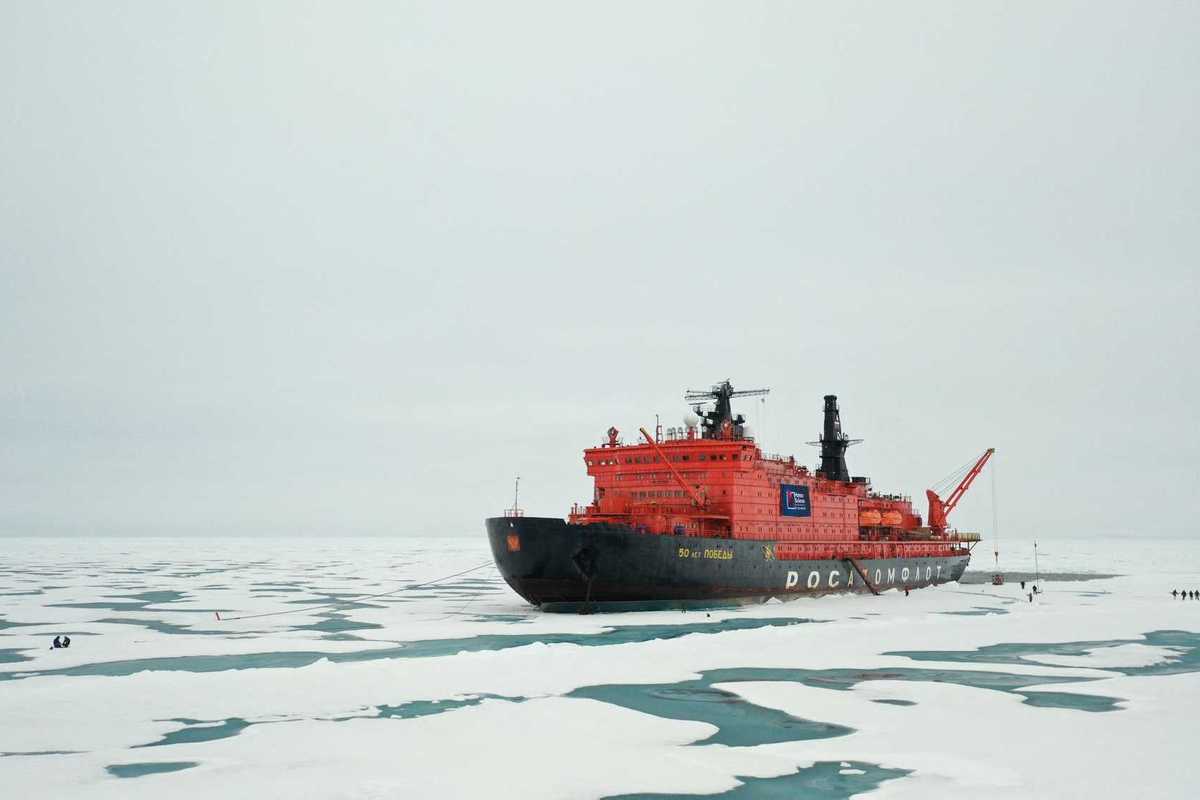
Analyses published by Lloyd's List note that navigating the Northern Sea Route presents regulatory challenges regarding Western economic sanctions against Moscow. Because transit along Russia's northern coastline requires administrative permits and icebreaking navigation services provided by state entities like Rosatom, Seoul completed administrative reviews to ensure compliance while securing necessary polar ice certifications for the trial.








Comments
See what people are discussing