

Two ships struck by projectiles in Strait of Hormuz, UK maritime agency reports
UKMTO confirmed that a commercial tanker and a container vessel were struck by unidentified projectiles in the Strait of Hormuz on Tuesday, as maritime security incidents accelerate amid Iran's ongoing naval blockade and escalating Persian Gulf tensions

News Desk
The News Desk provides timely and factual coverage of national and international events, with an emphasis on accuracy and clarity.
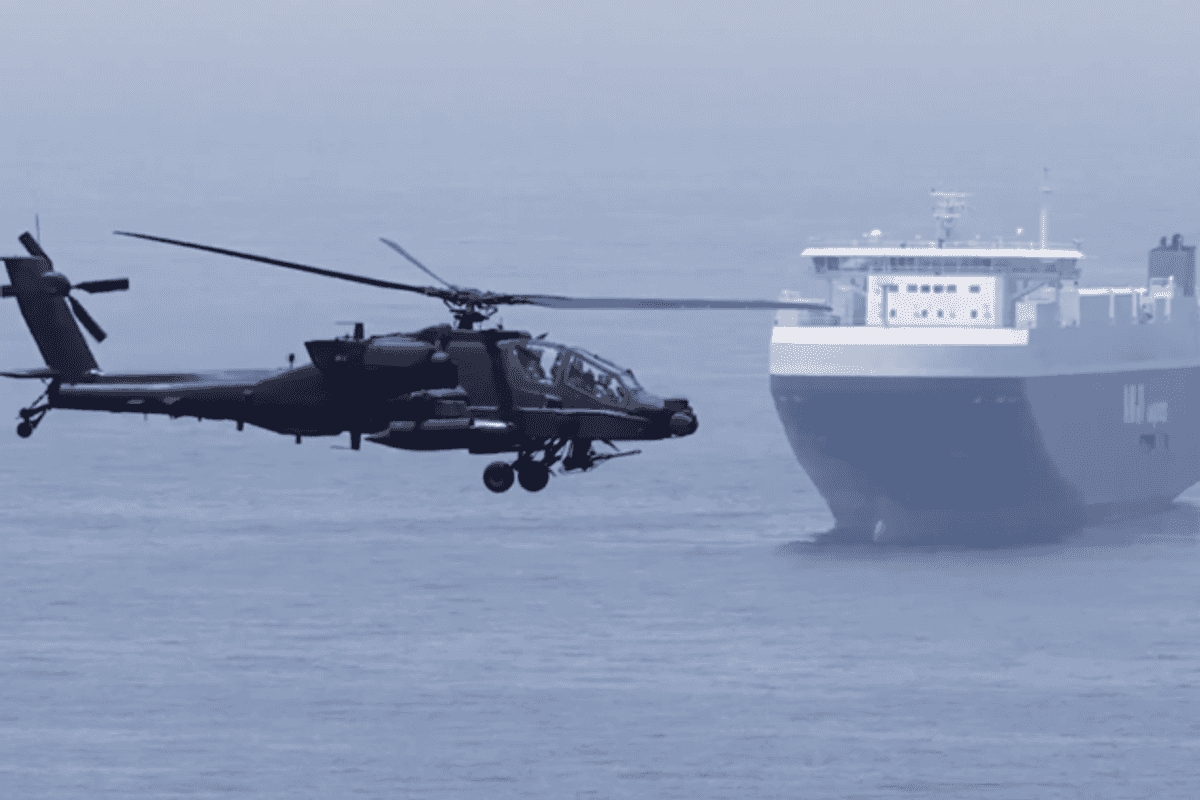
A commercial tanker and a container ship were struck by projectiles of unknown origin while transiting the Strait of Hormuz on Tuesday, October 13, the British maritime security agency UKMTO reported, signaling continued danger for commercial shipping along the world's most critical energy transit artery.
What details were released regarding the latest vessel strikes in the Strait of Hormuz?
According to security advisories issued by the United Kingdom Maritime Trade Operations (UKMTO), the two commercial vessels—one tanker and one container ship—were targeted in separate projectile strikes within the strait. The agency confirmed that maritime authorities have launched formal investigations into both incidents, though initial advisories did not immediately specify the extent of structural damage or confirm whether any crew members sustained casualties.
UKMTO advised all commercial ships navigating the corridor and adjacent Gulf waters to exercise extreme caution, maintain enhanced vigilance, and immediately report any suspicious vessel movements or incoming aerial threats.
The attacks follow an intense surge in maritime security breaches across the waterway. Just 24 hours earlier, the Islamic Revolutionary Guard Corps (IRGC) Navy claimed responsibility for striking an outbound supertanker that caught fire after allegedly turning off its automatic identification system (AIS) transponders and disregarding naval warnings. Maritime tracking registries note that more than a dozen commercial vessels have faced projectile, missile, or drone interference around the strait over the past week alone.
How is the maritime confrontation impacting Gulf shipping and global energy supply?
The recurring strikes reflect the protracted conflict that began in late February 2026, when joint US and Israeli strikes against Iranian facilities prompted Tehran to assert operational control over the Strait of Hormuz and enforce a naval blockade against unauthorized commercial navigation. The United States military responded by establishing a counter-blockade against Iranian commercial ports and organizing naval escort missions for merchant vessels through the Gulf.
The persistent maritime risk has severely disrupted global energy logistics. With commercial operators forced onto longer alternative routes around Africa or facing historic supertanker charter rates exceeding $1 million per day, investment analysts, including JPMorgan, have warned that an acute shortage of available tankers is triggering a major global supply shock.
According to Gulf News and Anadolu Agency, multinational naval coalitions and regional maritime information centers maintain a "severe" threat rating across the Persian Gulf, with shipping firms weighing further transit suspensions.





Comments
See what people are discussing