

UAE and US researchers develop molecule targeting Parkinson’s progression
Researchers say SK-129 crossed blood-brain barrier and reduced disease-related brain damage

Dubai Desk
The Dubai Desk reports on major developments across the UAE, covering news, culture, business, and social trends shaping the region.
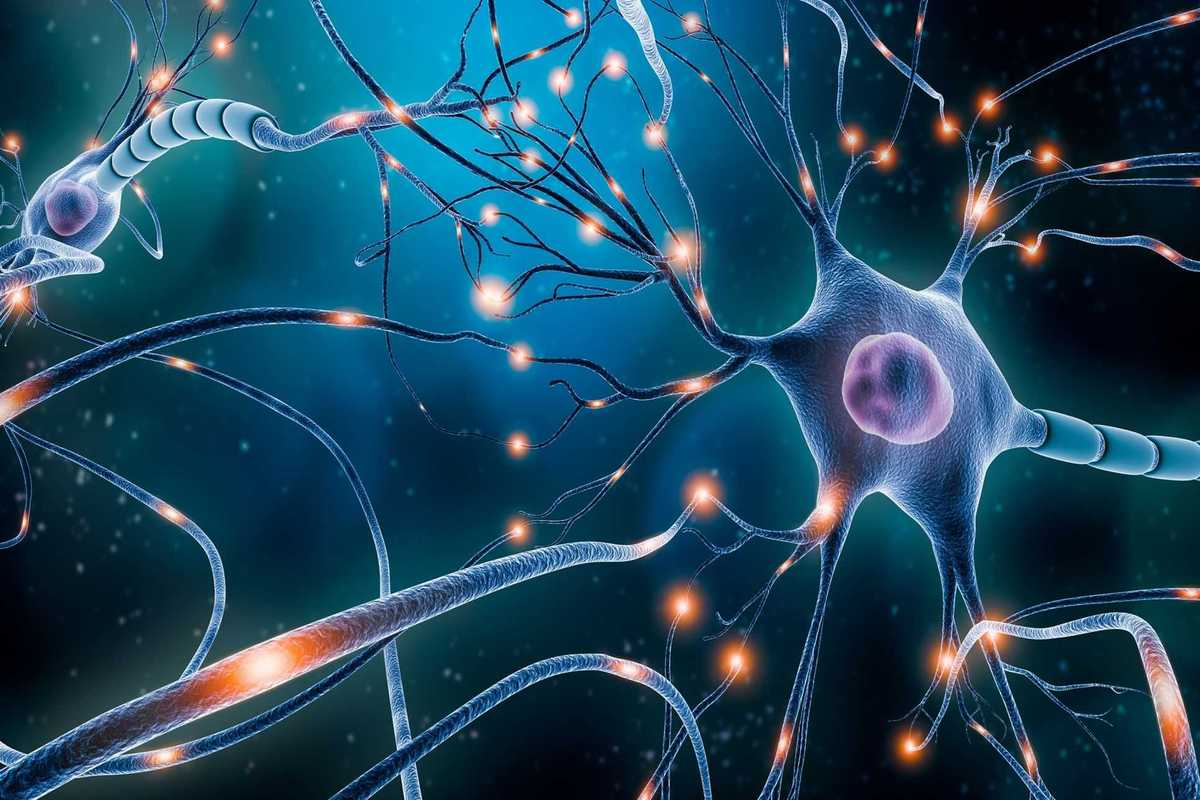
Researchers say SK-129 works by preventing proteins from clumping together and spreading in the brain.
Courtesy: WAM
Researchers at New York University Abu Dhabi and the University of Denver say they have developed a small molecule that could help slow or halt the progression of serious brain diseases, including Parkinson’s disease.
The findings were reported Thursday by the Emirates News Agency, also known as WAM.
According to WAM, the study was published in the journal Science Translational Medicine. The research was led by the Magzoub lab at NYU Abu Dhabi and the Kumar lab at the University of Denver, along with international collaborators.
The team identified a small molecule known as SK-129. It is designed to block harmful protein buildup in the brain, which is associated with neurodegenerative diseases.
Researchers said SK-129 works by preventing proteins from clumping together and spreading in the brain. Such buildup is linked to the progression of disorders such as Parkinson’s disease, a neurological condition that affects movement and worsens over time.
The molecule was tested across a range of disease models, including human cells, patient-derived tissue and living organisms, according to WAM.
In all cases, the researchers reported that SK-129 reduced harmful effects linked to the disease.
The study also found that SK-129 can cross the blood-brain barrier, a protective layer that often blocks drugs from reaching the brain. This barrier has long posed a challenge for the development of treatments targeting neurological disorders.
In mouse models, the molecule significantly reduced the development of disease-related brain damage, the researchers said.
“This is an important step toward developing treatments that target the root cause of these diseases,” said Mazin Magzoub, associate professor of biology at NYU Abu Dhabi and co-lead author of the study.
“Instead of only treating symptoms, we are working toward slowing or stopping the disease itself,” he said.
The researchers said their work offers potential for therapies aimed at modifying disease progression rather than focusing solely on symptom management.
No timeline for clinical trials in humans was provided in the WAM report.
Parkinson’s disease affects millions of people worldwide and currently has no cure. Existing treatments primarily focus on managing symptoms rather than preventing disease progression.
The study’s publication in a peer-reviewed journal marks a step in ongoing international efforts to develop new approaches for treating neurodegenerative disorders.





Comments
See what people are discussing