


News Desk
The News Desk provides timely and factual coverage of national and international events, with an emphasis on accuracy and clarity.
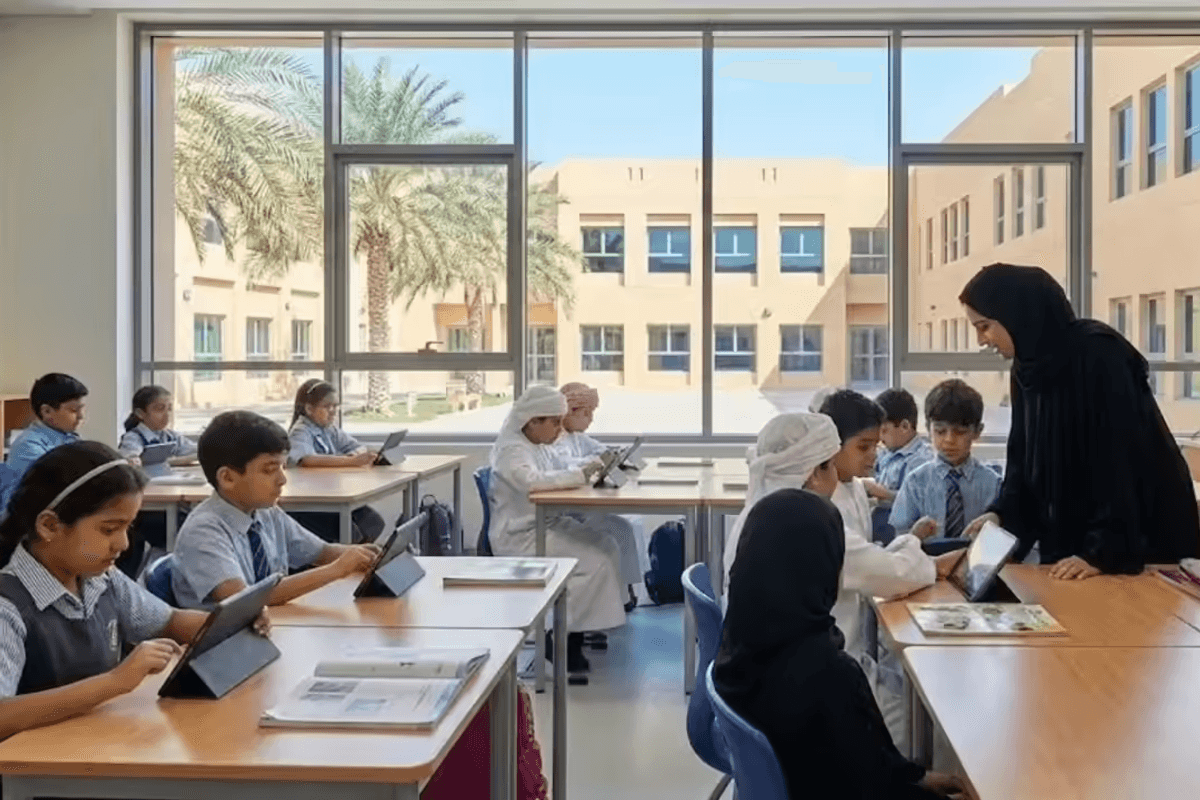
Schools are offering monthly instalment options, sibling discounts, fee freezes and waived transport charges during remote learning periods.
Via TOI
Schools across the UAE are introducing flexible payment plans, fee freezes and discounts to support families under financial pressure in 2026, Khaleej Times reported.
Job losses, salary cuts and broader economic uncertainty linked to regional tensions have strained household budgets. Institutions including GEMS Education and Woodlem Education are among those offering structured relief measures, in line with KHDA guidelines.
How are UAE schools helping parents with school fees?
Schools are offering monthly instalment options, sibling discounts, fee freezes and waived transport charges during remote learning periods. Families are encouraged to approach schools early if they face difficulties, with most institutions assessing cases individually. Several school groups have frozen tuition fees for multiple consecutive years to ease the burden on families.
The issue gained wider public attention after celebrity radio host Kris Fade shared a video highlighting his frustration over how a school communicated a pending fee issue involving his daughters. Fade said the school issued a suspension warning over unpaid Term 3 fees, though he clarified that earlier terms had already been paid.
His concern, he stressed, was not about the payment itself but about the tone of communication. The episode struck a chord with parents across the UAE managing job insecurity, unpaid leave and rising living costs.
What flexible payment options does GEMS Education offer?
GEMS Education Group CEO Dino Varkey said the focus remains on "continuity, stability, and the wellbeing of students" while supporting families through financial challenges. Families at GEMS schools can access monthly instalment options and, in certain cases, additional internal assistance programs.
Varkey said each case is assessed individually, adding that "open communication and constructive dialogue are essential in reaching practical and workable solutions."
He described the group's approach as handling matters with "empathy, discretion, and understanding" while maintaining academic and operational standards. Schools, he noted, maintain ongoing dialogue with parents and provide tailored payment arrangements designed to ease short-term pressures without disrupting a child's education.
How do other Dubai schools structure their fee payments?
Woodlem Education CEO Asmal Ahmed said the group avoids large upfront tuition demands by embedding monthly instalment plans directly into its payment system. "This system is designed to make fee payments more practical and convenient for families," Ahmed said. The approach is intended to ensure uninterrupted schooling while reducing household financial strain.
At Swiss International Scientific School Dubai, Finance Manager Femees Vala Kettil said families facing difficulty are encouraged to engage proactively with the school. She said institutions work closely with parents to create flexible instalment plans, often through direct meetings or calls. She also noted that delays in payments can affect administrative processes such as report cards, student transfers and re-enrolment.
What is KHDA's position on UAE school fees?
Dubai's education regulator, the Knowledge and Human Development Authority, stresses both transparency and financial accountability from schools. The KHDA states that tuition fees remain payable for any period during which the service was available and delivered, including through distance learning or other approved alternative methods.
Schools are permitted, but not required, to offer discounts or flexible payment plans, subject to KHDA approval, and any fee reduction must follow the regulator's processes.
The broader context is one of sustained pressure on families, with reports indicating a trend of students moving to more affordable schools or leaving the country altogether. Schools, for their part, say they must balance empathy with operational needs, including staff salaries, campus maintenance and the uninterrupted delivery of education.





Comments
See what people are discussing