

US 30-year Treasury yield tops 5% for first time since 2007 as inflation pressures rise
Rising energy costs and producer prices drive borrowing costs higher and lift rate expectations

Business Desk
The Business Desk tracks economic trends, market movements, and business developments, offering analysis of both local and global financial news.
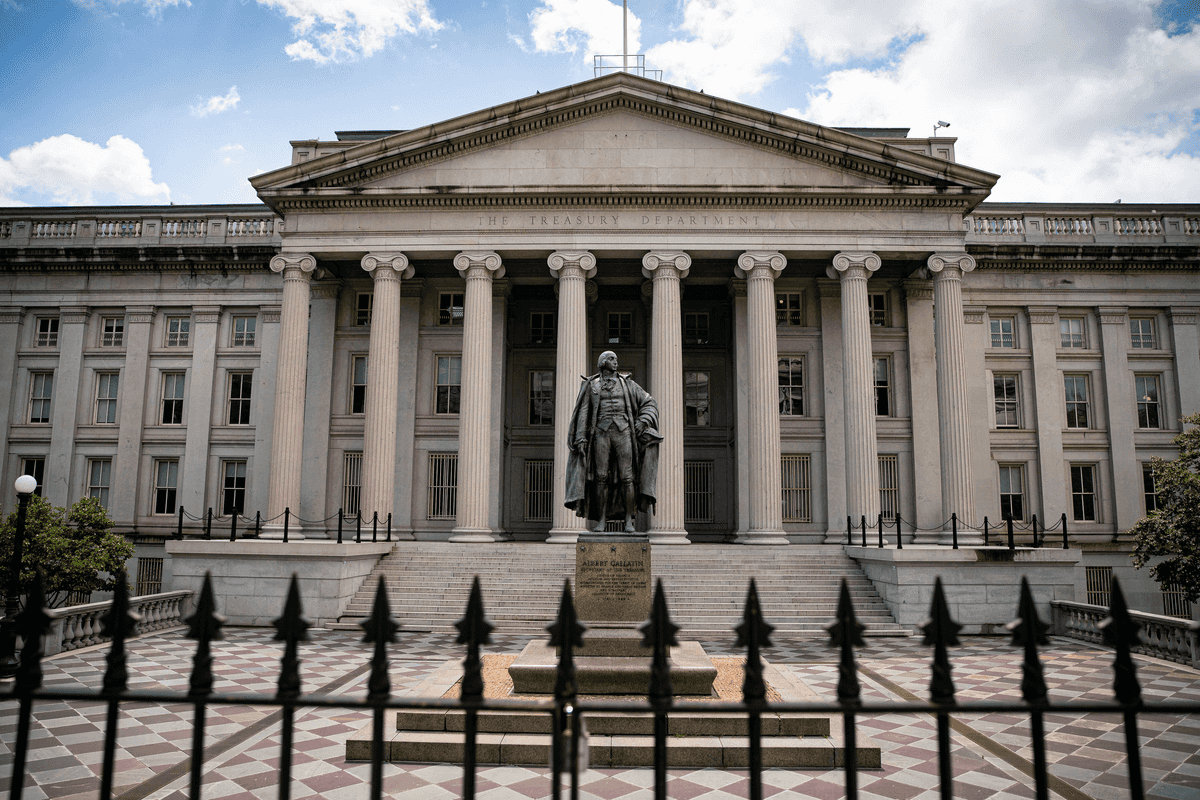
The United States sold 30-year Treasury bonds at a yield above 5% for the first time since 2007 as inflation pressures intensified amid rising energy costs linked to global supply disruptions, according to the Financial Times.
The Treasury Department issued USD 25 billion in new 30-year bonds on Wednesday, with the highest yield at auction reaching 5.046%, the report said. Long-term borrowing costs rose as investors demanded higher returns in response to accelerating inflation data.
Government figures released Wednesday showed wholesale prices jumped 6% in April, the sharpest increase since 2022, according to the U.S. Bureau of Labor Statistics. The increase in producer prices has fueled concerns that consumer inflation could continue to climb in the coming months.
U.S. consumer inflation rose to a three-year high of 3.8% in April, while core producer inflation, which excludes food, energy and trade services, increased to 4.4% from 3.7% in March.
Energy prices have been a key driver of the inflation surge following disruptions to global oil flows. Fuel costs have risen sharply after the closure of the Strait of Hormuz, a critical shipping route for global oil supplies. U.S. gasoline prices have climbed more than 50% to USD 4.51 per gallon, while diesel has increased to USD 5.66, near record levels.
“Financing the debt is getting much more expensive,” said Ed Al-Hussainy, portfolio manager at Columbia Threadneedle, according to the Financial Times.
Analysts warned that rising fuel costs are filtering through the broader economy. “Everything that you buy is going to end up on a truck somewhere, and those trucks have to run mostly on diesel,” said Brett Ryan of Deutsche Bank. “You’re seeing the broad-based influence of energy across the economy. It’s not looking to be a fun summer for U.S. consumers,” he added.
Susan Collins, president of the Federal Reserve Bank of Boston, said she could envision a scenario requiring higher interest rates to contain inflation, the report said.
Markets responded by increasing expectations of a U.S. rate hike by April 2027 to 80%, up from 56% earlier in the week.
Economists said the latest data suggests continued inflationary pressure in the pipeline. Joseph Brusuelas, chief economist at RSM, said the figures indicate “pressure in the pipeline” and warned it could take months for inflation to peak.
EJ Antoni, an economist at The Heritage Foundation, said higher energy prices were spilling into other parts of the economy and that most prices could continue rising even if fuel costs stabilize, according to the Financial Times.
Separate Energy Department data showed larger-than-expected withdrawals from crude and gasoline inventories last week, adding further pressure to fuel markets, while distillate stocks, including diesel, rose slightly.





Comments
See what people are discussing