

US bypasses Congress to approve $8.6B in arms sales to Middle East allies
Trump administration bypassed congressional review to approve $8.6 billion in military sales to Israel, Qatar, Kuwait and the UAE

News Desk
The News Desk provides timely and factual coverage of national and international events, with an emphasis on accuracy and clarity.
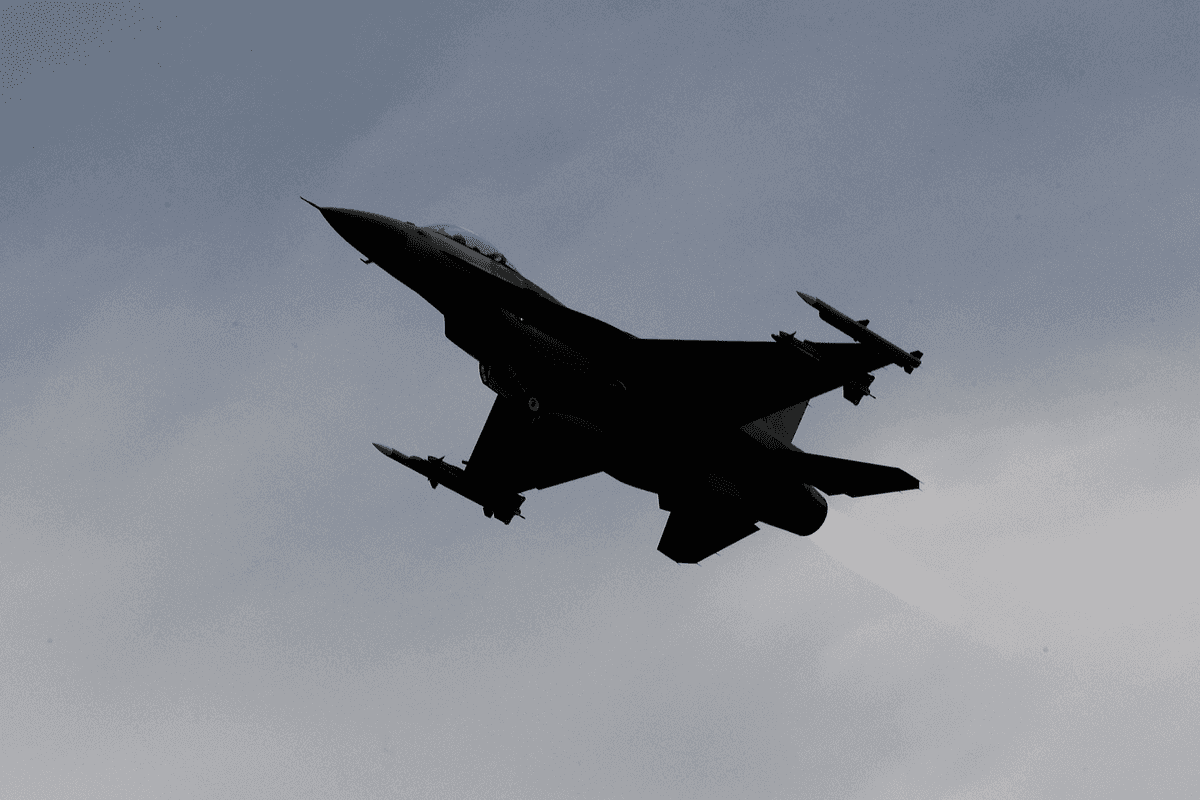
A F-16 fighter jet takes off during a military drill at Zhi-Hang Air Base in Taitung, Taiwan January 30, 2018.
Reuters/File
Trump administration bypassed congressional review to approve $8.6 billion in military sales to Israel, Qatar, Kuwait and the UAE
The United States has approved more than $8.6 billion in military sales to Israel, Qatar, Kuwait and the United Arab Emirates, bypassing the standard congressional review process, Reuters reported.
Secretary of State Marco Rubio invoked an emergency determination to waive oversight requirements. The State Department announced the approvals on Friday, nine weeks into the U.S.-Israel campaign against Iran.
Why did the US bypass congressional review for these arms sales?
The Trump administration bypassed Congress after Secretary of State Marco Rubio formally determined that an emergency existed requiring immediate approval.
This emergency declaration allowed the State Department to waive the standard congressional notification period. The move fast-tracked over $8.6 billion in military sales to four Middle Eastern allies without legislative oversight.
What weapons were approved in each country deal?
Qatar received the largest package, cleared for Patriot air and missile defense replenishment services worth $4.01 billion and Advanced Precision Kill Weapon Systems (APKWS) valued at $992.4 million. Kuwait was approved for an integrated battle command system worth $2.5 billion. Israel received APKWS worth $992.4 million, and the UAE was authorized to acquire APKWS worth $147.6 million.
The principal contractors identified by the State Department include BAE Systems for the APKWS sales to Qatar, Israel and the UAE. RTX and Lockheed Martin were named for the Patriot systems and Kuwait's command system. Northrop Grumman was also listed as a principal contractor in the Kuwait deal.
What is the regional context behind the approvals?
The approvals follow U.S. and Israeli strikes on Iran on 28 February, which prompted retaliatory Iranian attacks targeting Israel and Gulf states hosting U.S. forces. The exchanges have contributed to widespread regional instability, with thousands reported killed and millions displaced across multiple conflicts, including Israeli operations in Lebanon. The sales were announced more than three weeks after a fragile ceasefire took effect.
What scrutiny do US arms sales to Gulf states face?
Washington's arms relationships with Kuwait, the UAE and Qatar have long faced scrutiny from human rights organizations. Critics have raised concerns over restrictions on civil liberties, treatment of minorities, journalists, migrant laborers and LGBTQ communities. The governments involved have consistently denied allegations of systemic abuses.
How does US military support for Israel factor in?
U.S. military support for Israel remains under international scrutiny, particularly in relation to Israel's ongoing campaign in Gaza. The campaign has resulted in heavy civilian casualties, a severe humanitarian crisis and accusations of genocide from some scholars and a United Nations inquiry.
Israel rejects these allegations, stating its actions are in self-defense following the October 2023 Hamas-led attack that killed around 1,200 people.
Despite growing criticism, Washington has continued to affirm its defense partnerships across the region.





Comments
See what people are discussing