

US considers $20 billion ‘cash-for-uranium’ deal with Iran
Talks center on uranium stockpile and frozen Iranian funds as mediators push toward draft agreement

News Desk
The News Desk provides timely and factual coverage of national and international events, with an emphasis on accuracy and clarity.
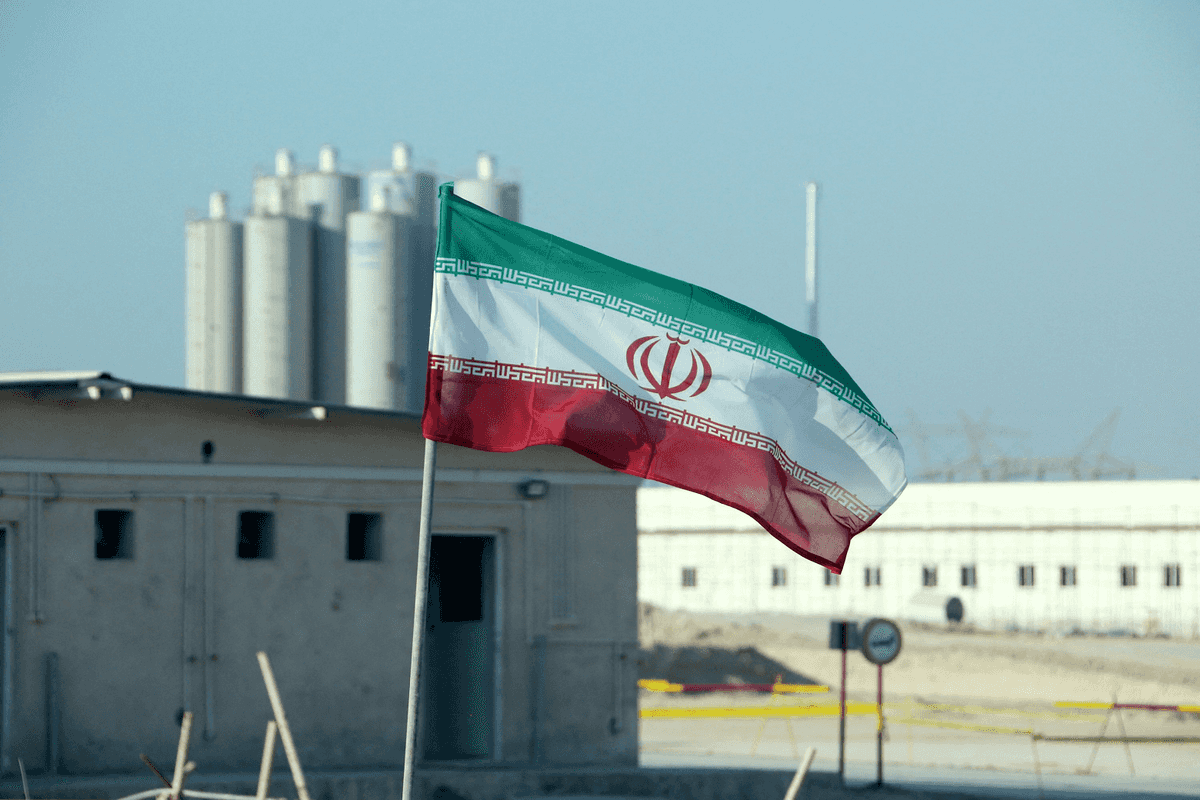
The United States and Iran are negotiating over a three-page plan aimed at ending the war, with one proposal under discussion involving the release of $20 billion in frozen Iranian assets in exchange for Iran giving up its stockpile of enriched uranium, according to two U.S. officials and two other sources briefed on the talks cited by Axios.
The sources said the arrangement is part of broader negotiations over how to de-escalate tensions and address Iran’s nuclear program. One U.S. official described the cash-for-uranium idea as “one of many discussions.”
The talks also involve restrictions on Iran’s nuclear capabilities and financial access. Earlier proposals reportedly included $6 billion in humanitarian funds, while Iranian negotiators sought $27 billion. The latest figure under discussion is $20 billion, according to the sources.
The negotiations are focused in part on Iran’s stockpile of nearly 2,000 kilograms of enriched uranium, including about 450 kilograms enriched to 60% purity, which is close to weapons-grade levels. U.S. officials have said a top priority is ensuring Iran cannot access or expand that stockpile.
Iran, meanwhile, has emphasized access to funds and relief from financial restrictions.
President Donald Trump said Thursday that U.S. and Iranian negotiators are likely to meet this weekend for a second round of talks to try to finalize an agreement.
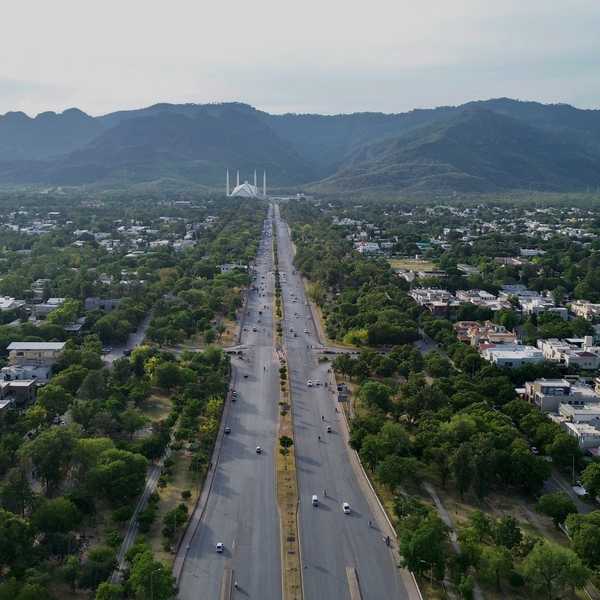
The talks are expected to take place in Islamabad on Sunday, according to a source familiar with the mediation effort. Pakistan is mediating the negotiations, with behind-the-scenes support from Egypt and Turkey.
On Friday, Pakistani, Egyptian and Turkish mediators are scheduled to hold a “quad” meeting with Saudi officials on the sidelines of a diplomatic forum in Turkey, focusing on efforts to broker a deal.
The three-page memorandum of understanding under discussion also includes proposals for a “voluntary” moratorium on Iranian nuclear enrichment. The U.S. has pushed for a 20-year halt, while Iran has countered with five years, with mediators still trying to close the gap.
The draft also allows Iran to maintain nuclear research reactors for medical isotope production but requires all nuclear facilities to remain above ground. Underground facilities would stay out of operation.
Discussions also include what would happen to Iran’s uranium stockpile. The U.S. initially sought full transfer of all material to the United States, while Iran agreed only to down-blending within the country. A compromise proposal under discussion would send some material to a third country, while the rest would be down-blended under international monitoring.
The memorandum also addresses the Strait of Hormuz, though sources said significant gaps remain. It is unclear whether the text includes Iran’s ballistic missile program or its support for regional proxy groups.
Israel and Republican lawmakers in Washington have previously said such issues should be included in any broader agreement.
White House spokesperson Anna Kelly said the talks have been “productive” but emphasized the administration would “not negotiate through the press,” adding that anonymous sources “have no idea what they are talking about.”
Sen. Lindsey Graham, R-S.C., said on Fox News that Trump had spoken directly with Iranian officials and described the exchange as becoming “sporty.”
Trump said Thursday that Iran had agreed to issue “a very, very powerful statement” pledging it would not pursue nuclear weapons. He also said Iran agreed to hand over what he called “the nuclear dust,” referring to the enriched uranium stockpile.
“We are very close to making a deal. If no deal, fire resumes,” Trump said.
He added that he would consider extending the ceasefire beyond its April 21 expiration if necessary.
Officials from all sides say significant gaps remain in the negotiations, even as talks continue.


Comments
See what people are discussing