

US-Iran war cost hits USD 38bn, could rise by up to USD 3bn a month: CBO
CBO says the US Iran war cost has strained munitions stocks, while energy disruptions could lift early-2027 inflation 0.5 percentage point above its forecast

Business Desk
The Business Desk tracks economic trends, market movements, and business developments, offering analysis of both local and global financial news.
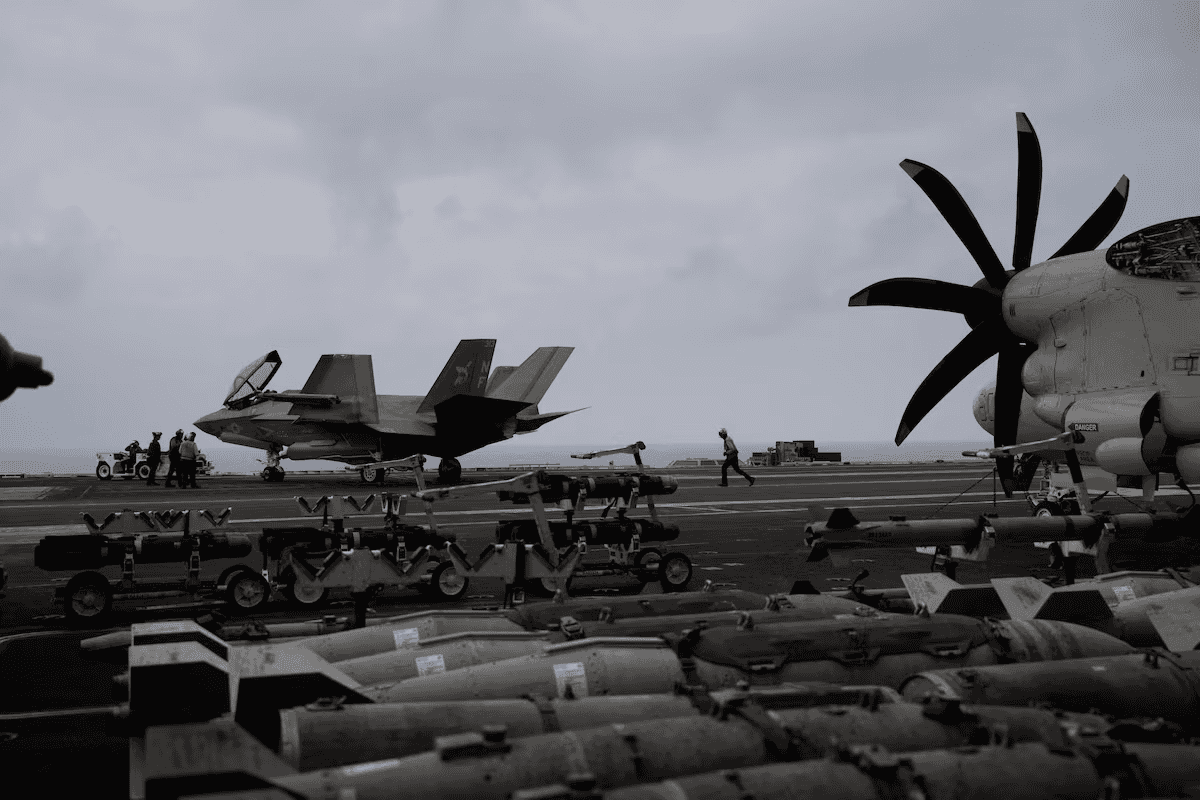
CBO estimates direct Defense Department costs at about USD 38 billion through August 1
Reuters
The US war against Iran has cost the Defense Department about USD 38 billion in direct costs through August 1, the Congressional Budget Office said, as depleted munitions and energy disruptions increase economic pressure while the Trump administration seeks to end the conflict and reopen the Strait of Hormuz.
How much has the US Iran war cost?
CBO estimates direct Defense Department costs at about USD 38 billion through August 1. Continued fighting could cost roughly USD 2 billion a month at lower levels of hostilities or about USD 3 billion if fighting returns to July’s intensity. The estimate excludes several additional costs, including borrowing expenses.
The USD 38 billion figure is close to the USD 37.5 billion estimate Defense Secretary Pete Hegseth gave at a Senate hearing on July 21.
CBO also expects inflation in the first quarter of 2027 to be about 0.5 percentage point higher than previously projected, largely because of conflict-related disruption to energy supplies.
The mounting costs have strained US munitions inventories and pushed up energy prices, while raising concerns about Washington’s ability to respond to another major conflict and adding pressure to an already stretched federal budget, Reuters reported.
Why are US munitions stocks under pressure?
CBO said the majority of the war-related costs stem from the rapid drawdown and replacement of military munitions. Replenishing some US weapons stocks could take as long as five years.
Reuters reported in August that the United States had used virtually all of its long-range precision missiles during the conflict. The report specifically cited Army Tactical Missile Systems and Precision Strike Missiles among the depleted weapons.
CBO said the Department of Defense did not cooperate with congressional financial auditors, increasing uncertainty around the accounting.
The White House later defended the administration’s actions and said the military had sufficient munitions, while the Pentagon disputed findings that US weapons stocks were inadequate.
The CBO analysis was requested by Brendan Boyle, the top Democrat on the House Budget Committee. Eighteen US service members have died in the Iran war, Reuters reported.
What costs are excluded from the CBO estimate?
The CBO estimate does not include costs associated with recent strikes on commercial vessels in the Strait of Hormuz or attacks on US military installations in the region.
It also excludes interest costs associated with borrowing to finance the war, which could add tens of billions of dollars to the overall bill.
The conflict has created broader economic pressure through energy markets. Attacks around the Strait of Hormuz and on energy infrastructure in neighboring Gulf countries have contributed to higher energy prices.
Before the war, roughly 20% of the world’s oil traveled through the Strait of Hormuz, Reuters reported.
How could the Iran war affect US military readiness?
CBO warned that shortages of critical munitions, including missile interceptors, could constrain the Pentagon’s ability to respond to another major conflict.
That includes potential hostilities involving China and Taiwan, where many of the same weapons could be required.
At his July Senate hearing, Hegseth sought nearly USD 90 billion in emergency funding legislation to replenish munitions and meet other military requirements, warning of critical shortfalls without additional funds.
The conflict has therefore generated longer-term pressure on US defense spending and military preparedness in addition to its immediate financial cost.
How is the Iran war adding to US fiscal pressure?
The conflict comes as US public finances are already under pressure. Total public debt surpassed USD 40 trillion for the first time in August, reaching USD 40.047 trillion, according to Treasury figures reported by Reuters.
CBO separately estimated that the federal budget deficit totaled USD 2 trillion during the first 11 months of fiscal 2026, USD 6 billion less than in the comparable period a year earlier.
The Trump administration has regularly contrasted the Iran conflict with the wars in Iraq and Afghanistan.
Reuters reported that the eight-year US war in Iraq cost about USD 2 trillion, while Brown University’s Costs of War project estimates the Afghanistan/Pakistan war zone cost about USD 2.3 trillion over two decades.
The CBO assessment shows that the Iran war is adding direct military spending, weapons-replacement costs and inflationary pressure as Washington seeks to end the conflict and reopen the Strait of Hormuz.




Comments
See what people are discussing