

US launches 'powerful' retaliatory strikes on Iran
US forces hit Iran with retaliatory strikes after Tehran's attack on American bases in Jordan, ending a week-long lull in the Middle East war

News Desk
The News Desk provides timely and factual coverage of national and international events, with an emphasis on accuracy and clarity.
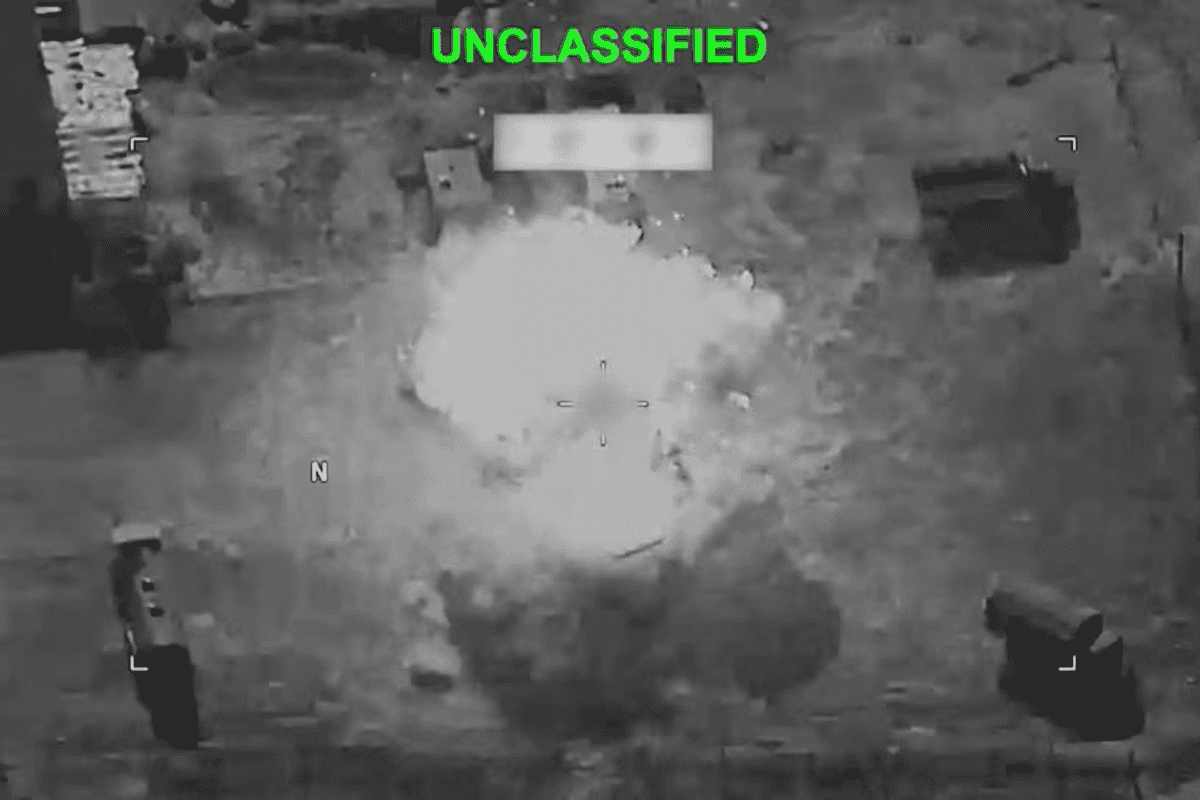
Smoke rises following explosion at an unknown location during what the U.S. military says are strikes on Iran, in this image released on July 29, 2026.
Screenshot
The United States military launched "powerful" strikes on Iran on Thursday, retaliating for Tehran's attack on US bases in Jordan. The strikes ended a nearly week-long lull in fighting and dashed hopes of a return to negotiations. The Middle East war has reignited, again drawing in Iran's regional proxies.
Why is the US military striking Iran?
The US military struck Iran in direct retaliation for an Iranian attack on American forces stationed in Jordan a day earlier. US Central Command described the strikes as "a powerful response to yesterday's attempted Iranian attacks on US forces based in the Middle East." President Trump had warned beforehand on Fox News that Washington would "hit them hard."
What happened in Iraq and Saudi Arabia?
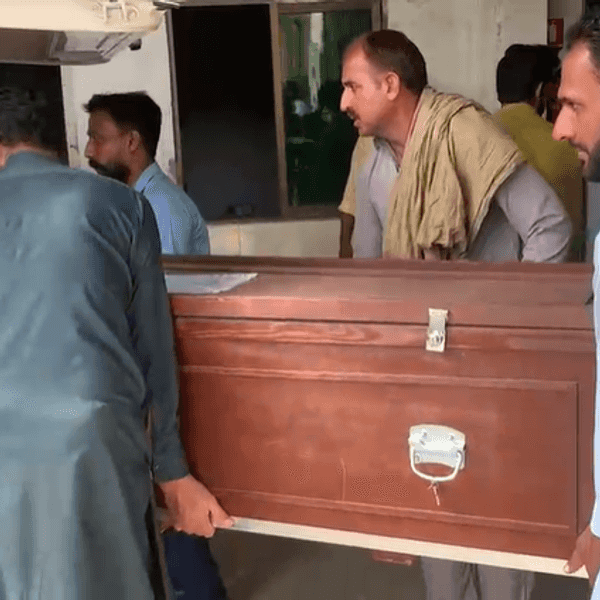
Saudi Arabia and the United States also announced joint strikes on Wednesday targeting militant bases in Iraq. The US military said the operation hit logistics and weapons sites belonging to an Iran-aligned group, following two days of Saudi-blamed drone attacks on its crude oil facilities. Iraq's Hashed al-Shaabi alliance, also known as the Popular Mobilisation Forces, said at least 20 of its members were killed, including five Iranian advisors according to two Hashed officials, with AFP correspondents witnessing coffins draped in Iranian flags.
Iraq denounced the US-Saudi strikes as a "dangerous escalation" and rejected "all acts of aggression, regardless of the party responsible." Its Ministerial Council for National Security said it would "confront any violation of Iraq's sovereignty." Trump, however, told Fox News the strikes were "coordinated with the Iraqi government," a claim that comes amid growing US pressure on Baghdad to disarm pro-Iran groups.
Is Israel involved in the strikes on Iran?
Israel has not joined the latest round of strikes against Iran, despite fighting alongside the US during the war's early weeks. It has instead focused on Lebanon, accusing Hezbollah of deploying a drone against an Israeli vehicle overnight in what the military called "a blatant violation of the ceasefire." Iran, meanwhile, launched missiles at Jordan, which intercepted five of them, while Iranian state media reported a separate US strike near the Iraq border.
How are the strikes affecting oil markets and shipping?
US stocks fell sharply on Wednesday as oil prices jumped, pushing 30-year Treasury bond yields to their highest level since 2007. The volatility centers on the Strait of Hormuz, which Iran has blockaded for much of the war despite a days-long lull meant to restart talks on the waterway's status. Iran's Revolutionary Guards said they attacked and stopped three tankers in the strait, insisting Tehran has "full control" of a route once free for transit, and have announced plans to charge passage fees that Washington opposes.
The US responded with new sanctions on entities linked to Iran's Revolutionary Guards, accused of extorting ships passing through the strait. The Hormuz closure has increased the importance of the Red Sea as Saudi Arabia's alternative export route.




Comments
See what people are discussing