

US sends more missile defenses to protect Saudi, Qatar oil and gas facilities: report
The US has sent two additional Patriot missile batteries to protect Saudi and Qatari energy sites as Trump weighs renewed military action against Iran

News Desk
The News Desk provides timely and factual coverage of national and international events, with an emphasis on accuracy and clarity.
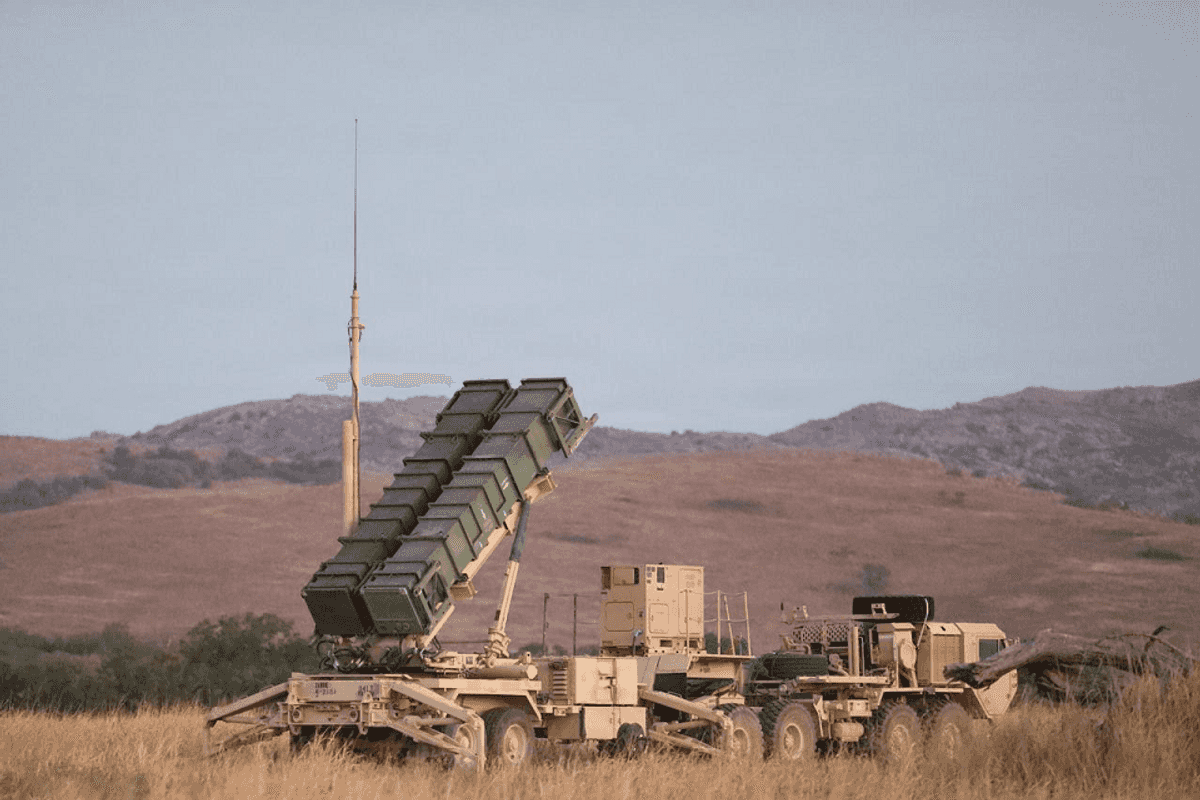
One battery went to Saudi Arabia to defend a major oil facility and the other to Qatar to protect a natural gas facility.
Photo via US Army
The United States has deployed two additional Patriot missile batteries to Saudi Arabia and Qatar to protect key oil and gas facilities, Axios reported, citing two U.S. officials and a regional source.
The move comes as President Donald Trump weighs renewed military action against Iran.
Why did the US send Patriot missile batteries to Saudi Arabia and Qatar?
One battery went to Saudi Arabia to defend a major oil facility and the other to Qatar to protect a natural gas facility. The deployments, made in recent weeks, are meant to reassure both allies that their critical energy infrastructure would be protected if Washington resumes major combat operations against Iran.
Trump said on Thursday he was considering renewed attacks in the coming weeks. He said Iran faced a choice between reaching a deal with Washington and facing further military action.
What concerns did Saudi Arabia and Qatar raise?
The deployments follow concerns raised by Saudi Arabia and Qatar in August, when Trump was considering major strikes on Iranian energy facilities. Their leaders urged him not to proceed, warning that Tehran could retaliate against oil and gas installations in their countries, according to Axios.
U.S. officials said those concerns were among the factors behind Trump's decision to hold off on a major attack and pursue economic pressure instead. Saudi cooperation could be important to any renewed U.S. campaign because Washington would need access to Saudi airspace. A spokesman for U.S. Central Command declined to comment.
What is the US military buildup in the Middle East?
The Patriot deployments are part of a broader U.S. military buildup in the region. The USS Theodore Roosevelt aircraft carrier and its strike group left San Diego on Sunday and are expected to reach the region around mid-November, a U.S. official said. It could join the USS George H.W. Bush and USS George Washington, potentially giving Washington three carrier strike groups there.
The Makin Island Amphibious Ready Group, carrying thousands of Marines from the 13th Marine Expeditionary Unit, left for the region on Monday. It is expected to arrive by the end of November.
The buildup comes as Patriot batteries and interceptors face heavy demand. The Pentagon has shifted air-defence systems from other regional commands to support operations in the Middle East, raising questions about readiness elsewhere.
How is Iran preparing for possible renewed attacks?
Iranian commanders are reviewing plans for a stronger response if Washington resumes large-scale attacks. The options include possible strikes beyond U.S.-linked facilities and against countries supporting American military operations, according to three senior Iranian officials and a person familiar with the discussions.
The planning has intensified since President Masoud Pezeshkian returned from New York last week. Two officials said Tehran had instructed allied groups in Lebanon, Yemen and Iraq to prepare for a coordinated response if Washington launches another major campaign.
Hamidreza Azizi, a senior Iran analyst at the International Crisis Group, said Tehran remained uncertain whether Trump would order a broad campaign or limit strikes to targets such as nuclear facilities. Iranian leaders, he said, appeared determined to respond more forcefully to any major U.S. attack.
Are US and Iran still negotiating?
Tehran continues to pursue negotiations despite the military preparations. Iran submitted a proposal through Qatari mediators last week, but Trump said he had rejected it. Iranian state media later reported that Washington had sent a response through Qatar that Tehran was reviewing.
The two sides remain divided over the scope of negotiations. Washington seeks to include Iran's nuclear programme, while Tehran insists its conditions must first be met.
How is the confrontation affecting Gulf energy supplies?
The confrontation has kept energy markets on alert. LNG shipments through the Strait of Hormuz rose in September to their highest monthly level since the U.S.-Israeli war with Iran began in February, according to S&P Global Energy and Kpler.
Concerns over the route remain. Some QatarEnergy-linked vessels were observed making "dark transits", switching off tracking signals before later reappearing, according to shipping data cited by Reuters.
The conflict has also disrupted Gulf energy infrastructure. Saudi Arabia recently restored operations on its East-West Pipeline and tanker loadings at Yanbu after a drone strike.




Comments
See what people are discussing