

At least 10 killed in US-Saudi strikes in Iraq
US-Saudi strikes in Iraq killed at least 10 Popular Mobilization Forces members, as tensions escalate between Washington, Riyadh and 'Tehran-backed' groups

News Desk
The News Desk provides timely and factual coverage of national and international events, with an emphasis on accuracy and clarity.
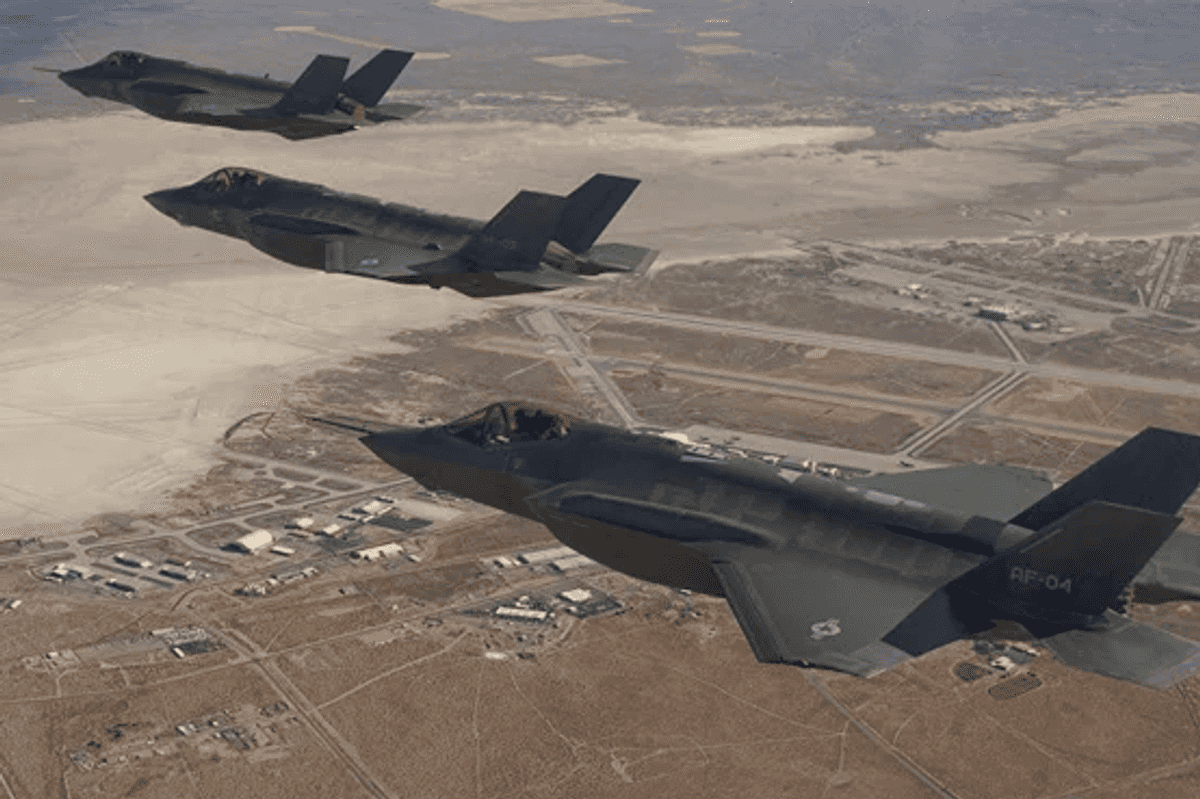
The United States and Saudi Arabia said the strikes targeted 'Iran-backed' militants in response to attacks on US forces and Saudi oil facilities.
Reuters/File
At least 10 members of Iraq's Popular Mobilization Forces were killed in US-Saudi strikes on the alliance's bases in Iraq, two PMF sources told AFP.
The United States and Saudi Arabia said the strikes targeted "Iran-backed" militants in response to attacks on US forces and Saudi oil facilities.
How many people were killed in the US-Saudi strikes in Iraq?
PMF officials said the strikes killed at least 10 fighters across several provinces, with the deadliest attack in Nineveh, where the toll was expected to rise. Injuries were also reported elsewhere. Both officials, who spoke to AFP on condition of anonymity, confirmed the initial casualty figures separately.
What has the Popular Mobilization Forces said about the strikes?
The PMF, known in Arabic as the Hashed al-Shaabi, said the strikes killed and injured personnel and caused material damage to several buildings and properties. In a statement on Wednesday, the group called the strikes a dangerous escalation and a violation of Iraq's sovereignty. It also described them as an attack on the country's official security institutions.
The PMF is an alliance of paramilitary groups formed in 2014 to fight jihadist militants and is now integrated into Iraq's armed forces. Some "Iran-backed" groups operate brigades within the PMF, although many are known to act independently of the wider alliance.
Why did the US and Saudi Arabia strike Iraq?
The strikes followed Saudi claims that its forces intercepted drones targeting oil facilities in the kingdom's eastern region. Riyadh blamed "ran-backed" groups based in Iraq for the attempted attacks. Those groups rejected the accusations as fabrications and warned Saudi Arabia against striking Iraq.
The most active pro-Iran factions operate under the Islamic Resistance in Iraq, an alliance that has backed Tehran throughout the wider Middle East conflict. The group has claimed hundreds of attacks on US bases in Iraq and the region. However, it has not claimed any attacks since hostilities between the United States and Iran resumed earlier this month.
How is Iraq responding to pressure from the US and Iran?
Iraq has long maintained ties with both Washington and Tehran, but rivalry between the two has repeatedly turned the country into a battleground for competing regional interests. This has complicated efforts by successive Iraqi governments to balance relations with both sides.
Iraqi Prime Minister Ali al-Zaidi, who took office this year with Washington's backing, has pledged to ensure pro-Iran armed groups surrender their weapons. The effort has faced resistance from several powerful factions. Zaidi visited both the United States and Iran earlier this month, amid mounting US pressure on Baghdad.



Comments
See what people are discussing