

US Senate passes sweeping Russia sanctions bill
US Senate passed a sweeping Russia sanctions bill targeting energy revenues, with tariffs up to 500 percent on Russian oil and gas

News Desk
The News Desk provides timely and factual coverage of national and international events, with an emphasis on accuracy and clarity.
The Russian Embassy in Washington condemned the legislation last month, warning it could backfire on the United States.
Reuters
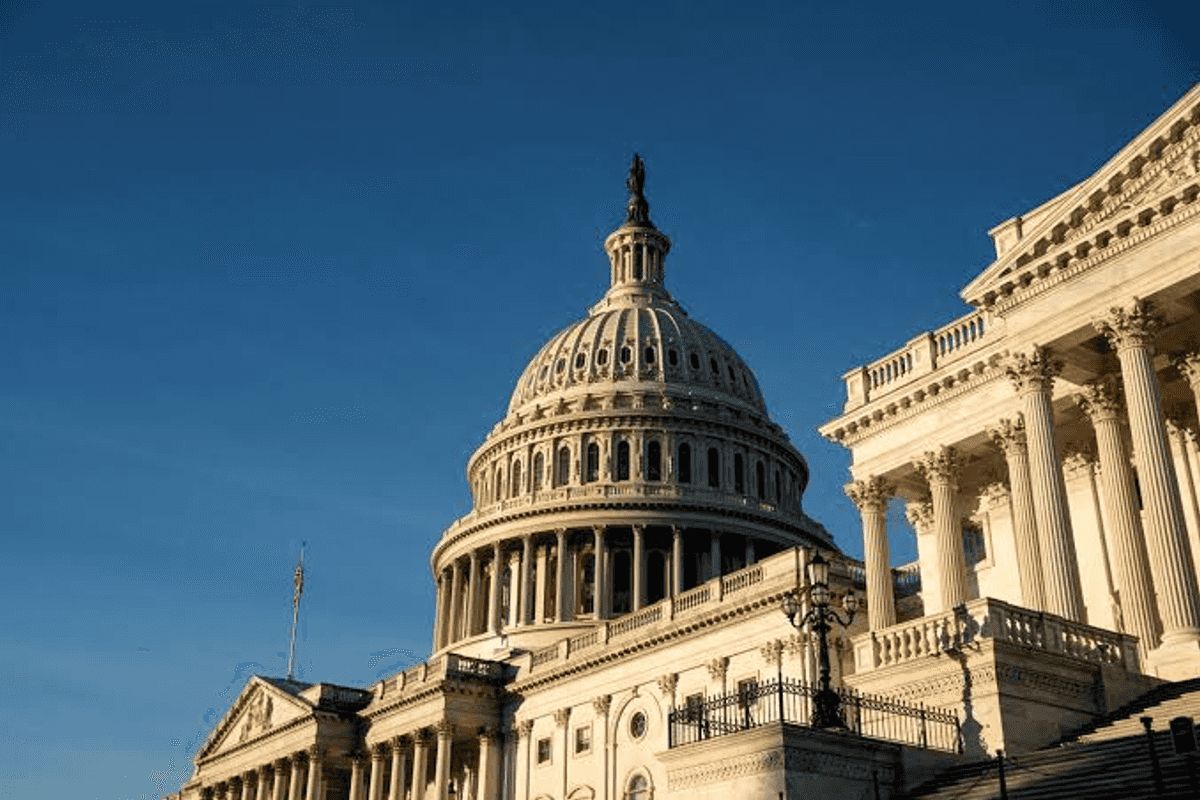
The US Senate passed a sweeping Russia sanctions bill on Friday, targeting Moscow's energy revenues with tariffs of up to 500 percent on Russian gas and oil imports.
The legislation now heads to the House of Representatives, though a vote there will not happen until at least early September due to the congressional summer recess.
What does the Russia sanctions bill do?
The bill targets Russia's energy sector with tariffs of up to 500 percent on Russian gas and oil imports, plus 100 percent tariffs on the five countries that buy the most Russian energy, including China and India. It also imposes new sanctions on President Vladimir Putin and other senior officials, and for the first time targets Russia's shadow fleet of ships used to evade Western embargoes.
"This could finally bring Russia to the negotiating table and end this conflict" between Russia and Ukraine, said Republican Jim Risch, chairman of the Senate Foreign Relations Committee. "It will make a decisive impact that goes beyond what can be achieved on the battlefield. It will cut off the flow of cash that powers Putin's war machine," he added in a Senate floor speech before the vote.
Why is the bill named after Lindsey Graham?
The bill was named in honor of Lindsey Graham, the Republican senator who died on July 11 after strongly advocating for new sanctions against Moscow over its invasion of Ukraine. The day before his death, Graham and other Republican and Democratic senators announced they had secured White House approval for sanctions on Russian hydrocarbons, measures Trump had previously blocked.
His sister, Darline Graham, who succeeded him in the Senate, said Friday the bill "hits Putin where it hurts." Democratic Senator Jeanne Shaheen, a member of the Foreign Affairs Committee, said the bill sent "Vladimir Putin an unambiguous and bipartisan message in the only language he understands: pressure."
Could the bill face problems in the House?
According to Democratic Senator Raphael Warnock, Trade Representative Jamieson Greer gave assurances that countries among the top five buyers of Russian oil and gas would no longer face penalties if they dropped to sixth place or lower in the rankings. Several House members have nevertheless expressed reservations, suggesting passage there could prove harder than in the Senate.
Democratic Representatives Gregory Meeks and Don Beyer said in a joint press release that the new tariff powers could be used by Trump without restraint, calling the version passed Friday "unacceptable." European Commission President Ursula von der Leyen welcomed the bill's passage, writing on X: "Together, let us drain Russia's means to continue a war it cannot win."
How has Russia responded to the sanctions bill?
The Russian Embassy in Washington condemned the legislation last month, warning it could backfire on the United States. Citing the war in Iran, the embassy said that with an impending energy crisis and rising gas prices ahead of the midterm elections, sanctioning Russia and its trading partners "would be extremely counterproductive for the United States."





Comments
See what people are discussing