

World Bank warns Middle East conflict is straining global markets
Rising commodity prices and supply disruptions heighten risks for emerging economies

Business Desk
The Business Desk tracks economic trends, market movements, and business developments, offering analysis of both local and global financial news.
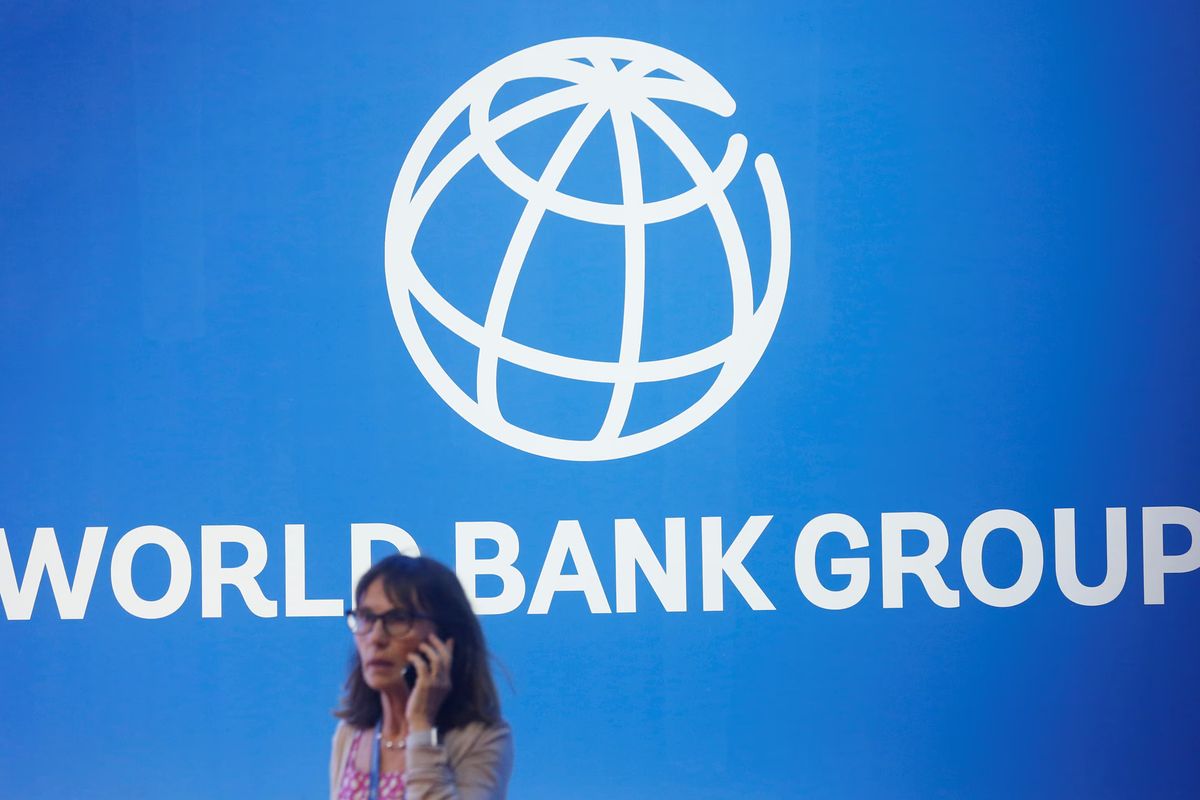
The World Bank Group says the ongoing Middle East conflict is beginning to strain global markets, driving up commodity prices, disrupting logistics and increasing risks to energy and agricultural supplies.
In a statement, the World Bank said several of its client countries in emerging markets have raised concerns as the crisis affects shipping routes and supply chains. The institution added it is working closely with governments, private sector partners and regional stakeholders to help them manage the evolving situation.
“We are closely monitoring global market developments and are in direct contact with the most affected countries to understand conditions on the ground,” the statement said.
The lender highlighted sharp increases in key commodities over recent weeks. Crude oil prices have surged by nearly 40% between February and March, while liquefied natural gas shipments to Asia have risen by almost two-thirds. Prices of nitrogen-based fertilizers also climbed by nearly 50% in March, signaling growing pressure on agricultural production.
Shipping disruptions have further compounded the problem, increasing transportation costs and spreading supply risks beyond energy to fertilizers and other essential farm inputs.
The World Bank said it is preparing a broad response to support affected economies. This includes immediate financial relief, policy guidance and private sector assistance aimed at sustaining jobs and economic growth.
“We are ready to respond at scale,” the institution said, noting it will deploy its crisis response tools, active financing portfolio and pre-arranged funding mechanisms to deliver urgent support. It also plans to shift toward fast-disbursing financial instruments to aid recovery efforts.
Through its private sector arms, the bank said it will provide businesses with liquidity, trade finance and working capital to help maintain operations during the disruption.
Despite these measures, the World Bank cautioned that the situation remains uncertain and could worsen if the conflict continues or critical infrastructure sustains further damage.
“The longer this lasts, the more challenging it will be for our clients,” the statement said, adding the institution remains committed to protecting economic progress in vulnerable countries.




Comments
See what people are discussing