

Diplomacy drives Pakistan market recovery as US-Iran talks boost outlook
Stocks rebound, yields ease and inflation expectations soften on falling oil prices

Business Desk
The Business Desk tracks economic trends, market movements, and business developments, offering analysis of both local and global financial news.
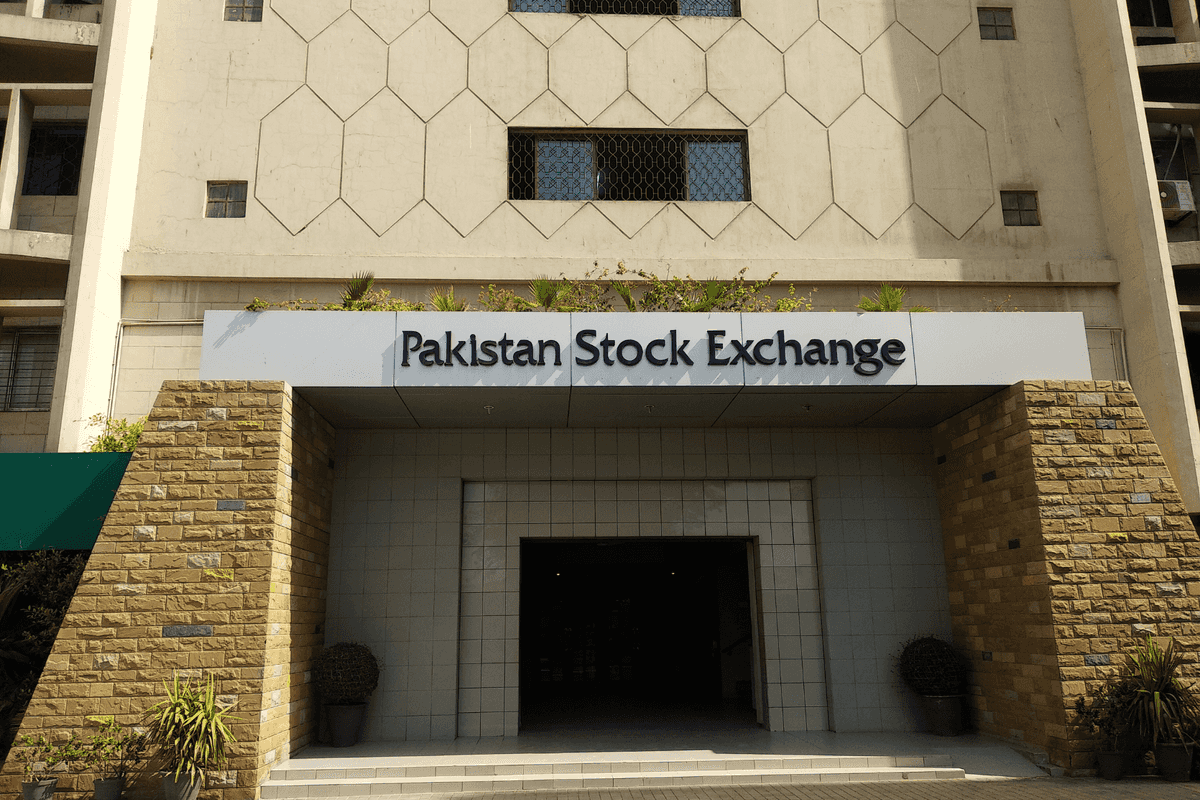
Renewed diplomatic engagement between the United States and Iran is lifting investor sentiment and stabilizing markets, according to a report by Arif Habib Limited, which points to improving macroeconomic and financial conditions after months of volatility driven by geopolitical tensions.
The brokerage said recent developments signal a “constructive turn”, with both Washington and Tehran showing willingness to continue dialogue. While no final agreement has been reached, expectations of a second round of talks have raised optimism globally and positioned Pakistan as a key mediator in the process.
Equities recover
Before tensions escalated, Pakistan’s benchmark KSE-100 index had surged to nearly 189,000 points in January. Heightened uncertainty then triggered a sharp correction to around 146,000. With diplomatic momentum building, the index has rebounded to approximately 170,000, approaching pre-crisis levels.
The recovery has been supported by gains in select stocks.
Oil and gas and industrial names such as OGDC, PPL, LUCK, HUBC and ATRL posted positive returns since pre-war levels, while others, including NBP, PSO and FFC, remain below earlier highs despite stable fundamentals. The report maintains a constructive outlook on these lagging stocks, citing potential upside if tensions continue to ease.
Global oil markets, which surged sharply during the peak of conflict, are now showing signs of reversal. Brent crude, which rose as high as $118 per barrel, has retreated to about $95, while similar declines have been observed in WTI and Arab Light crude benchmarks. The easing in energy prices is beginning to improve Pakistan’s inflation outlook.
Earlier projections had placed inflation in the mid-teens for the remainder of fiscal year 2026, alongside expectations of a 100-150 basis point interest rate hike. However, with oil prices moderating, inflation is now estimated at 11% to 12.5%, contingent on future energy trends. This shift has also altered expectations for monetary policy, with the central bank now more likely to maintain a cautious stance and keep rates unchanged if conditions remain stable.
In fixed income markets, yields that spiked during the height of tensions have begun to normalize. Treasury bill and Pakistan Investment Bond yields, which rose sharply amid risk aversion, are now easing following the ceasefire and renewed diplomatic efforts.
During the peak of geopolitical tensions, yields spiked sharply, with T-bills rising to 11.40% (3M), 11.78% (6M), and 12.09% (12M), while PIBs climbed to 12.98%, 13.04%, and 13.32% across the respective tenors.
However, following the initial ceasefire and the resumption of dialogue, yields have begun to normalize. T-bills have eased to1 1.09% (3-month), 11.39% (6-month), and 11.59% (12-month), while PIBs have moderated to around 11.95%, 12.00%, and 12.48%.
The report concludes that the near-term outlook remains positive, driven by ongoing negotiations and the likelihood of a favorable diplomatic outcome. Continued progress, it said, could further reduce oil prices, ease inflationary pressures and reinforce stability in monetary policy.



Comments
See what people are discussing