

EU leaders head for high-stakes budget showdown in race to beat 2027 French election
European Union leaders opened contentious negotiations in Brussels over the bloc's nearly two-trillion-euro 2028–2034 budget, facing deep divides between fiscal conservatives, cohesion advocates, and the looming political threat

News Desk
The News Desk provides timely and factual coverage of national and international events, with an emphasis on accuracy and clarity.
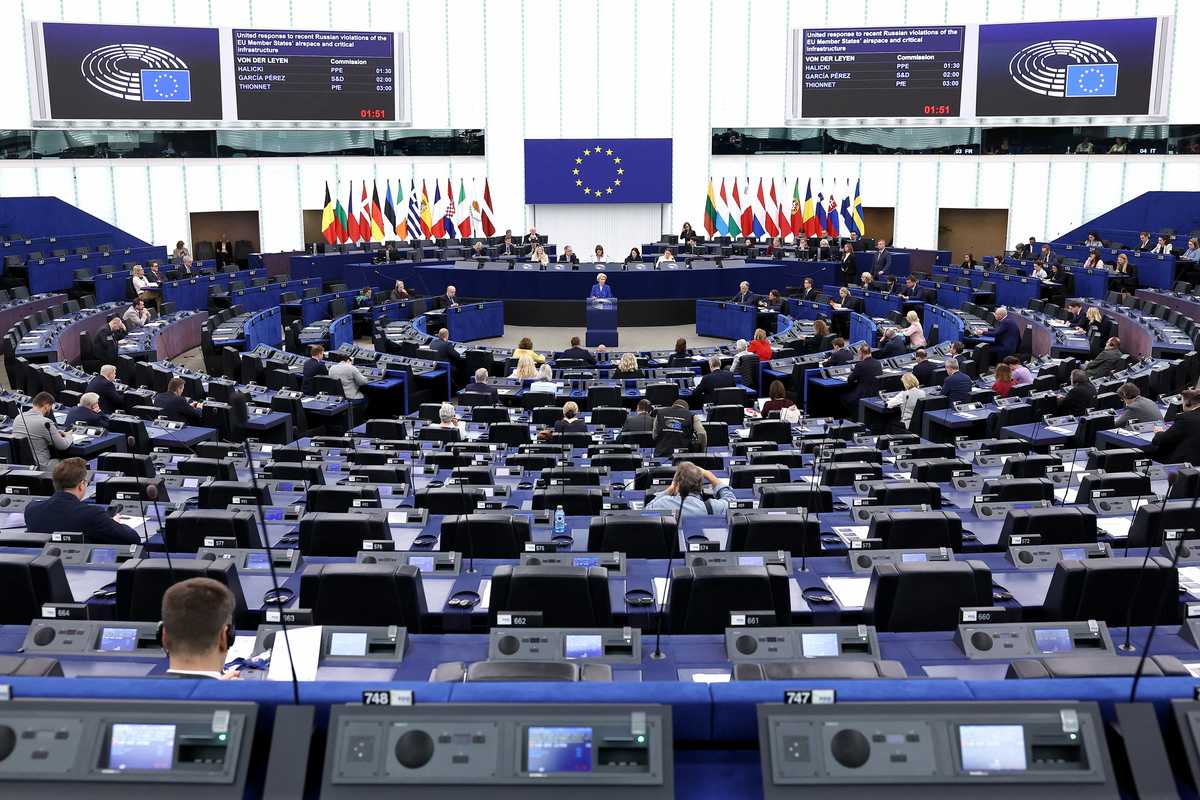
European Union heads of state and government gathered in Brussels on Thursday, October 15, for their most contentious confrontation yet over the bloc’s next long-term multiannual budget, racing against a narrowing diplomatic window before high-stakes national elections reshape European politics.
Why is the EU rushing to finalize the 2028–2034 budget ahead of 2027 elections?
EU officials and diplomats are attempting to lock in an agreement on the nearly €2 trillion Multiannual Financial Framework (MFF) before Christmas, driven by concerns that subsequent negotiations could be paralyzed by eurosceptic and nationalist electoral victories across the 27-nation bloc next year.
The primary concern centers on France, the EU’s second-largest economy, which heads to the polls in April and May 2027. Polls show far-right candidate Marine Le Pen leading the presidential race with a platform pledging to slash French financial contributions to Brussels.
Le Pen escalated pressure on the summit on Wednesday, labeling any attempt by current European leaders to adopt a seven-year spending plan before voters cast their ballots a "democratic scandal." Diplomats noted that the specter of impending elections across France, Italy, Poland, Greece, and Finland has injected urgency into the proceedings.
However, optimism for a year-end resolution has eroded; the latest draft summit conclusions watered down an earlier commitment to conclude talks "by the end of the year," calling instead for a "timely agreement." European Council President António Costa has scheduled an extraordinary summit in late November to salvage momentum and avoid pushing negotiations into mid-2027.
What are the main fault lines dividing member states over spending and taxes?
The summit faces entrenched friction among three competing blocs over the compromise blueprint tabled by Ireland, which currently holds the rotating EU presidency and proposes roughly €140 billion in spending cuts. A coalition of fiscal "frugals" led by Germany, alongside the Netherlands and Sweden, insists that the Irish proposal does not go far enough, demanding spending reductions of several hundred billion euros to align with tighter national fiscal constraints.
Conversely, the "Friends of Cohesion" group—comprising southern and eastern member states—strongly opposes cuts to agricultural subsidies and regional development funding.
In Paris, French officials have voiced resistance to broad spending reductions, arguing that Europe requires an expanded financial war chest to bolster industrial competitiveness against the United States and China, fund joint defense projects, and finance controversial external migration "return hubs" in third countries.
To fund these ambitions without increasing national transfers, France and the European Parliament are demanding substantial new EU-wide taxes targeting digital conglomerates, cryptocurrency transactions, online gambling, tobacco, and high-emission industries.
According to Politico Europe and the Financial Times, European Council leaders are bracing for protracted, late-night deliberations as Costa attempts to craft a workable compromise ahead of November's extraordinary session.





Comments
See what people are discussing