

Fitch sees lower credit risks if Hormuz reopens under US-Iran deal
Ratings agency says a temporary reopening of the Strait of Hormuz would ease market stress and weigh on oil prices, though regional risks remain elevated

Business Desk
The Business Desk tracks economic trends, market movements, and business developments, offering analysis of both local and global financial news.
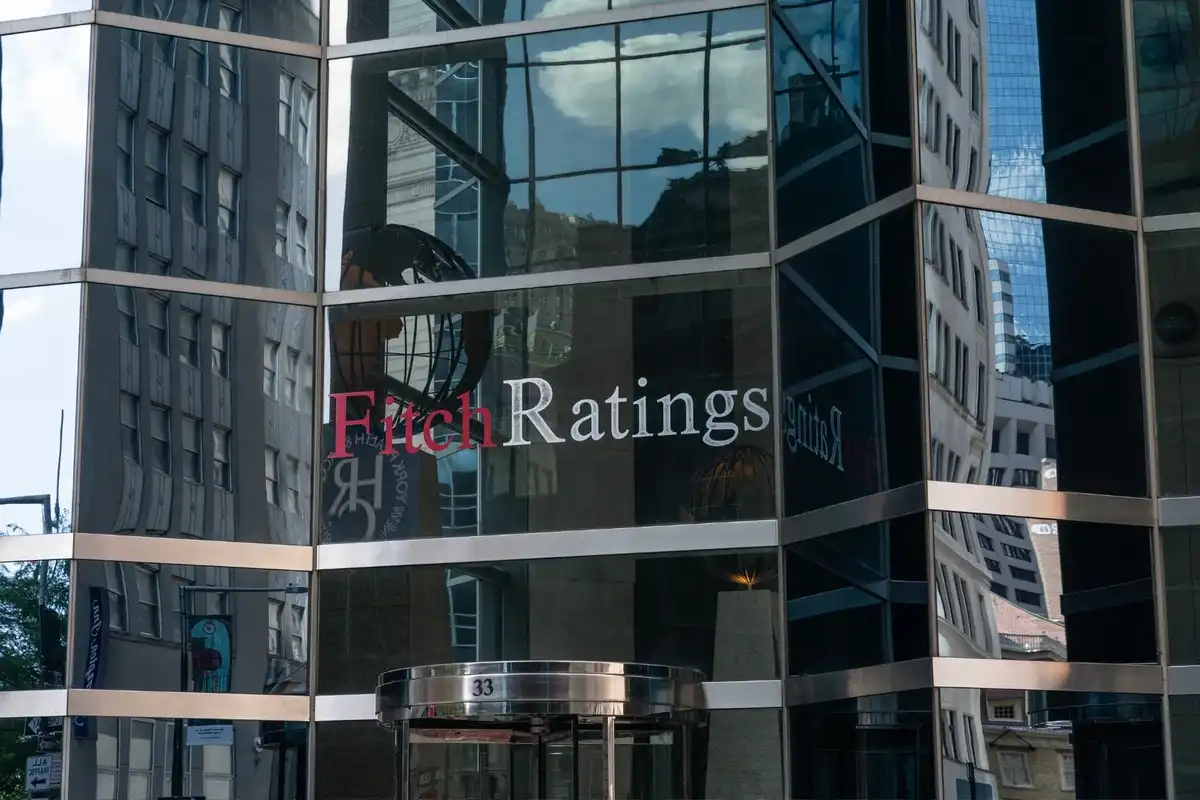
A reported agreement between the United States and Iran to extend a ceasefire and reopen the Strait of Hormuz in June would result in the waterway reopening slightly earlier than Fitch Ratings had anticipated.
While Fitch still sees a high risk that the strait may not reopen immediately or that instability could persist, even a temporary reopening would significantly reduce the more severe credit risks posed by the conflict.
The ratings agency cautioned that the deal, reportedly scheduled to be signed on June 19, may still fail to be signed or implemented. However, pressure on both sides to conclude the agreement is likely to increase. Political opposition in both the United States and Iran could also intensify as details of the proposed deal become clearer.
It remains unclear what role Israel would play under the agreement. Any commitments involving Israel could become an obstacle if Israeli authorities are unwilling to adhere to them.
Fitch said the medium-term outlook for the Gulf region remains uncertain even if the agreement is signed. The geopolitical environment was already fragile before the conflict, and the war is likely to usher in a period of heightened regional security risks.
The agency said it is still unclear how the conflict will affect business environments and demographic trends across countries impacted by the war. It also warned that further political instability in Iran after the conflict could have significant spillover effects on regional credit conditions.
Fitch expects Iran’s nuclear programme and capabilities to remain a source of tension in its relations with the United States and Israel. The agency believes further U.S. or Israeli military action against Iran remains likely, although it is less certain whether such actions would trigger another escalated regional conflict, including a renewed closure of the Strait of Hormuz.
According to Fitch, domestic political constraints on further U.S. action could ease after the November 2026 midterm elections, particularly if new energy infrastructure reduces perceptions of Iran’s ability to disrupt hydrocarbon exports from the region or if Washington concludes that Tehran has failed to meet its commitments under the proposed agreement.
Fitch expects the global oil market to return to oversupply within about a month if the strait is fully reopened and regional production returns to normal levels over several weeks. Maritime traffic through the waterway would also be expected to normalize.
The agency noted that there appears to have been no material damage to regional oil infrastructure during the conflict. As a result, it expects a rapid recovery in Middle Eastern oil production, supported by strong non-OPEC supply growth and the possibility of OPEC increasing output toward maximum production capacity.
These factors are expected to put downward pressure on oil prices despite a lingering geopolitical risk premium.
Fitch said this supports its view that oil prices will decline during the second half of 2026, with Brent crude averaging USD70 per barrel in the fourth quarter and USD87 per barrel for the full year. With the prospect of an earlier reopening of the Strait of Hormuz, risks to its USD87-per-barrel forecast for 2026 are tilted to the downside.
Although global oil inventories have been drawn down sharply in recent months, Fitch noted that stockpiles were exceptionally high before the conflict began and that replenishment can occur gradually.
The agency added that even a temporary reopening of the strait would allow countries to rebuild inventories of hydrocarbons and other products critical to global supply chains. This would delay the point at which inventories fall to levels capable of causing severe stress to the global economy, thereby reducing the most extreme credit risk scenarios associated with the conflict.




Comments
See what people are discussing