

Houthis accuse Saudi Arabia of deadly airstrikes in Yemen as civilian displacement surges past 130,000
Coalition airstrikes led by Saudi Arabia targeted Houthi-held areas in Yemen—killing civilians and prison inmates—as fighting escalates across four governorates and displacement forecasts reach 230,000, while US-Iranian diplomats hold rare sideline talks in New York

News Desk
The News Desk provides timely and factual coverage of national and international events, with an emphasis on accuracy and clarity.
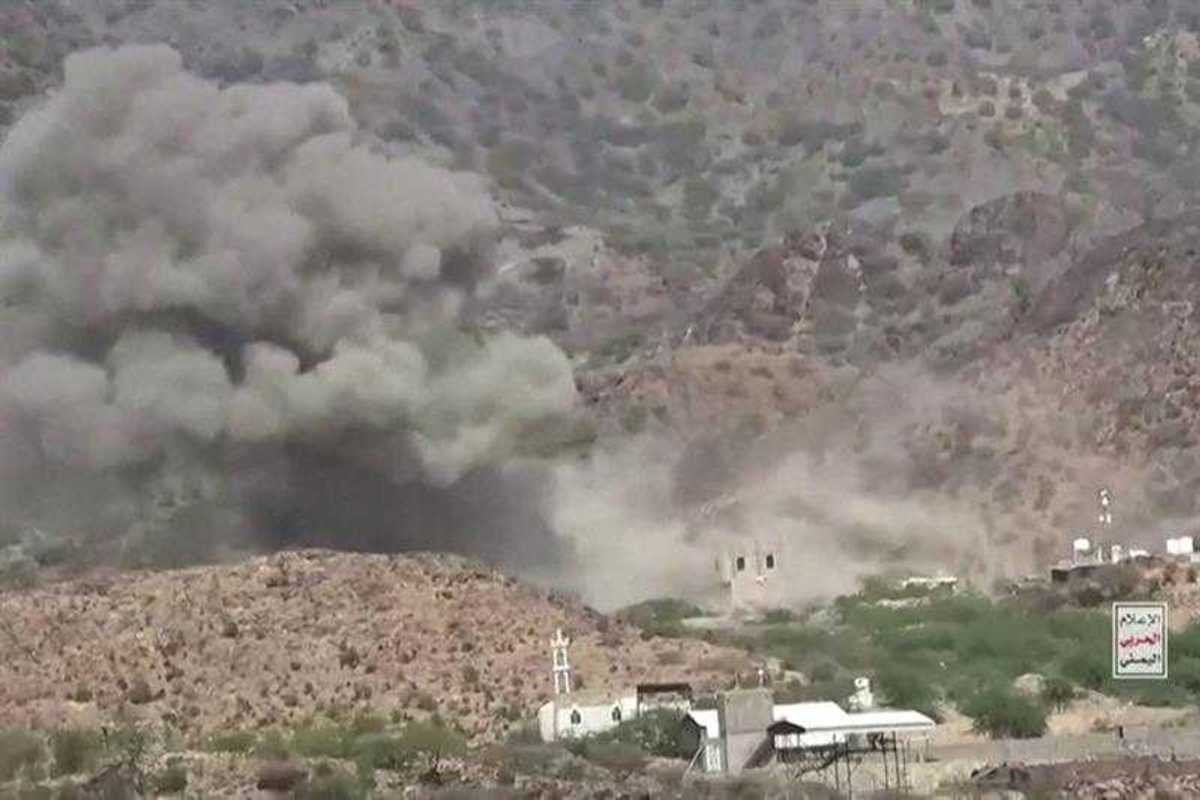
Yemen's Houthi movement accused Saudi Arabia on Tuesday of conducting a wave of deadly airstrikes across Houthi-controlled territory, killing civilians and prison inmates in retaliation for cross-border drone and missile attacks targeting Riyadh and regional oil facilities.
The military escalation has intensified humanitarian alarms as the United Nations warned that mass civilian displacement in western Yemen could swell beyond 230,000 in the coming months.
What is the casualty toll and ground situation in Yemen?
According to Houthi health officials and the Saba news agency, Saudi-led coalition airstrikes on the Red Sea port city of Mokha killed six civilians—including two children and a woman—and injured eight others.
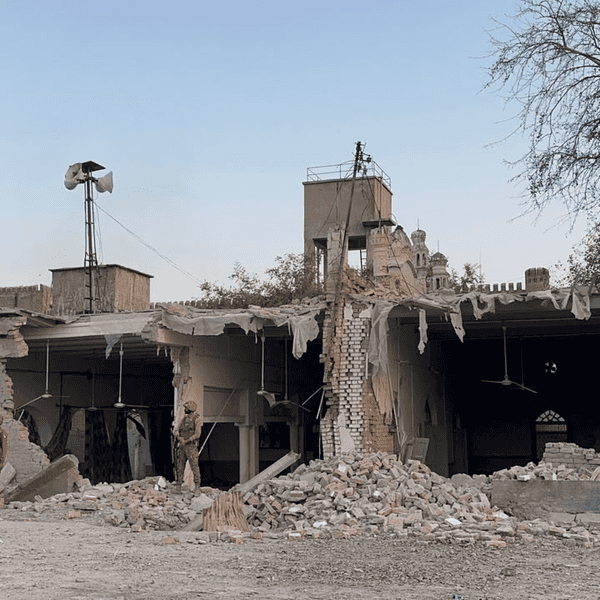
Separate strikes hit a detention facility in Yemen, killing nine inmates, while additional civilian fatalities were reported in Al-Jawf governorate. Military sources from both sides confirmed that two days of intense clashes across Taiz, Al-Jawf, Marib, and Saada killed 154 combatants and civilians.
The rapid Houthi coastal offensive along the western maritime corridor has already displaced over 130,000 people, forcing thousands of families into temporary camps near Aden and Lahj. In response to Houthi long-range strikes on Riyadh's energy infrastructure and King Khalid International Airport, Saudi Arabia's Civil Defense briefly issued air-raid alerts for southern provinces near the border. In a rare national address, Saudi King Salman branded the group a "terrorist militia" following alleged attempts to target holy sites near Mecca.
How are Western powers and G7 nations responding to the Red Sea crisis?
In a joint communique, G7 foreign ministers representing the United States, the United Kingdom, France, Germany, Italy, Canada, and Japan demanded that Houthi forces "immediately cease all military actions" and end attacks on international commercial shipping in the Bab al-Mandab Strait. The statement also called on Tehran to cease providing arms and technical support to the group.
British Prime Minister Andy Burnham agreed to provide Royal Air Force air-to-air refueling support to Saudi aircraft conducting defensive missions, while France pledged defensive assistance to help secure Saudi energy infrastructure. Concurrently, Yemeni President Rashad al-Alimi and Saudi leaders held direct consultations with Washington requesting further coalition support.
What transpired during diplomatic talks between the US and Iran in New York?
On the sidelines of the 81st UN General Assembly in New York, US Special Envoy Steve Witkoff met with Iranian Foreign Minister Abbas Araghchi to discuss de-escalation terms. According to Iranian state media IRIB, Araghchi informed the US envoy that Tehran's terms for reopening the Strait of Hormuz include "the immediate lifting of the US naval blockade, the prompt payment of all Iranian frozen assets, and an end to the war on all resistance fronts".



Comments
See what people are discussing