

Houthis target Saudi oil as new Middle East front
Yemen's Houthis say they struck Saudi oil facilities in Jizan and Yanbu, opening a new front as tensions with Iran intensify

News Desk
The News Desk provides timely and factual coverage of national and international events, with an emphasis on accuracy and clarity.
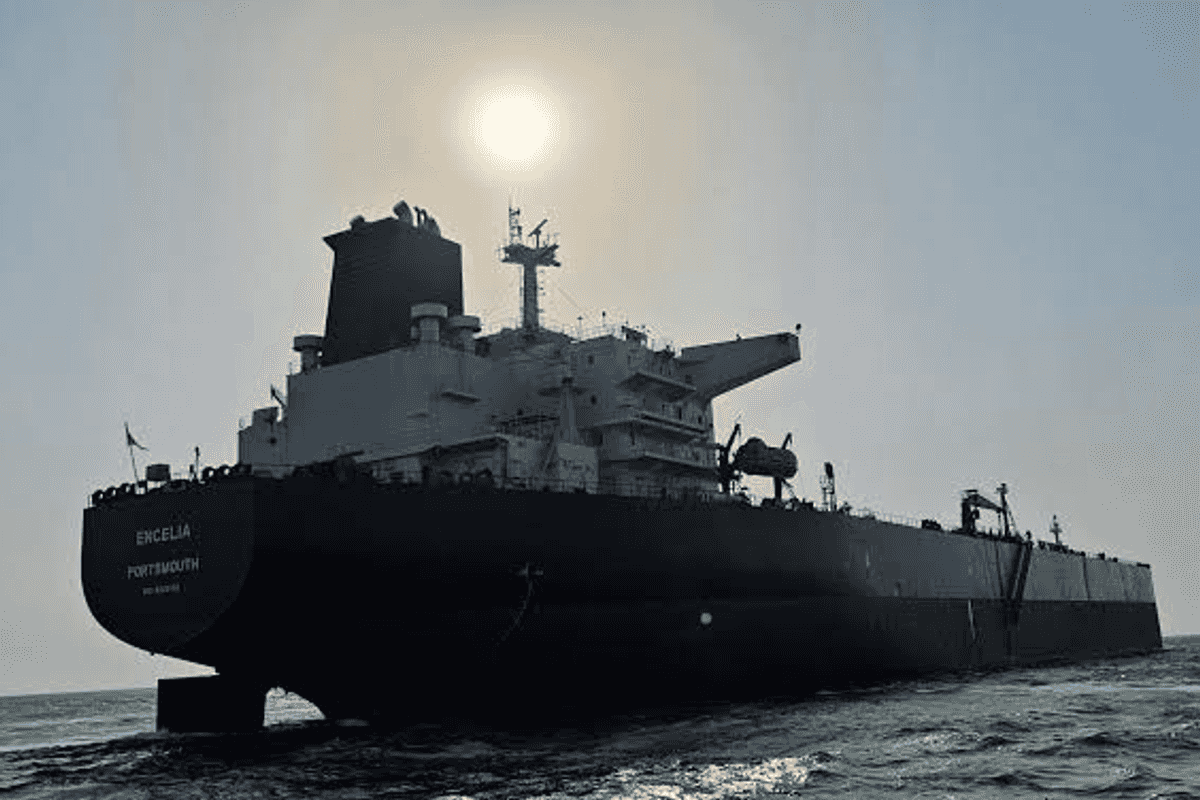
The threat to shipping runs parallel to Iran's blockade of the Strait of Hormuz.
Reuters/File
Yemen's Iran-backed Houthi rebels said they launched missile and drone salvos against Saudi Arabia's oil facilities on Saturday.
The attack marks fighting between regional allies of the United States and Iran intensifying on a new front.
Why did the Houthis attack Saudi oil facilities?
Houthi military spokesman Yahya Saree said the rebels targeted sites operated by Saudi oil giant Aramco in Jizan and Yanbu, in a video statement threatening to expand the group's response if attacked by the Gulf monarchy.
The Iran-backed group had accused US ally Saudi Arabia of a "dangerous escalation" after Riyadh struck Houthi targets in Yemen on Friday. The attack follows a Houthi-declared maritime blockade of the kingdom announced earlier this week.
What happened during the Houthi strikes on Saudi Arabia?
Houthi media had earlier said a strike on Jizan sparked fires. A video circulating on social media, verified by AFP, showed dark clouds rising above an Aramco refinery in the city. Saudi Arabia made no direct comment on the attack, but the kingdom's civil defence issued warnings for Jizan on the southwest coast and Yanbu to the north.
A surface-to-air battery operated by Greek personnel in Saudi Arabia downed two ballistic missiles and later a drone launched from Yemen targeting Yanbu on Saturday morning, the Greek air force press office said. A Yemeni security source told AFP a naval base in the port city of Hodeida and a military camp on Kamaran Island were among the Saudi targets.
How does this fit into the wider Iran-Saudi conflict?
The renewed exchange of fire between the US and Iranian allies signals a new front in the Middle East war, following US and Israeli strikes on Iran at the end of February. Faiza, a 36-year-old mother of two and Hodeida resident, told AFP the strikes sounded like "loud thunder," describing three distinct explosions. "I didn't want to believe that we had gone back to strikes," she said.
Yemen's Houthis have been at war with the internationally recognised, Saudi-backed government since 2015, in a conflict that has killed hundreds of thousands and triggered a major humanitarian crisis. Fighting in the poverty-stricken country had been largely frozen since a UN-negotiated truce in 2022, before this week's blockade announcement and strikes on Saudi tankers in the Red Sea.
How does the Houthi threat connect to the Strait of Hormuz crisis?
The threat to shipping runs parallel to Iran's blockade of the Strait of Hormuz, which has become the central flashpoint between Tehran and Washington amid renewed hostilities. Iran's Revolutionary Guards said on Saturday their forces stopped four ships attempting to transit the strategic chokepoint over the past 24 hours. A fresh incident involving a tanker and unspecified military forces was reported on Saturday near the strait, according to the United Kingdom Maritime Trade Operations monitor.
The US did not announce strikes on Iran on Saturday, a first after 13 consecutive nights of bombardment. President Donald Trump said he had not yet decided whether to launch major strikes on Iran, hours before the Saudi-Houthi escalation, saying Tehran was now getting "serious" in talks with Washington.
What has Trump said about further strikes on Iran?
"No, I haven't," Trump told journalists in the Oval Office when asked if he had made a decision on hitting Iran hard. "Look, we're talking to them right now. I think they're getting more and more serious as the days go by, for maybe the obvious reason." Trump said Iran had a choice between making a deal or facing a "much higher level" of strikes, after nearly two weeks of US attacks left an April ceasefire in tatters.
The war that Trump once predicted would last four or five weeks is now nearing its fifth month, weighing on his approval ratings ahead of the November midterm elections. He added that he did not know what the "tipping point" would be for a decision, but reiterated that his red line remained Iran nearing development of a nuclear weapon. The United States says it is carrying out strikes to stop Iran from closing the Strait of Hormuz, and Iran has responded with strikes on US bases that have killed four service members.




Comments
See what people are discussing