

'I love the inflation,' Trump says as prices rise amid Iran war
Trump said "I love the inflation" after May CPI hit 4.2%, its fastest pace in three years. He predicted prices will fall sharply once the Iran war ends

News Desk
The News Desk provides timely and factual coverage of national and international events, with an emphasis on accuracy and clarity.
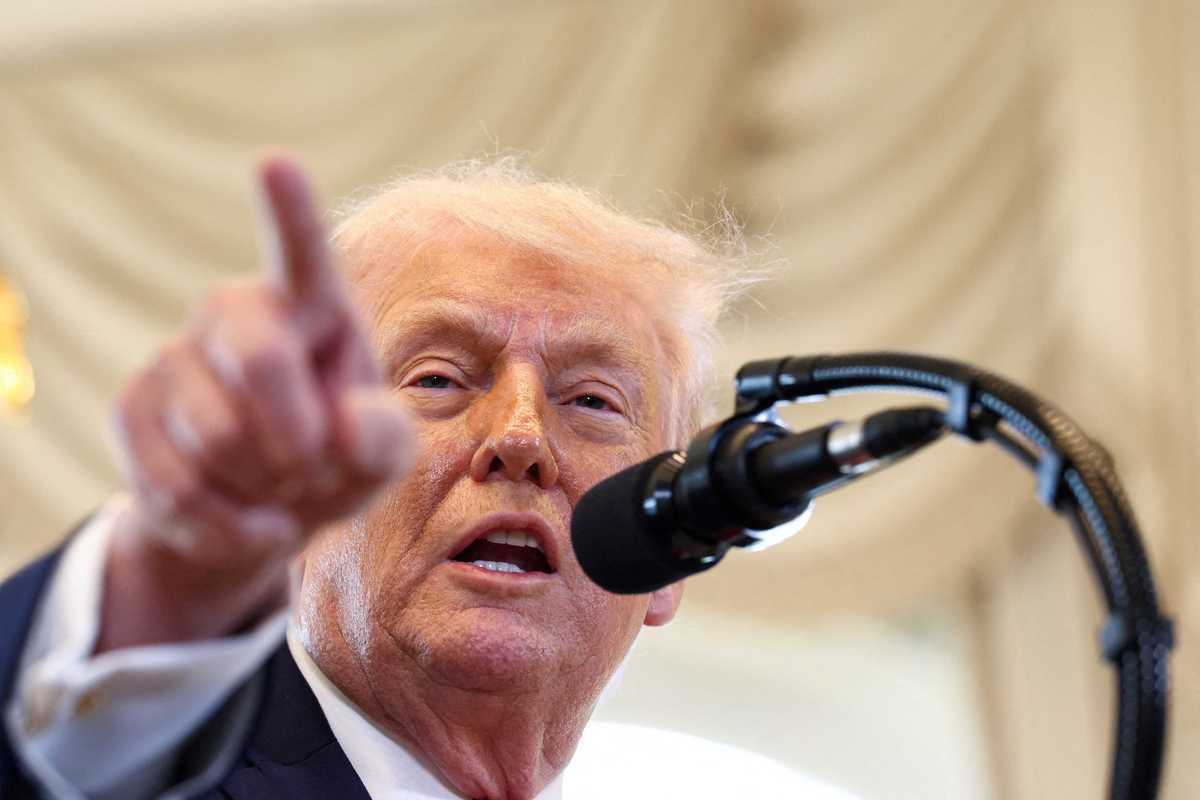
President Donald Trump said he "loved" inflation on Wednesday after US government data showed consumer prices rose more than 4 per cent in May, the fastest pace in three years.
Asked whether the surge could damage Republicans ahead of November's midterm elections, Trump told reporters: "I love the inflation." He then predicted prices would fall sharply once the Iran war ends.
What did Trump mean when he said 'I love the inflation'?
Trump appeared to frame the elevated CPI reading as a sign that a larger price drop was coming. He explained that he had approved a plan to secretly move oil tankers through the Strait of Hormuz to contain costs, calling the operation a success. "When it's over, you will see oil drop to where it was before," he said of the war. "It's going to come down like a rock."
Trump has framed the war on Iran as a national security issue rather than an economic one. Tehran's closure of the key Strait of Hormuz shipping route has pushed up the cost of gasoline, fertilizer and other goods, contributing directly to the inflation surge. Last month, Trump said he did not think about Americans' financial struggles, adding: "I think about one thing: We cannot let Iran have a nuclear weapon."
How is the Iran war driving US inflation higher?
The Strait of Hormuz, through which a significant share of global oil and gas passes, has remained largely closed since the war began. Efforts to reopen it to tanker traffic have so far stalled, with industry executives and analysts warning that coming weeks could bring another oil price shock severe enough to rattle broader financial markets. Even if a deal is reached soon, supply disruptions are expected to persist through 2026.
Higher energy prices are feeding through to consumer costs across the economy. While Americans may be more insulated from fuel shocks than people in some other countries, sustained high energy prices could weigh on consumer spending over time. The Federal Reserve, meanwhile, is unlikely to cut interest rates while inflation remains elevated, frustrating Trump's repeated calls for cheaper borrowing costs since returning to power last year.
What are the political risks for Republicans?
Republicans are working to retain control of both the House of Representatives and the Senate in November, but rising prices risk handing Democrats a powerful campaign issue.
Trump won the 2024 presidential election largely on a promise to lower inflation, but his approval rating on cost-of-living issues has since fallen to the lowest point of his political career. The gap between that promise and current CPI figures gives Democrats clear attack lines heading into the midterms.

Comments
See what people are discussing