

Rising fuel cost pushes Pakistan's inflation to 10.9% in April, highest in 20 months
The number is up sharply from 7.3% in March

Business Desk
The Business Desk tracks economic trends, market movements, and business developments, offering analysis of both local and global financial news.
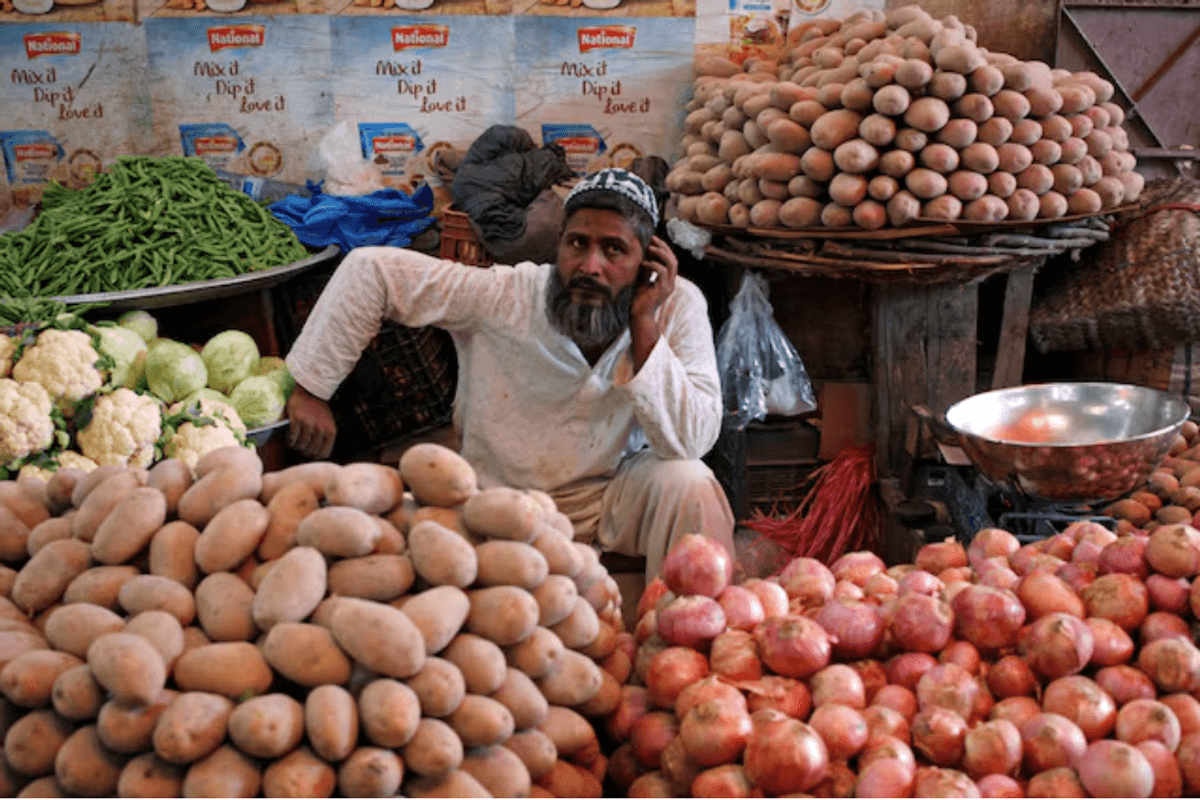
Pakistan's annual inflation rose to 10.9% in April, the first double-digit reading since July 2024, according to official data released on Friday.
The number was up sharply from 7.3% in March and just 0.3% in the same month last year.
Aprils’ inflation exceeded both the government's forecast of 8 to 9% and the 10.2% average estimate from a Nukta survey of analysts at Pakistan's leading brokerages, marking the highest inflation rate in nearly two years.
What is driving inflation higher in Pakistan?
Analysts attribute the spike primarily to rising retail fuel prices and higher energy costs, with spillover effects from the ongoing US-Iran conflict disrupting global energy markets.
On Thursday, Pakistan increased petrol and diesel prices to PKR 400 per liter.
Overall, fuel prices have risen 42% over the past two months, pushing up transportation fares and agricultural input costs. The SBP raised its benchmark interest rate by 100 basis points this week in anticipation of further price pressures.
Which categories saw the biggest price increases in April?
Transport was the hardest-hit category, rising 29.9% year-on-year and 15.5% month-on-month, reflecting the direct impact of fuel price hikes on fares and logistics costs.
Housing inflation came in at 16.8% year-on-year, driven by higher utility and energy-related costs, while miscellaneous items rose 18.3%. Both categories carry significant weight in the overall CPI basket, at 23.6% and 4.9% respectively.
Food inflation, which carries the largest weight in the basket at 34.6%, rose 7.6% year-on-year and 1.8% month-on-month. Education costs increased 8.3% annually and 3.0% on the month.
Beverages, communication, and furnishing saw relatively contained price increases, rising between 0.8% and 3.8% year-on-year.
Recreation was the only category to record deflation, falling 5.1% annually.
What is the outlook for Pakistan's inflation in the coming months?
Pakistan's economy has shown some resilience despite the external shocks, supported by relatively strong foreign exchange reserves and continued financial backing from allied countries and multilateral institutions.
However, with no progress in sight in the U.S-Iran peace talks, there is a risk of continued strain on energy supplies. For Pakistan, higher fuel import costs could result in more inflation.



Comments
See what people are discussing