

Iran urges ECO to set up regional energy mechanism amid geopolitical shocks
Iran’s Abbas Araghchi urged ECO members in Islamabad to build a regional energy mechanism to protect supplies and cut reliance on external factors

News Desk
The News Desk provides timely and factual coverage of national and international events, with an emphasis on accuracy and clarity.
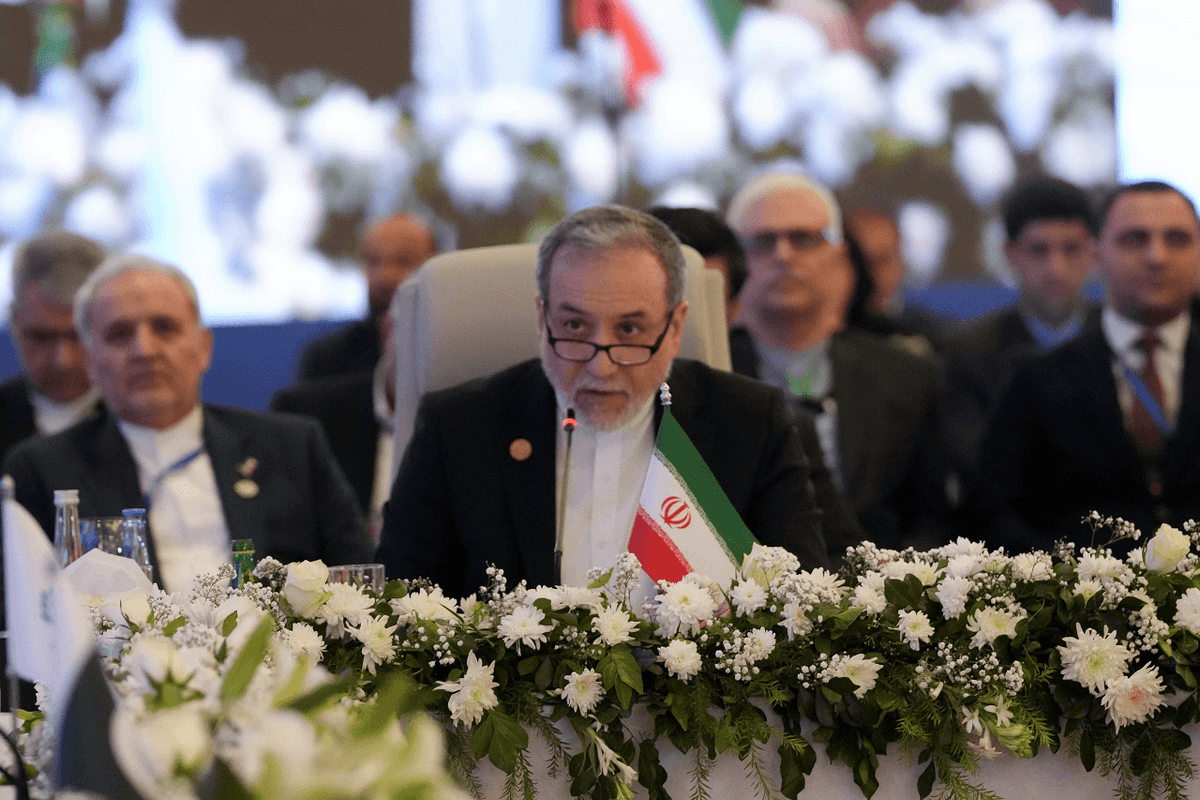
Iran wants ECO members to create a reliable and sustainable framework that protects energy supplies and keeps flows stable.
Iran_GOV/X
Iranian Foreign Minister Abbas Araghchi on Monday called for a regional energy mechanism to safeguard supplies and keep energy flows stable.
Speaking at the ECO Council of Ministers in Islamabad, he said tensions involving the United States and Israel had made coordination among neighbors an urgent strategic necessity.
What is the regional energy mechanism Iran wants ECO to create?
Iran wants ECO members to create a reliable and sustainable framework that protects energy supplies and keeps flows stable. Araghchi said it would reduce dependence on external factors and help countries withstand geopolitical disruptions. He proposed making energy a third pillar of the bloc’s agenda.
Araghchi addressed the 30th meeting of the Economic Cooperation Organization (ECO) Council of Ministers. He said energy cooperation should join trade and transport as the main pillars of the 10-member bloc’s agenda. Stronger economic links, he argued, would help members build resilience and reduce external vulnerabilities.
“Not only our region requires an independent security framework but also a reliable and sustainable regional mechanism in the energy sector,” Araghchi said. He added that such a mechanism was needed to safeguard energy flows and ensure stable supplies.
Why did Araghchi link energy security to regional tensions?
His remarks come amid heightened tensions and concerns over the security of energy routes and infrastructure. Araghchi blamed US and Israeli actions for worsening insecurity in the Persian Gulf and developments surrounding the Strait of Hormuz.
He said the situation showed why regional countries should develop their own security arrangements through inclusive dialogue. These arrangements should rest on non-aggression and a commitment not to allow territories, airspace or facilities to be used for attacks against other states.
What is Iran’s position on regional security?
Araghchi said Iran sought friendly relations with neighboring countries and had no inherent disputes with regional states. He maintained that Tehran’s defensive actions were aimed exclusively at the targets and military bases of those it considered aggressors. They should not be read as actions against neighboring governments or their populations, he said.
He accused Washington of aggression, threats, targeted killings, economic coercion and blockades against Iran. He alleged these actions violated international law and the United Nations Charter.
Araghchi also said sanctions had failed to weaken Iran’s resolve to defend its interests. Instead, he said, they had strengthened its determination to resist what he described as unlawful demands. He thanked ECO member states that had expressed solidarity with Iran during the period of heightened tensions.
How does Iran want ECO to strengthen trade and transport?
Beyond energy, Araghchi urged members to strengthen trade and transport cooperation. He described the two sectors as essential to a more integrated and economically resilient region.
He welcomed the creation of a Technical Negotiation Committee to reform the ECO Trade Agreement. He urged existing parties to pursue negotiations and encouraged other member states to join. A modernized agreement with broader participation and more effective provisions could expand regional commerce and deliver benefits to people across member states, he said.
Araghchi said the organization was moving beyond its traditional role towards becoming a more effective platform for collective action. He called for the ECO’s vision for the coming decade to be implemented through practical measures, measurable outcomes and clear targets. Guidance is expected from regional leaders at the 18th summit in Tehran on December 4, 2026.
What did Araghchi say about Gaza at the ECO meeting?
Turning to the occupied Palestinian territories, Araghchi called for sustained international action over the humanitarian crisis in Gaza and the West Bank. He accused Israel of committing war crimes and genocide in Gaza. He alleged widespread destruction, forced displacement, settlement expansion and restrictions on humanitarian assistance.
He urged the international community to press Israel to lift restrictions on supplies entering Gaza, particularly food, medicine, temporary shelters and materials for rebuilding essential infrastructure. Araghchi said more than 1.5 million displaced Palestinians urgently needed assistance, especially as winter conditions intensified humanitarian needs.
He also raised concerns over Israeli settlement expansion, settler attacks in the West Bank and the treatment of Palestinians held in Israeli prisons. Araghchi said Iran’s stability and prosperity were closely linked to those of other ECO members. He reaffirmed Tehran’s commitment to practical cooperation within the organization.


Comments
See what people are discussing