

Iran says neighbors sent messages on shaping new regional security arrangements
Iran says neighboring countries sent messages on shaping new regional security arrangements, as Qalibaf calls for an independent order

News Desk
The News Desk provides timely and factual coverage of national and international events, with an emphasis on accuracy and clarity.
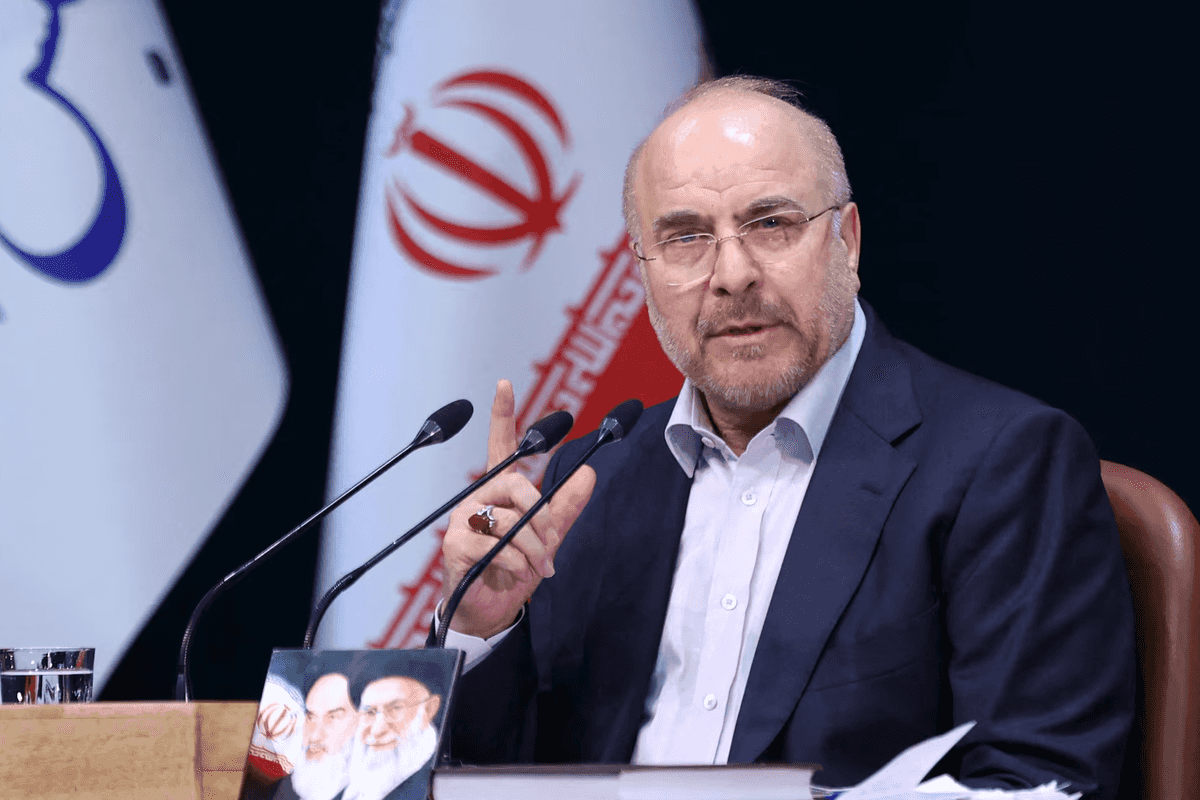
Iran's chief negotiator Mohammad Bagher Ghalibaf.
Reuters/File
Iranian parliament speaker Mohammad Baqer Ghalibaf said on Saturday that Tehran had received messages from neighboring countries about shaping new regional security and economic arrangements.
He spoke as the conflict with the United States continues to pressure the region. Ghalibaf said Washington had disregarded its allies' interests while supporting Israel.
What did Iran say about new regional security arrangements?
Ghalibaf said Tehran had received numerous messages from neighboring countries about shaping new security arrangements and economic cooperation in the region. He argued that regional countries need an independent security framework rather than one shaped by outside powers, saying US actions had put the security of Washington's allies at risk.
1/2 We’ve received numerous messages from neighboring countries about shaping new security arrangements and economic cooperation in the region.
The United States put the security of every single one of its allies at such risk…
— محمدباقر قالیباف | MB Ghalibaf (@mb_ghalibaf) August 22, 2026
"We've received numerous messages from neighboring countries about shaping new security arrangements and economic cooperation in the region," Ghalibaf said, according to Iranian state media.
"A homegrown, independent order is what will actually deliver peace and security," he added, arguing that the United States had disregarded the interests of its allies in pursuit of its objectives in support of Israel.
What is happening with oil shipments through Hormuz?
The comments came as Tehran continued to face pressure over oil exports and regional security. Iranian state news agency IRNA said Baghdad had repeatedly asked Tehran to grant special permission for Iraqi tankers, with the request raised during Ghalibaf's recent visit to Iraq.
The Strait of Hormuz remains a key focus of the conflict, with oil shipments through the waterway significantly below pre-war levels. US Energy Secretary Chris Wright said the US military had helped move a seven-day average of about 8 million barrels of oil a day through the strait, down from more than 20 million barrels before the war.
How has the war affected Iran's military and economy?
US attacks have damaged Iran's economy and military capabilities, but Tehran retains missile and drone capabilities that could disrupt tanker traffic and threaten regional rivals. President Donald Trump has yet to achieve some of the objectives he set at the start of the war, including dismantling Iran's nuclear program and creating conditions for Iranians to overthrow its clerical leadership.
The status of Iran's nuclear facilities remains uncertain, with UN inspectors unable to access the country since 2025. Thousands of people have been killed in the conflict, including 168 Iranian schoolchildren on the first day, while the United States has reported more than 750 military personnel wounded and 18 killed.
Is Iran seeking a diplomatic solution?
Iran's armed forces chief of staff, Major General Ali Abdollahi, vowed on Friday that Tehran would respond to threats with crushing, punishing and devastating responses. President Masoud Pezeshkian has also called for a diplomatic solution, saying it would be better to end the war while Iran remained strong and had what he described as its dignity intact.
Ghalibaf, who is also Iran's main negotiator in mediated talks with Washington, acknowledged the economic strain caused by the conflict in remarks to Iranian and Iraqi businesspeople on Thursday. "No matter how much military power we have, we won't survive if people are hungry and we don't have financial turnover, economic growth and national production," he said, according to IRNA.



Comments
See what people are discussing