

Iran discusses Strait of Hormuz security with Saudi Arabia, Oman as tensions ease
Iran's foreign minister held calls with Saudi and Omani counterparts on Strait of Hormuz security as regional hostilities show signs of easing

News Desk
The News Desk provides timely and factual coverage of national and international events, with an emphasis on accuracy and clarity.
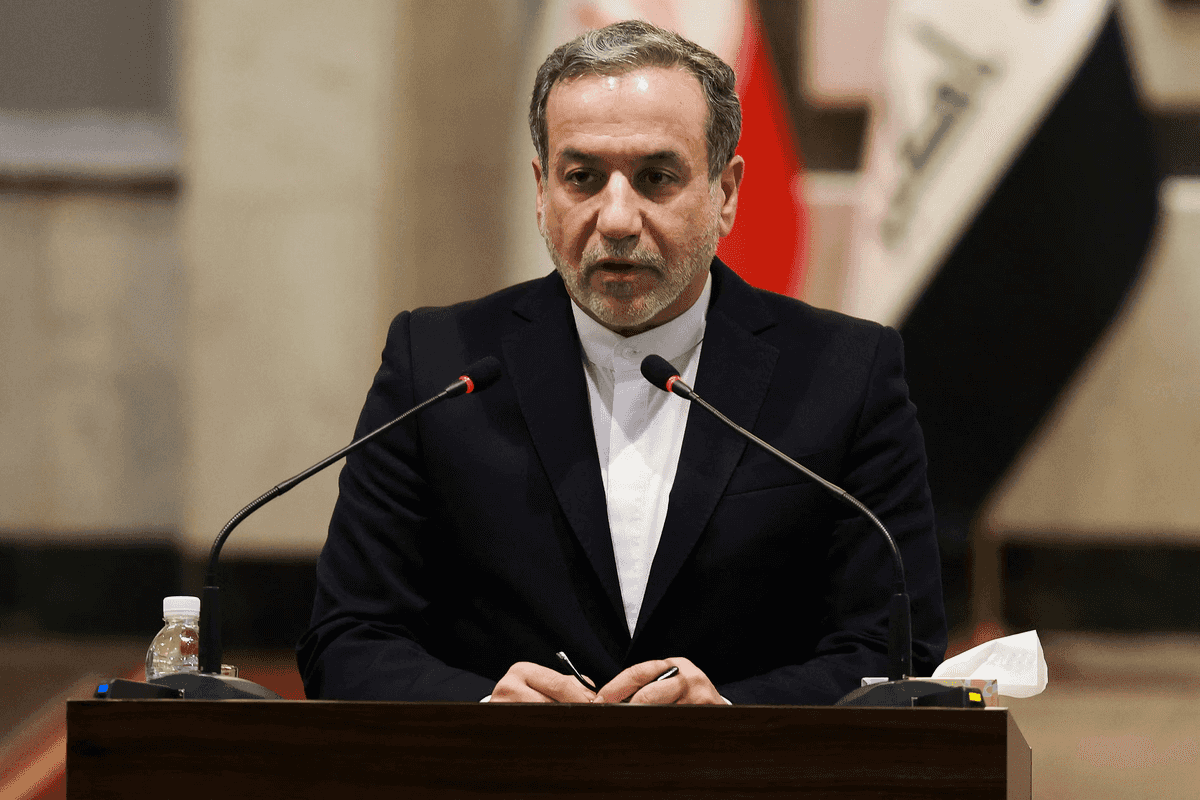
Iranian Foreign Minister Abbas Araghchi held separate phone calls with his Omani and Saudi counterparts Tuesday to discuss security in the Strait of Hormuz, Iranian state television reported.
The officials stressed deeper diplomatic cooperation to stabilize the region and end insecurity in the waterway, which Araghchi's ministry blamed on U.S. actions.
What did Iran discuss with Saudi Arabia and Oman?
Araghchi and his counterparts agreed to strengthen cooperation and advance joint diplomacy to secure the Strait of Hormuz. State television said the talks aimed to eliminate insecurity in the waterway, which officials attributed to what Iran calls aggressive U.S. actions in the region. Both calls took place Tuesday.
According to the broadcaster, Araghchi spoke with Omani Foreign Minister Badr Al Busaidi and Saudi Foreign Minister Faisal bin Farhan. State TV said the officials "stressed the need to strengthen cooperation and advance joint diplomatic efforts to establish stability in the region and eliminate the insecurity imposed on the Strait of Hormuz due to the aggressive actions of the United States."
Why is the Strait of Hormuz important right now?
The Strait of Hormuz is a key global shipping route for oil and gas exports. It has remained under Iranian control since the Middle East war began Feb. 28, disrupting maritime traffic through the waterway. Fighting later expanded to involve Saudi Arabia and Yemen's Iran-backed Houthi rebels, though the region has seen a lull in hostilities in recent days.
Is there a ceasefire between the US and Iran?
The diplomatic contacts came as President Donald Trump expressed optimism about a negotiated agreement with Iran after both sides held a pause in fighting for a third consecutive day. Hostilities between Washington and Tehran have been paused since Friday, following 13 nights of renewed U.S. strikes that came after a breakdown in diplomacy over Iran's blockade of the strait.
Speaking aboard Air Force One, Trump said he believed there was "a good chance" progress could be made. "I have a lot of patience. We'll see what happens," he said. Trump later said in Michigan that Iran was discussing a potential deal with Washington.
Iran, however, denied it was engaged in negotiations with the United States. "Mediators may convey messages from the American side to us regarding current developments in the region. But at present, we are not engaged in any negotiations with the United States," Iranian Foreign Ministry spokesman Esmaeil Baqaei said.
What new security threats have emerged despite the pause?
Despite the pause in broader fighting, Saudi Arabia reported new security threats Monday. The Saudi Defense Ministry said it intercepted several drones launched by Iran-linked groups in Iraq and aimed at oil facilities, though no group immediately claimed responsibility. Riyadh called on Baghdad to prevent attacks from being launched off Iraqi soil.
Iraqi Prime Minister Ali al-Zaidi called for an investigation into the allegations. Pakistan, which said it has been mediating efforts to resolve the conflict, condemned the drone attacks and called them a serious threat to regional peace and stability.
Yemen's Houthi movement separately claimed responsibility for drone attacks on Saudi oil infrastructure, saying they were carried out in response to Saudi drone incursions. Saudi authorities had not commented on that claim. Elsewhere, the Israeli military said it intercepted two drones near the Jordanian border and was investigating their origin.
How have markets reacted to the pause in fighting?
Financial markets responded positively to the pause in fighting. Global stock markets rose and oil prices fell Monday, with Brent crude dropping about six percent to around $86 a barrel.
What is Iran discussing with Oman about the strait?
Control of the Strait of Hormuz remains a central issue in the conflict. Iran has said it intends to manage the strategic waterway and has continued stopping vessels that attempt to transit the route outside its designated path. Iranian state television reported Monday that six vessels had been stopped after sailing outside Iran's designated route.
Tehran has also said it recently held talks with Oman on "common principles and operational mechanisms" aimed at ensuring safe maritime passage through the strait. Baqaei said Monday that the United States was not involved in those discussions with Oman and criticized Washington's conduct in the region in recent years.




Comments
See what people are discussing