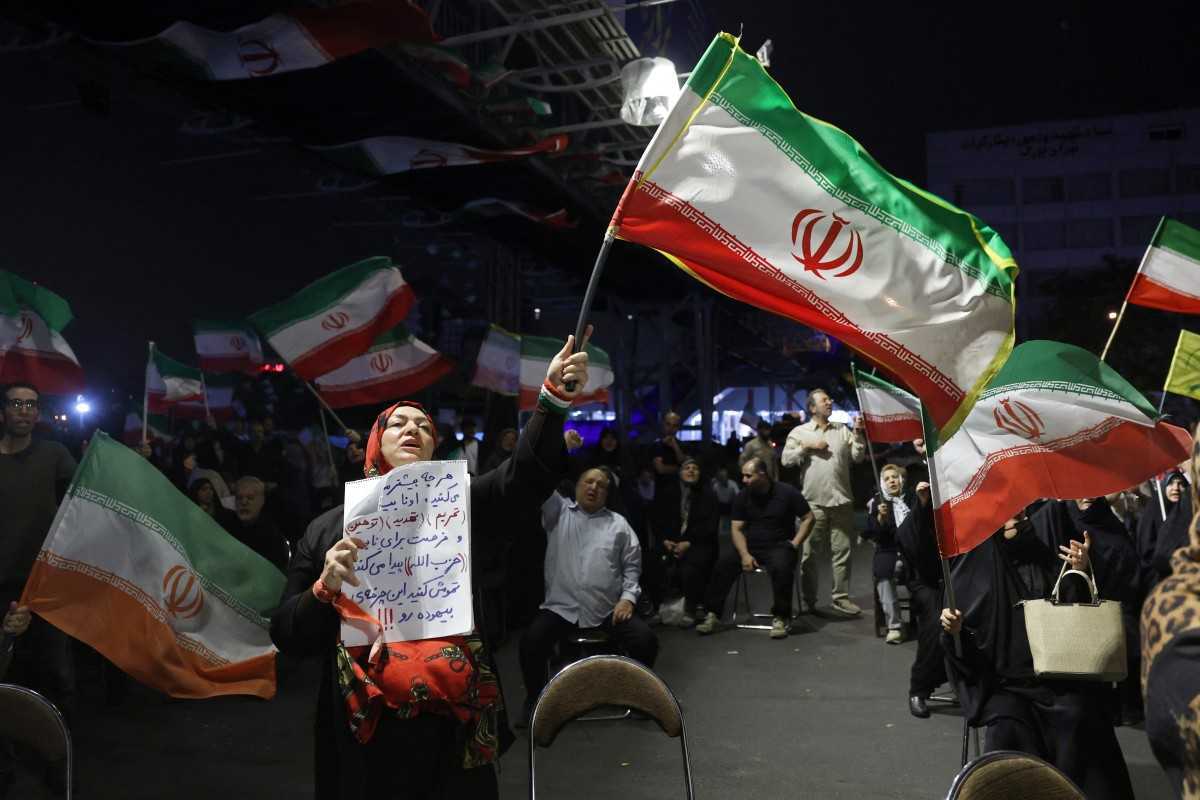
Iran said Sunday it has halted retaliatory attacks in the region after the United States stopped striking the country for two consecutive nights, as diplomatic efforts continued over the Strait of Hormuz and Israeli Prime Minister Benjamin Netanyahu prepared to visit Washington.
Why did Iran stop its retaliatory attacks?
Iran halted its retaliatory operations because the strategy was built to respond to US strikes, and those strikes have paused. Army spokesman Mohammad Akraminia said the attacks continued until two nights ago, but the Americans have since stopped. He said Iran's retaliation was tied directly to that pattern, so it stopped when US strikes did.
Akraminia also warned that a broader war could still follow if Washington resumes military action, particularly airstrikes. He said any renewed strikes, especially if Iran believes the US is "falling for the Zionists' deception," would cause the conflict to expand geographically.
Where has the conflict already spread?
Akraminia said the conflict had already reached the Bab al-Mandab Strait at the entrance to the Red Sea, pointing to recent fighting involving Yemen's Iran-backed Houthi movement and Saudi Arabia. He said Iranian operations now cover a broad area across the region, including US bases in Jordan and countries along the Persian Gulf.
He described the US position in the Middle East as "difficult and unsettled" and said Iran was prepared for multiple possible scenarios. The remarks came ahead of Netanyahu's planned meeting with President Donald Trump at the White House on Tuesday, according to a Friday announcement from Israel.
What progress has been made on the Strait of Hormuz?
Iran said it has made progress in talks with Oman on managing the Strait of Hormuz, a key route for global oil and gas shipping that borders both countries. Foreign Ministry spokesman Esmaeil Baqaei said Iranian and Omani deputy foreign ministers met in Tehran on Friday and Saturday.
Baqaei said the talks focused on common principles and operational mechanisms to keep shipping safe while respecting both countries' sovereignty. He called the discussions useful and said technical and political consultations were continuing, adding that there had been no change in shipping traffic through the strait. Iranian state television reported Sunday that armed forces stopped six vessels attempting to transit the strait after warnings issued over the prior 24 hours.
Has the US decided to resume strikes on Iran?
Trump has not decided whether to resume a broader campaign against Iran, and he said talks with Tehran are "getting more and more serious." CNN reported, citing an unnamed Pentagon source, that US operations against Iran were on hold, while Axios reported Trump declined to approve a 14th consecutive night of strikes in favor of renewed diplomacy.
That decision reportedly followed the arrival of an Omani delegation in Tehran for talks on a new Hormuz arrangement. Trump said Iran faces a choice between reaching an agreement and facing strikes at a "much higher level." The New York Times reported that plans for further escalation were delayed partly over concerns about shrinking US military supplies, and CNN reported that Vice President JD Vance and top military officer Dan Caine raised escalation risks during a Friday White House meeting.
Is the conflict spreading beyond Iran and the US?
The conflict has shown signs of widening beyond the US and Iran directly. Yemen's Houthi rebels said they targeted Saudi Aramco facilities in Jizan and Yanbu on Saturday, a day after Saudi Arabia struck Houthi positions. A Greek-operated air defense battery in Saudi Arabia intercepted two ballistic missiles and a drone over Yanbu, according to the Greek air force media office.
Iranian Foreign Minister Abbas Araghchi said Tehran could not be held responsible for that escalation and offered to help facilitate talks between the Houthis and Saudi Arabia, saying there was "no military solution."







Comments
See what people are discussing