

Khamenei says US-Iran peace deal depends on end to Israeli attacks in Lebanon
Iran's Mojtaba Khamenei says any US-Iran peace deal depends on Israel ending its attacks on Lebanon and preserving its territorial integrity

News Desk
The News Desk provides timely and factual coverage of national and international events, with an emphasis on accuracy and clarity.
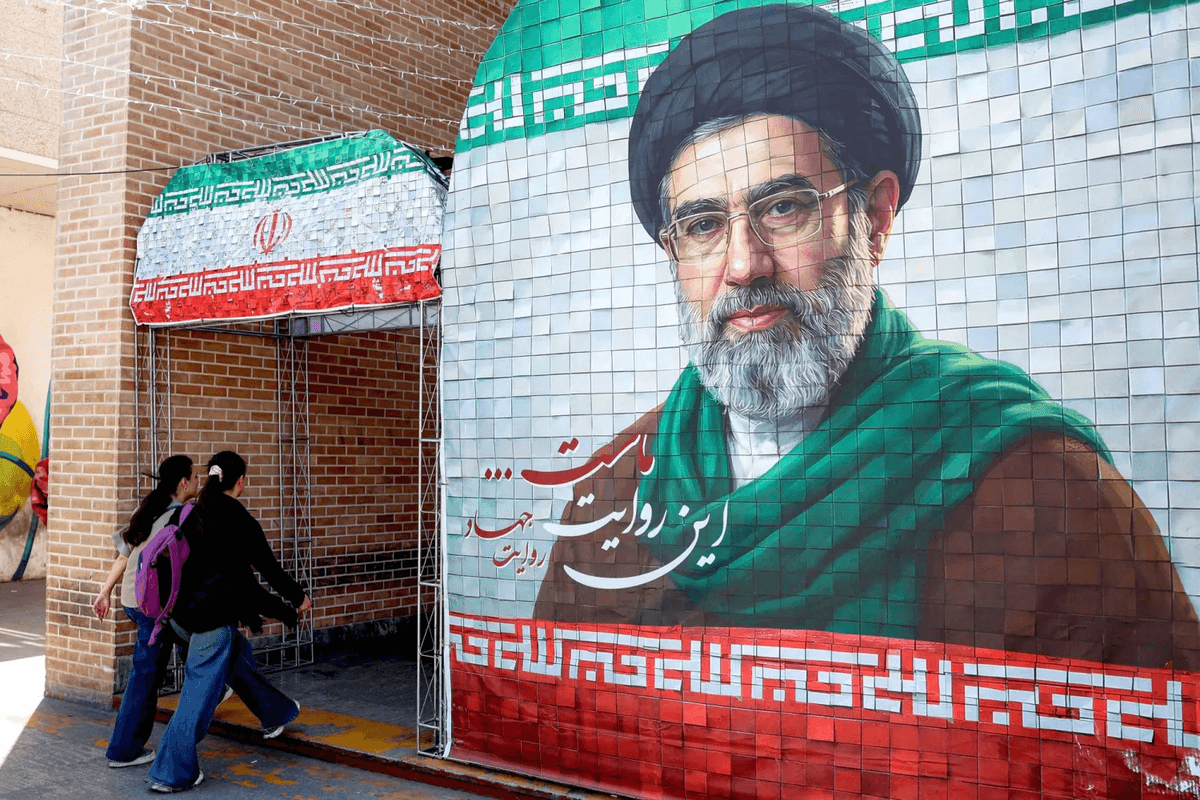
Iranian Supreme Leader Mojtaba Khamenei said Sunday that any peace deal between Tehran and Washington depends on Israel fully ending its attacks on Lebanon, a condition he tied to preserving Lebanese territorial integrity amid renewed diplomatic contacts between Iran and the United States.
What did Khamenei say about the US-Iran peace deal?
Khamenei said in a post on X that Iran has made two conditions non-negotiable: full preservation of Lebanon's territorial integrity and an unconditional end to Israeli military operations there.
He described the conflict as an "imposed war" forced on Iran by the United States, and said meeting both conditions is required before any deal can end it.
[The Islamic Republic of Iran] has designated the preservation of Lebanon’s territorial integrity, and the absolute, unconditional termination of the Zionist regime’s aggression as the primary condition for any agreement to ending the imposed war against the aggressive US.
— Ayatollah Mojtaba Khamenei (@MKhamenei_ir) July 26, 2026
In a series of posts, Khamenei also voiced support for Hezbollah, its former leader Hassan Nasrallah, and residents of southern Lebanon, which has been the focus of Israeli military operations.
He called defending what he termed Hezbollah's "oppressed yet powerful mujahideen" a strategic mandate for Iran. The comments came amid reports of a halt in attacks and renewed talks between Tehran and Washington.
What is the US-Iran memorandum of understanding?
Tehran has insisted that Israel end its strikes on Lebanon as a condition for ending the war with the United States. That demand was written into the first clause of a memorandum of understanding signed by Iran and Washington in June. The agreement later collapsed following a dispute over the Strait of Hormuz.
Lebanon became involved in the conflict in March, after Hezbollah launched attacks on northern Israel. Hezbollah said the strikes were a response to the killing of then-Supreme Leader Ali Khamenei on Feb. 28, the first day of the US-Israel war on Iran, and to Israel's near-daily bombardment of Lebanese territory, which the group said violated a ceasefire from 2024.
What is the status of Israel's withdrawal from Lebanon?
On June 26, after the US-Iran memorandum was signed, Lebanon and Israel reached a US-mediated framework agreement outlining a phased Israeli withdrawal from occupied Lebanese territory. The agreement set no timetable, stating instead that Israel would withdraw once Hezbollah is disarmed. Iran and Hezbollah, which did not take part in the negotiations, rejected the deal.
The first phase calls for Israeli withdrawal from three pilot zones, but Lebanon's army said Sunday that Israeli forces were obstructing the process, including by refusing to leave designated areas. Israeli forces continued to bulldoze land, shell areas and conduct machine-gun operations across parts of Israeli-occupied southern Lebanon as of Sunday.
How many people have been killed in the Lebanon conflict?
The latest round of violence in Lebanon has killed at least 4,329 people, along with 37 Israeli soldiers and four Israeli civilians. United Nations peacekeepers have said Israel violated a previous ceasefire with Hezbollah more than 10,000 times.
Mojtaba Khamenei is the son of former Supreme Leader Ali Khamenei and succeeded him after his assassination by the United States and Israel. His comments on Lebanon came as the conflict appeared to widen regionally, with reports of exchanges of attacks between Yemen's Houthi movement and Saudi Arabia.




Comments
See what people are discussing