

NEPRA approves Iran electricity import tariff at 12.40 cents/kWh
The regulator clears an extension of 104MW and an additional 100MW from TAVANIR

Business Desk
The Business Desk tracks economic trends, market movements, and business developments, offering analysis of both local and global financial news.
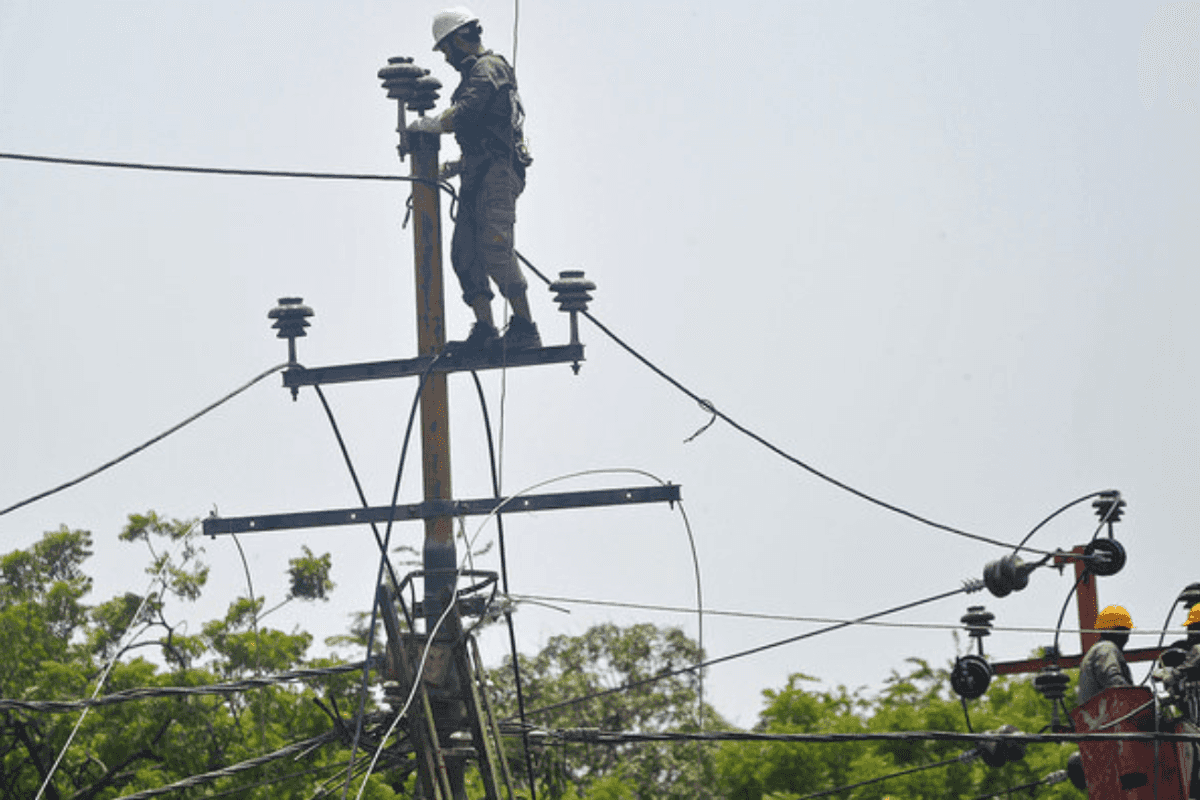
Pakistan's National Electric Power Regulatory Authority (NEPRA) has approved a tariff of up to 12.40 cents per kilowatt-hour for the import of 104 megawatts of electricity from Iran and an additional 100 MW supply from Iran's state-owned TAVANIR.
The regulator also flagged procedural violations and a lack of long-term planning by Pakistani authorities.
What did NEPRA approve for the Iran electricity import?
NEPRA approved a tariff framework of up to 12.40 cents/kWh for importing 204 MW of electricity from Iran.
The clearance covers an extension of the existing 104 MW supply and a new 100 MW arrangement with TAVANIR. The supply is primarily intended for Balochistan's Makran region.
The decision followed an application from the Central Power Purchasing Agency-Guarantee Limited (CPPA-G). The Economic Coordination Committee approved the cross-border supply expansion in August 2023.
How does the new Iran electricity tariff work?
CPPA-G sought regulatory approval to extend the tariff for the existing 104 MW supply. It also moved to secure an additional 100 MW by amending its long-standing power purchase agreement with Iran.
The agreement was first signed in 2002 and has undergone several revisions. The latest amendments, Nos. 7, 8 and 9, revise tariff mechanisms, payment terms, and technical arrangements related to power transmission.
What do the amendments cover?
Amendment 7, which has since expired, extended tariff terms through Dec. 31, 2024. It required payment settlements within 45 days.
Amendment 8 provided for the additional 100 MW supply through the Polan-Gabd transmission line. It required infrastructure development on both sides of the border.
Amendment 9 introduces a revised tariff formula linked to global oil prices. Pricing combines a fixed component with a variable component tied to the monthly average OPEC crude oil price.
The formula is designed to keep the delivered energy tariff within a range of 12.40 cents/kWh.
Why did NEPRA criticize CPPA-G?
NEPRA sharply criticized CPPA-G for repeatedly submitting agreements after they had already been executed. It called the practice a violation of regulatory requirements.
"The Authority observed that the amendments were presented ex post facto, contrary to mandatory prior approval requirements under the EPPR 2022," the ruling stated.
NEPRA noted that the tariff extension request was submitted in September 2023 even though it covered a period beginning in January 2022.
Will procedural violations affect future Iran power approvals?
The regulator said earlier directives requiring timely submissions had been ignored. It described the pattern as reflecting "systemic procedural lapses."
NEPRA warned that future delays or post-facto approvals could result in "serious regulatory consequences."
Why does Makran rely on imported electricity from Iran?
NEPRA acknowledged that there is currently no immediate alternative to imported electricity for the Makran region of Balochistan. The area continues to rely heavily on electricity supplies from Iran.




Comments
See what people are discussing