

Oil prices sink as US-Iran pause fuels fresh Hormuz hopes
Oil prices tumbled Monday after the US and Iran paused their strikes, boosting hopes for reopening the Strait of Hormuz to Gulf oil shipping

News Desk
The News Desk provides timely and factual coverage of national and international events, with an emphasis on accuracy and clarity.
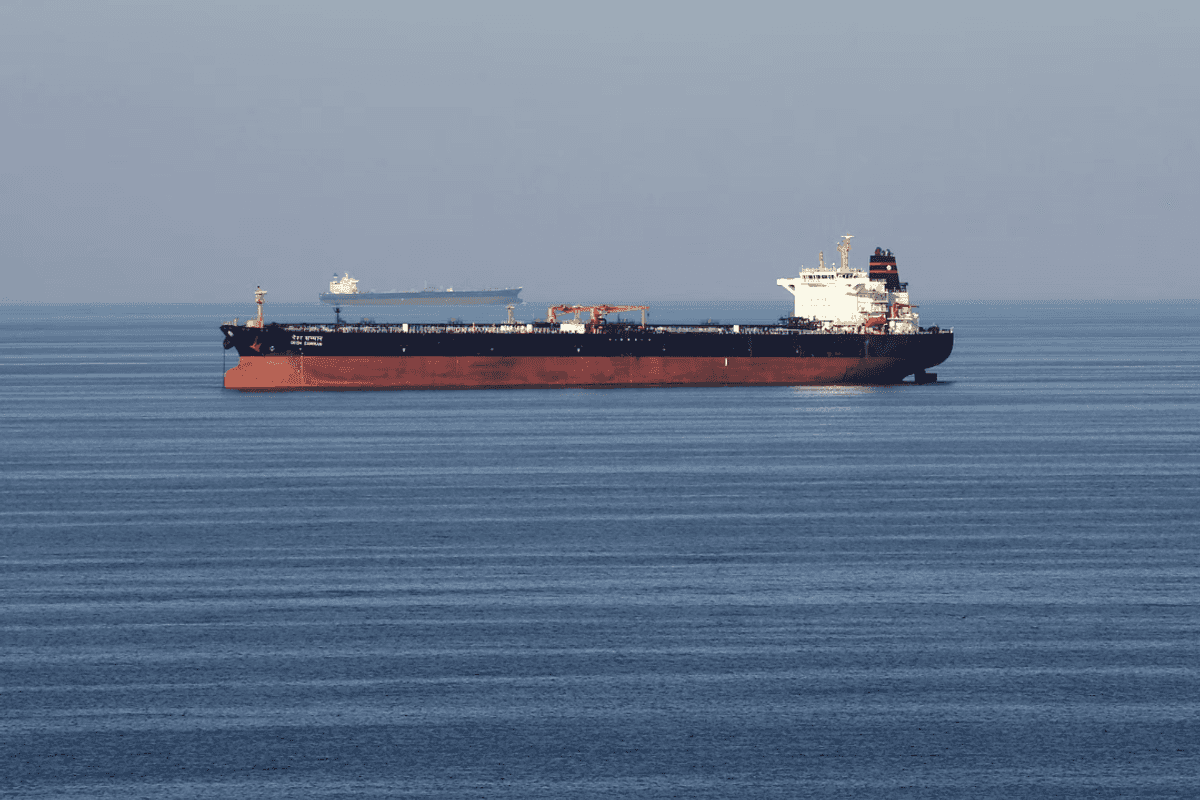
Oil prices sank Monday after the United States and Iran paused two weeks of strikes on each other, reviving hopes for a ceasefire and renewed talks on reopening the Strait of Hormuz. Brent crude fell more than seven percent at one point, dropping briefly below $90 a barrel, as Gulf shipping fears eased.
Why are oil prices dropping today?
Oil prices are falling because a pause in US-Iran strikes has raised hopes that both sides will return to ceasefire negotiations. Iran said Sunday it made progress with Oman on managing safe passage through the Strait of Hormuz. Investors see this as reducing the risk of a wider Gulf shipping disruption that had driven crude above $100 a barrel.
After 13 days of attacks on sites inside Iran, the United States held fire over the weekend. Donald Trump's UN envoy said the president was giving talks some space. Tehran said in turn that it would stop retaliatory attacks on regional neighbors, giving Gulf shipping and the oil industry a respite.
What caused the US-Iran conflict to escalate this month?
The two countries resumed hostilities this month, breaking a fragile truce, after Iran attacked ships passing through Omani waters in the Strait of Hormuz. That attack sparked a pattern of escalation that derailed diplomatic efforts between Washington and Tehran. The conflict then spread beyond the energy corridor, with Iran-backed Houthi rebels in Yemen striking Saudi vessels in the Bab al-Mandeb Strait, a key passage into the Red Sea.
Crude prices soared on the flare-up, and Brent broke back above $100 a barrel last week for the first time since May. News that shipping continued in the Red Sea helped investors pare those gains Friday. Trump's decision to hold off further strikes then added to the relief.
How is the market reacting to the Hormuz de-escalation?
Iran's foreign ministry spokesman Esmaeil Baqaei said the talks with Oman focused on common principles and operational mechanisms for ensuring safe passage through the strait while respecting both states' sovereign rights. Separately, a report said Pakistan was looking at resuming US-Iran peace talks, following a push initiated by China. Both main oil contracts sank Monday as a result, with Brent shedding more than seven percent at one point.
National Australia Bank's Sally Auld wrote that developments in the Middle East had moved in a positive direction over the weekend. She added that oil above $100 a barrel seems to induce de-escalatory behavior from both sides. The positive developments also eased worries about a reignition of inflation and a fresh round of interest rate hikes, helping most equity markets higher.
What is happening in Asian and global stock markets?
Concerns about the sustainability of the AI boom continue to weigh on tech firms, even as broader markets rallied. Seoul again led the losses, shedding more than one percent as chip giants SK hynix and Samsung came under pressure. Taipei and Singapore also fell, while Jakarta retreated following the surprise resignation of Indonesian central bank boss Perry Warjiyo, who cited personal reasons.
Tokyo rose overall, though tech firms Advantest, Kioxia and Tokyo Electron faced heavy selling pressure. Hong Kong, Sydney, Shanghai, Wellington and Manila were all up on the day. In company news, China's leading memory chipmaker CXMT jumped 470 percent on its Shanghai market debut, briefly surpassing megabank ICBC as the mainland's most valuable company.
What are traders watching this week?
Traders are awaiting earnings from SK hynix, Samsung and Japan's Kioxia this week, alongside reports from US titans Microsoft, Meta, Apple and Amazon. Tim Waterer of KCM Trade said traders remain nervy about the scale of capital spending being committed, given lingering concerns over how long the return on that investment may take to materialize. The CXMT debut came after the Anhui-based company raised $9.8 billion in a blockbuster initial public offering, according to Bloomberg News, making it China's biggest ever mainland tech share sale.
Also in view this week is the Federal Reserve's policy decision, weighed against the latest US-Iran flare-up and recent data showing inflation easing. Bets on a hike have risen over the past week, though analysts expect officials to hold steady Wednesday. Jenny Zeng of Allianz Global Investors warned that while the policy board is likely to stay on hold in July, she still expects 50 basis points of tightening by year-end.




Comments
See what people are discussing