

Pakistan auto industry braces for sales slowdown as government considers 18% tax on all vehicles
Proposed tax could raise prices of EVs, hybrids and petrol cars, potentially slowing vehicle sales

Haris Zamir
Business Editor
Experience of almost 33 years where started the journey of financial journalism from Business Recorder in 1992. From 2006 onwards attached with Television Media worked at Sun Tv, Dawn Tv, Geo Tv and Dunya Tv. During the period also worked as a stringer for Bloomberg for seven years and Dow Jones for five years. Also wrote articles for several highly acclaimed periodicals like the Newsline, Pakistan Gulf Economist and Money Matters (The News publications)
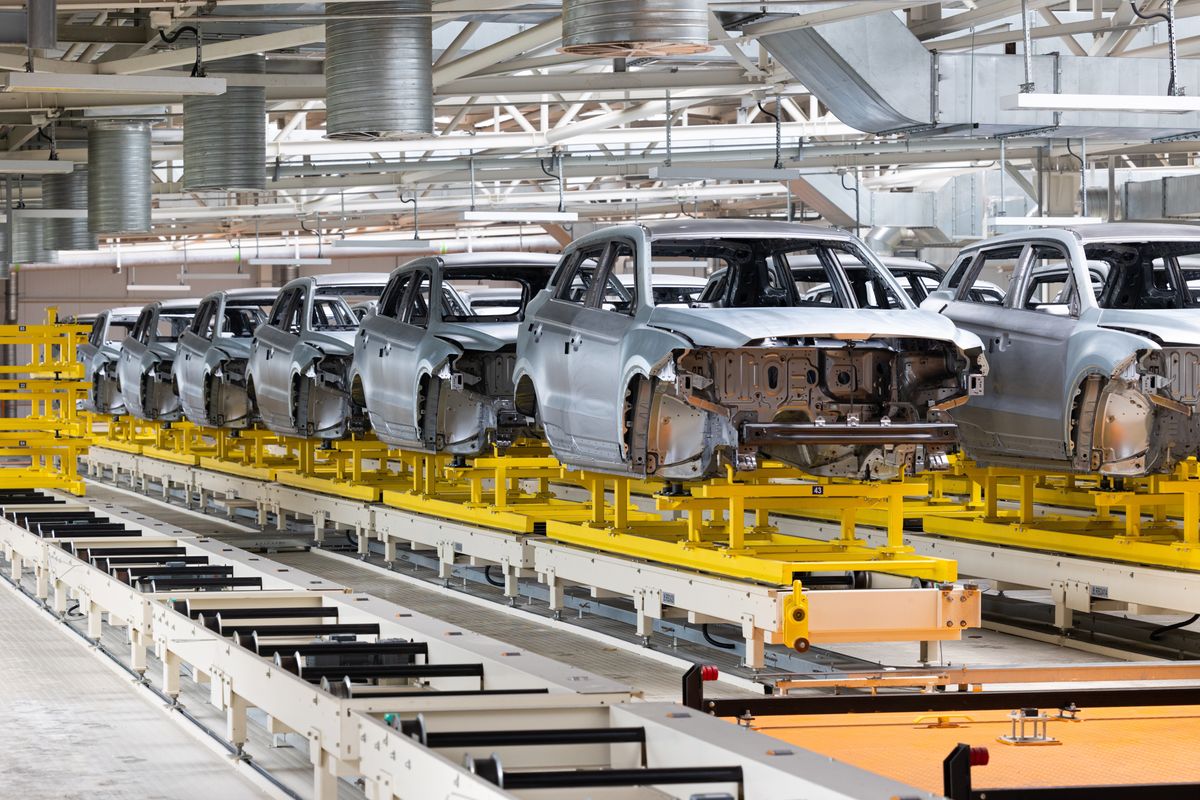
Pakistan’s automobile industry is bracing for a potential slowdown in sales as the government considers imposing an 18% sales tax across all vehicle categories, a move expected to significantly increase prices and weaken consumer demand.
According to industry sources, the proposed tax regime would apply to all vehicles, including electric vehicles (EVs), plug-in hybrid electric vehicles (PHEVs), range-extended electric vehicles (REEVs), hybrid vehicles and conventional petrol-powered cars.
The measure would remove much of the tax advantage previously enjoyed by electric and hybrid technologies, leading to substantial increases in retail prices.
Vehicle Prices Expected to Rise
Market estimates suggest prices of EVs, PHEVs and REEVs could rise by about 17%, while hybrid vehicles may see increases of roughly 10%.
The higher prices are expected to make vehicles less affordable at a time when household purchasing power remains under pressure and auto financing costs remain elevated.
Industry officials said the additional tax burden would likely be passed on to consumers, resulting in immediate increases in showroom prices once the measure takes effect.
Auto Sales Likely to Decline
Analysts and industry stakeholders expect the tax increase to weigh on vehicle sales, particularly in segments that have recently gained momentum due to lower taxation and growing consumer interest.
Higher prices are likely to discourage potential buyers and delay purchasing decisions, especially for EVs and hybrid vehicles, where adoption remains at a relatively early stage.
“The increase in vehicle prices will inevitably affect demand. Pakistan’s automobile market is highly price-sensitive, and double-digit price increases typically lead to lower sales volumes,” an auto analyst said.
The analyst added that electrified vehicle categories are likely to be hit hardest because consumers often justify higher upfront costs through tax incentives and lower operating expenses.
Potential Setback for Industry Recovery
The proposed measure comes as the auto sector continues to recover from a prolonged downturn caused by high interest rates, import restrictions and weak consumer sentiment.
Industry experts warned that while the move could generate additional tax revenue for the government, it may slow growth in automobile sales and undermine efforts to promote cleaner transportation technologies.
“The policy may boost government revenues in the short term, but it risks reducing overall vehicle demand and slowing the transition to electric mobility,” the analyst said.
Industry Awaits Budget Details
Automobile manufacturers, dealers and investors are awaiting the release of the federal budget and finance bill for detailed implementation guidelines and confirmation of the proposed tax structure.
Market participants expect the announcement to have a direct impact on vehicle pricing strategies, sales forecasts and the outlook for Pakistan’s automobile sector in fiscal year 2027.


Comments
See what people are discussing