

Pakistan court hears challenge to Punjab defamation law over press freedom concerns
Petitioners say law favors officials, court seeks records of legislative debate

Laiba Zainab
Correspondent
Laiba Zainab is an award-winning journalist with nearly a decade of experience in digital media. She has received the DW & CEJ-IBA Data Journalism Award and the top digital media prize at the National Media Fellowship. At NUKTA, she covers underreported stories on health, crime, and social justice.
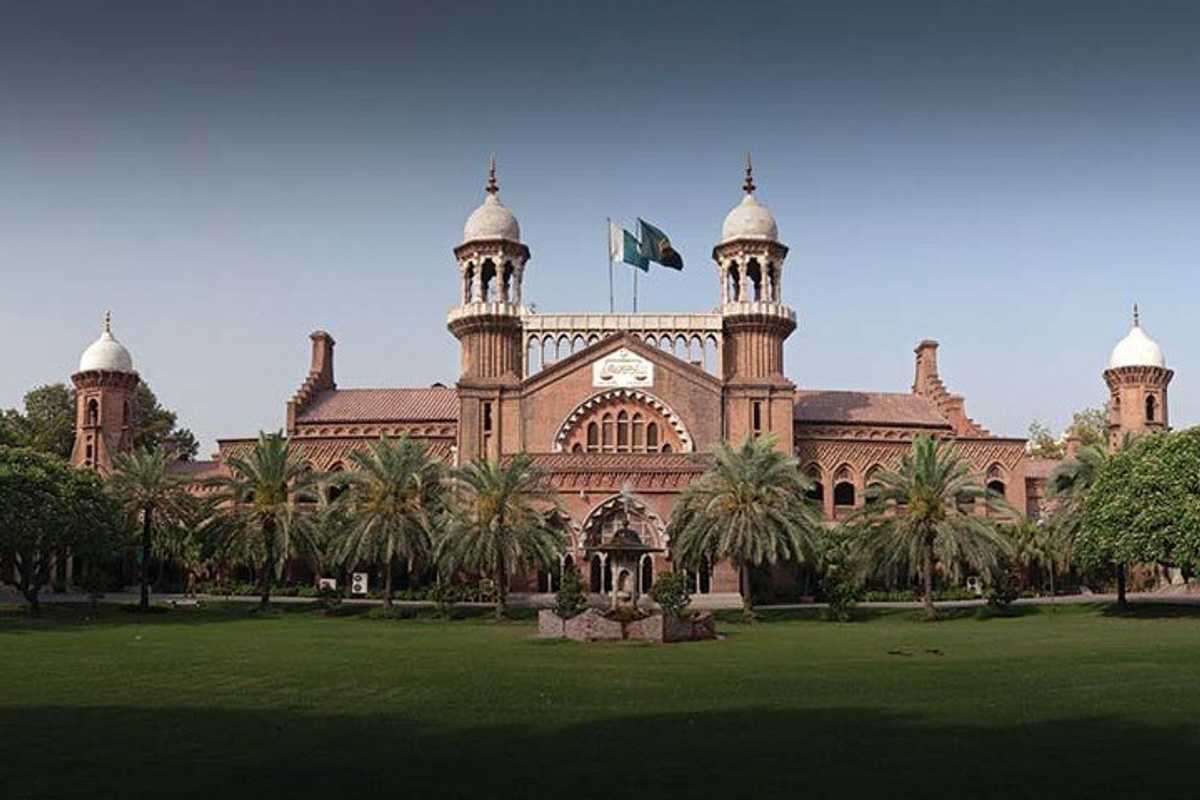
Pakistan’s Lahore High Court on Tuesday continued hearing petitions challenging the Punjab Defamation Act 2024, with lawyer Rida Hosain arguing that key provisions of the law disproportionately favor public officeholders and weaken democratic accountability.
During the proceedings, Hosain objected to clauses allowing constitutional officeholders to initiate defamation proceedings against citizens, saying such measures invert established legal principles. She told the court that internationally, a higher threshold is applied when public officials pursue defamation claims, given their access to state resources and wider communication platforms to counter allegations.
“Any law that limits a person’s or a journalist’s ability to hold those in power accountable or question them goes against the principles of democracy,” she said.
In support of her argument, Hosain cited a defamation lawsuit filed by U.S. President Donald Trump against The Wall Street Journal, which was dismissed after the court found no evidence of “actual malice.” She urged the court to adopt a similar standard in Pakistan, requiring public officials to meet a higher burden of proof in such cases.
The petitions have been filed by journalists, media organizations and civil society groups since the law’s enactment in June 2024. Critics say the legislation imposes excessive restrictions on freedom of expression and could be used to suppress dissent.
At an earlier hearing on April 1, Justice Anwaar Hussain sought responses from the attorney general for Pakistan and the Punjab government. During those proceedings, lawyer Faisal Siddiqi argued that the provincial legislature lacks jurisdiction over defamation, saying the subject falls within the federal domain.
Separately, counsel Asad Jamal, representing journalists Mansoor Ali Khan and Benazir Shah, referred to a social media post by Punjab Senior Minister Marriyum Aurangzeb warning of legal action under the law against individuals allegedly spreading “fake news.” He argued that such instances show the potential for the law to be used to deter criticism.
The court directed the provincial government to submit records of parliamentary debates held before the law’s passage and adjourned further proceedings.
The legal challenge dates back to July 2024, when initial petitions questioned the constitutional validity of the law. Petitioners argue that the legislation regulates speech and digital communication – areas they say fall outside provincial competence – and imposes punitive measures that violate fundamental rights, including freedom of expression, due process and equality.
They have also raised concerns about the law’s potential trans-provincial impact, particularly on journalists and digital content creators operating across jurisdictions.
The Human Rights Commission of Pakistan has previously described the law as a “threat to freedom of speech and the press in Punjab.”
The court is expected to resume hearings next week, with the outcome likely to have significant implications for media freedom and the scope of provincial legislative authority in Pakistan.



Comments
See what people are discussing