

Pakistan debt servicing falls 23% as lower interest rates ease fiscal pressure
Domestic debt servicing cost has fallen 23% year-on-year to PKR 4.95 trillion in nine months of FY26

Haris Zamir
Business Editor
Experience of almost 33 years where started the journey of financial journalism from Business Recorder in 1992. From 2006 onwards attached with Television Media worked at Sun Tv, Dawn Tv, Geo Tv and Dunya Tv. During the period also worked as a stringer for Bloomberg for seven years and Dow Jones for five years. Also wrote articles for several highly acclaimed periodicals like the Newsline, Pakistan Gulf Economist and Money Matters (The News publications)
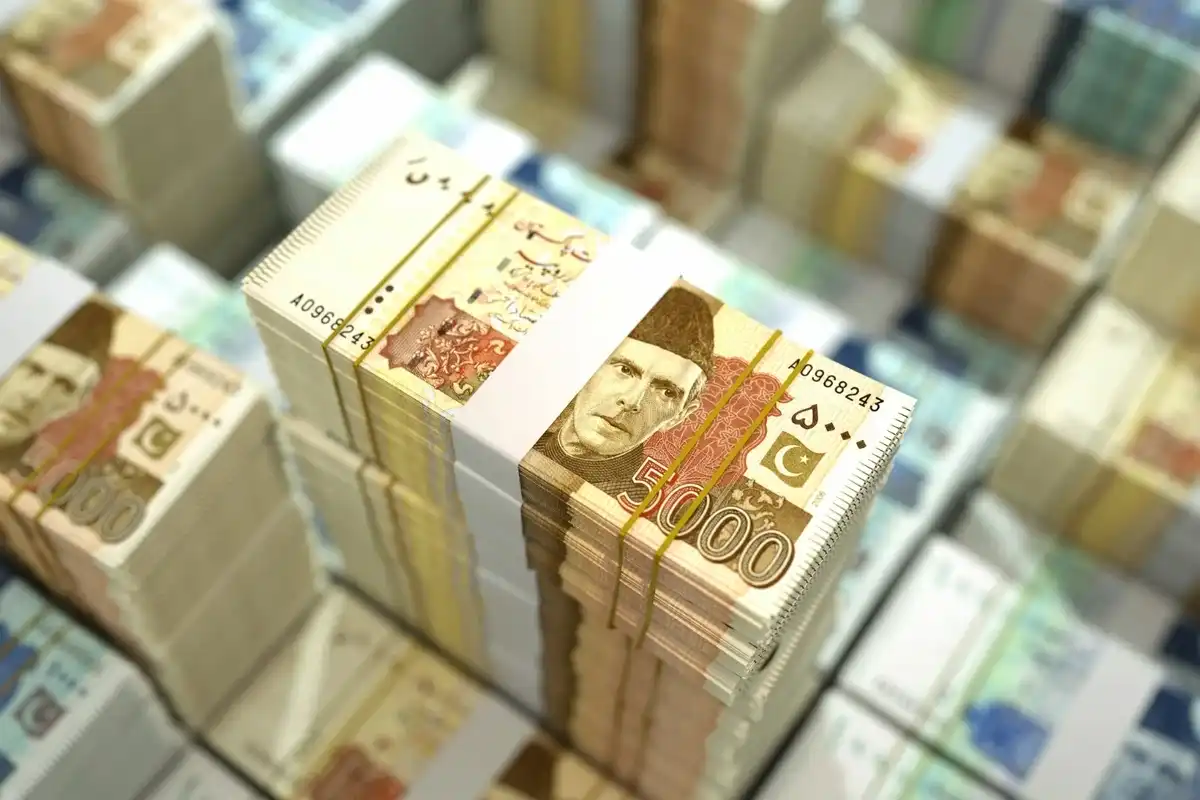
Pakistan’s debt servicing costs fell sharply during the first nine months of the current fiscal year as lower interest rates reduced borrowing costs, narrowed the fiscal deficit, and supported the country’s IMF-backed fiscal targets.
Finance Ministry data showed the government paid PKR 4.95 trillion in interest and debt servicing during July-March, down 23% from PKR 6.44 trillion in the same period last year.
Why did Pakistan’s debt servicing costs fall?
Pakistan’s debt servicing costs declined because interest rates fell sharply during the fiscal year. Lower borrowing costs reduced interest payments on government debt and improved Pakistan’s fiscal position.
Average interest rates fell to around 10.8% during July-March of the current fiscal year, compared with 14.6% in the same period last year, according to analyst estimates shared with Nukta.
Economists said the easing monetary cycle became a major driver of fiscal improvement after years of record-high borrowing costs.
“The decline in policy rates has worked as a fiscal relief package for the government,” an Islamabad-based economist said.
“Pakistan’s budget arithmetic changes dramatically when interest rates come down because debt servicing consumes the largest share of federal expenditure,” the economist added.
Finance Ministry data showed the fiscal deficit narrowed to PKR 856 billion, or 0.7% of GDP, during the first nine months of the fiscal year. During the same period last year, the fiscal deficit stood at PKR 2.97 trillion, or 2.6% of GDP.
The government also recorded a stronger primary surplus during the period.
Primary balance reached PKR 4,091 billion, or 3.2% of GDP, compared with PKR 3,468 billion, or 3% of GDP, a year earlier.
How did high interest rates increase Pakistan’s debt burden?
Pakistan’s debt servicing burden surged during the last three fiscal years as the State Bank of Pakistan sharply increased policy rates to control inflation and stabilize the rupee.
During the fiscal year 2021-22, debt servicing payments stood at PKR 2.12 trillion. The average policy rate during that period was 9.5%.
Debt servicing climbed to PKR 3.58 trillion in the same period of fiscal year 2022-23 as average policy rates rose to 17.3%.
Payments increased further to PKR 5.52 trillion during July-March of fiscal year 2023-24 when average policy rates peaked at 21.9%.
Since 2024, the State Bank has gradually reduced the interest rate to 11.5% till April 2026. Analysts said lower interest rates are now reversing some of that pressure.
They added that reduced borrowing costs helped Pakistan meet IMF-linked fiscal consolidation targets by lowering interest expenditures and improving the primary balance.
How is debt reprofiling helping Pakistan manage repayments?
Analysts said the government also reduced pressure by shifting short-term domestic borrowing into longer-tenure debt instruments.
The strategy lowered immediate repayment risks and improved management of public debt maturities.
“The reprofiling strategy has helped the government reduce rollover risks and manage cash flows more effectively,” a Karachi-based financial analyst said.
“Combined with lower rates, it has substantially reduced markup payments,” the analyst added.
The central bank, in its latest “State of the Economy” half-year report, said fiscal consolidation continued during the first half of the fiscal year.
It said Pakistan recorded a fiscal surplus during the first half for the first time since the first half of fiscal year 2020-21.
According to the report, lower interest payments more than offset declines in total revenues as a percentage of GDP.
The report added that falling interest rates and debt reprofiling created fiscal space for higher non-interest spending, including development projects, subsidies, and grants.
Higher provincial surpluses also contributed to the improved fiscal balance, the central bank said.
Can Pakistan sustain the improvement in debt servicing?
Economists said lower debt servicing costs could give the government more room for development spending and social protection programs.
However, they warned that fiscal discipline and structural reforms remain necessary.
“Pakistan has received temporary breathing space from lower rates, but structural reforms remain essential,” another analyst said.
“The country still faces high debt levels, weak tax collection and external financing vulnerabilities,” the analyst added.
Analysts said maintaining macroeconomic stability, broadening the tax base, and continuing energy sector reforms will remain critical for sustaining recent fiscal gains.





Comments
See what people are discussing