

Pakistan hopes Hormuz agreement will revive Iran-US talks
Pakistan says it hopes the Hormuz agreement will pave the way for resuming Iran-US talks, foreign office spokesman Andrabi says
Aamir Abbasi
Editor, Islamabad
Aamir; a journalist with 15 years of experience, working in Newspaper, TV and Digital Media. Worked in Field, covered Big Legal Constitutional and Political Events in Pakistan since 2009 with Pakistan’s Top Media Organizations. Graduate of Quaid I Azam University Islamabad.
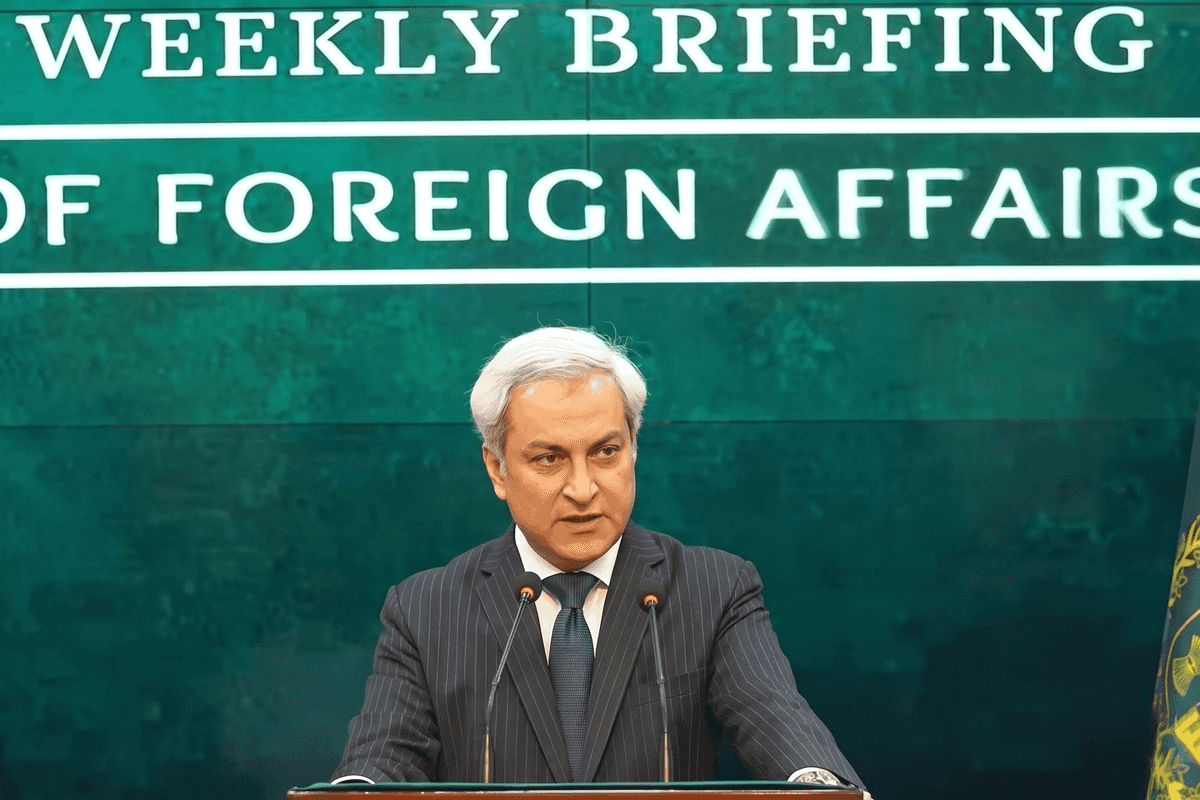
Pakistan hopes an agreement over the Strait of Hormuz will lead to the United States and Iran resuming talks under a memorandum of understanding Islamabad helped mediate, the foreign office said Thursday.
Foreign ministry spokesman Tahir Andrabi made the comments to reporters in Islamabad.
What did Pakistan say about the Hormuz agreement and Iran-US talks?
Andrabi said Pakistan hopes the Strait agreement will pave the way for continuing dialogue, particularly the resumption of technical level talks between Iran and the United States.
He said Islamabad is playing an active role in efforts to ease tensions between Washington and Tehran. He also welcomed Oman's diplomatic engagement in the process.
What else did Pakistan say about regional diplomacy?
Pakistan reaffirmed its commitment to regional diplomacy, saying it continues to engage on issues ranging from Afghanistan and the Middle East to counterterrorism and the Kashmir dispute.
Andrabi said Pakistan supports initiatives aimed at reducing tensions in the Gulf. He added that any future agreement should help address broader outstanding issues, including concerns over possible restrictions.
The Foreign Office also announced that Prime Minister Shehbaz Sharif left for Saudi Arabia on a three-day visit from August 6 to August 8.
The trip underscores Pakistan's continued diplomatic engagement with key regional partners.
What did Pakistan say about Afghanistan and cross-border militancy?
Andrabi said Pakistan had taken note of reports of clashes between Taliban forces and opposition groups in Badakhshan and other parts of Afghanistan.
He said militant groups operating from Afghan territory continue to pose a threat to regional security. He alleged that some of these groups, including the Balochistan Liberation Army, receive financial support from India.
What did Pakistan say about the US, Gaza and Somalia?
On relations with Washington, Andrabi said counterterrorism cooperation between Pakistan and the United States remains ongoing, with intelligence sharing continuing at a satisfactory level. Asked about Pakistan's defence exports, he said they form part of the country's overall exports and generate tax revenue and other financial benefits through private-sector manufacturers.
On Gaza, Andrabi said Israel's obligations under international law must be closely monitored, though he described discussion of any future peacekeeping deployment as premature. On Pakistani hostages held in Somalia, he said the government regretted their release had not yet been secured but remained committed to bringing them home.
What did Pakistan say about Bangladesh and Kashmir?
Andrabi said diplomatic relations between Islamabad and Dhaka continue as normal. He expressed confidence that the Bangladeshi people are capable of resolving their internal affairs without external interference.
Responding to a statement by India's Ministry of External Affairs marking what New Delhi observed as Kashmir Exploitation Day, Andrabi rejected India's position. He said Indian-administered Jammu and Kashmir remains under heavy military deployment and restrictive laws, and accused India of attempting to alter the region's demographic composition. He said such measures cannot undermine the Kashmiri people's right to self-determination or what Pakistan regards as their internationally recognised right to a plebiscite.



Comments
See what people are discussing